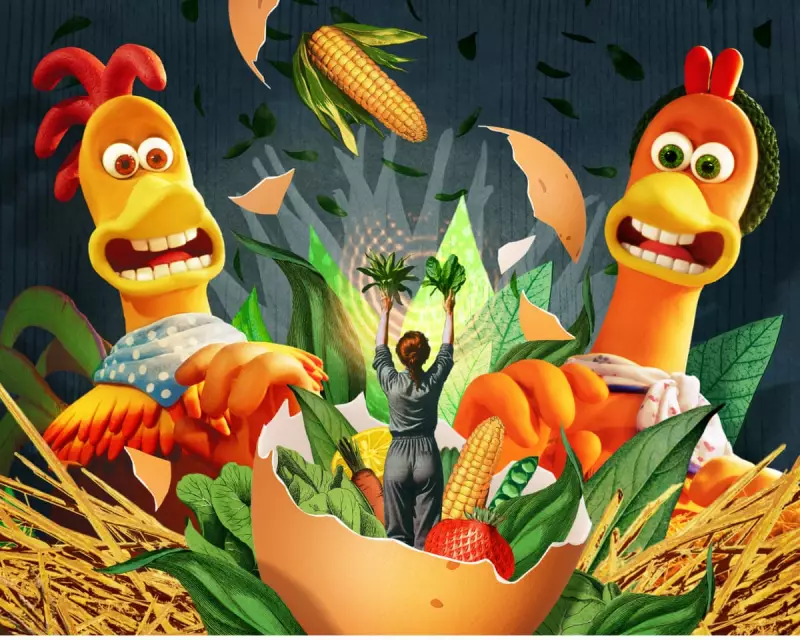
In an unexpected cultural phenomenon, the beloved animated film Chicken Run has been credited with turning an entire generation of viewers towards vegetarianism. The 2000 stop-motion masterpiece from Aardman Animations, while entertaining families with its charming chicken escape plot, simultaneously delivered a powerful message about animal welfare that resonated deeply with audiences.
The Plot That Changed Perspectives
Chicken Run follows the story of Ginger, Rocky, and their feathered friends as they attempt a daring escape from Mrs. Tweedy's farm. The film's narrative cleverly exposes the grim reality of factory farming, with the chickens facing the terrifying prospect of being turned into chicken pies if their escape plans fail. What begins as a lighthearted adventure gradually reveals itself as a poignant commentary on animal treatment.
The film's director, Peter Lord, and producer, David Sproxton, created more than just entertainment - they crafted a story that made viewers emotionally invest in characters who were traditionally seen merely as food. The chickens' personalities, dreams, and fears were portrayed with such depth that audiences began seeing them as individuals rather than products.

From Screen to Lifestyle Change
Many viewers reported experiencing what they describe as a 'cultural awakening' after watching the film. The emotional connection formed with the animated characters created a cognitive dissonance when faced with real-world food choices. People who had never previously questioned their meat consumption found themselves reconsidering their dietary habits after witnessing the chickens' fight for survival and freedom.
The film's timing proved particularly significant, arriving at the turn of the millennium when conversations about ethical consumption were gaining mainstream attention. Chicken Run provided a accessible entry point into these discussions, using humour and heart rather than graphic imagery to make its point. This approach proved remarkably effective, especially with younger audiences who formed strong attachments to the characters.
Lasting Cultural Impact
Two decades after its release, Chicken Run's influence continues to be felt. The film has become a cultural touchpoint in discussions about vegetarianism and animal rights. Many adults who saw the film as children credit it with starting them on their journey toward meat-free living. The movie demonstrated that animation could be a powerful vehicle for social change, tackling serious issues while maintaining broad appeal.
The success of Chicken Run also highlighted Aardman Animation's unique ability to address complex themes through stop-motion storytelling. The studio's signature style, combining British humour with heartfelt narratives, created an emotional resonance that live-action treatments of similar subjects often struggle to achieve.
As conversations around sustainable living and ethical consumption continue to evolve, Chicken Run remains a significant milestone in popular culture's relationship with food ethics. The film proves that entertainment can be both delightful and transformative, changing not just how we spend our Saturday afternoons, but how we think about our place in the food chain.