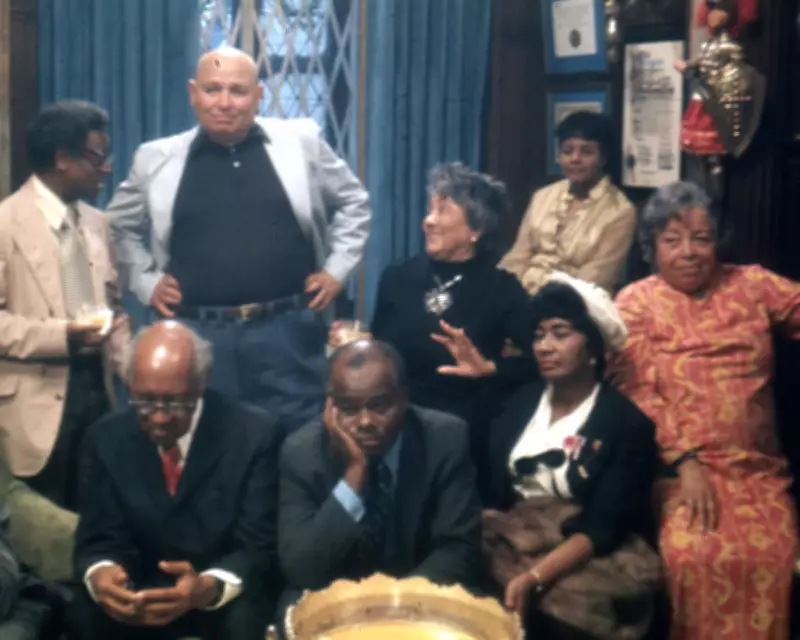
In August 1972, a historic gathering took place at Duke Ellington's townhouse in Harlem, orchestrated by the experimental film-maker William Greaves. This once-in-a-lifetime dinner party brought together surviving luminaries of the Harlem Renaissance, the influential African American cultural movement of the 1920s. Guests included musicians, artists, writers, historians, and political leaders, all in their later years, engaging in four hours of free-flowing conversation over wine.
A Cinematic Treasure Rediscovered
Greaves, known for his innovative documentary Symbiopsychotaxiplasm: Take One, considered this footage the most important he ever recorded. Originally shot for his 1974 film From These Roots but unused, he intended to shape it into a Harlem Renaissance retrospective. However, illness prevented its completion before his death in 2014 at age 87. The project then passed to his widow Louise, who continued the work until her death in 2023 at age 90.
An Intergenerational Legacy
Now, Greaves's son David, who served as one of four cameramen at the party, has directed Once Upon a Time in Harlem, with his daughter Liani Greaves as producer. Supported by grants and community funding, they have transformed the raw footage into a 100-minute film that premiered at the Sundance film festival. The Greaves family smartly stays out of the way, adding only nametags and archival photographs as footnotes to the discussions.

Capturing a Cultural Moment
The film follows the arc of the party, from tentative greetings to impassioned debates. Topics ranged from vivid recollections to ongoing struggles, including discussions on whether to use the term "negro" or convert to "Afro-American." The relaxed atmosphere fostered hard-won camaraderie, with occasional prompts from William Greaves to shy guests, such as on the revolutionary nature of jazz music.
Luminaries and Their Stories
Among the notable participants were musicians Eubie Blake and Noble Sissle, whose 1921 musical Shuffle Along was one of the first all-Black Broadway shows. Historians like Nathan Huggins and John Henrik Clarke, poets Arna Bontemps and Frank Horne, and photographer James Van Der Zee shared personal histories and inside jokes. They spoke of departed figures like Marcus Garvey and Langston Hughes, with some, like the 96-year-old actor Leigh Whipper, having parents who were enslaved.
Reflections on Legacy
The documentary captures real-time grappling with the Harlem Renaissance's meaning. Gerri Major described it as the first time Black people were recognized as creative individuals, while Arna Bontemps called it a "prism" of the Black experience. George Schuyler viewed it not as a renaissance but an "awakening." Discussions often circled back to whether the cultural flourishing died out or carried forward into the present.
A Timeless Flame
Nathan Huggins argued that the Harlem Renaissance lives on in everyone. Fifty years later, with all party guests now deceased, Once Upon a Time in Harlem keeps that flame alight. This film is not just a historical document but a vibrant, inspiring hang-out movie that bridges past and present, offering a unique glimpse into a pivotal era of American culture.