A quiet revolution is unfolding across Hollywood's red carpets, led by a new generation of stars who are boldly challenging decades of entertainment industry tradition. From London premieres to international film festivals, young actors are reclaiming their autonomy in ways that would have been unthinkable for previous generations of celebrities.
The 'You Smile' Moment That Started a Movement
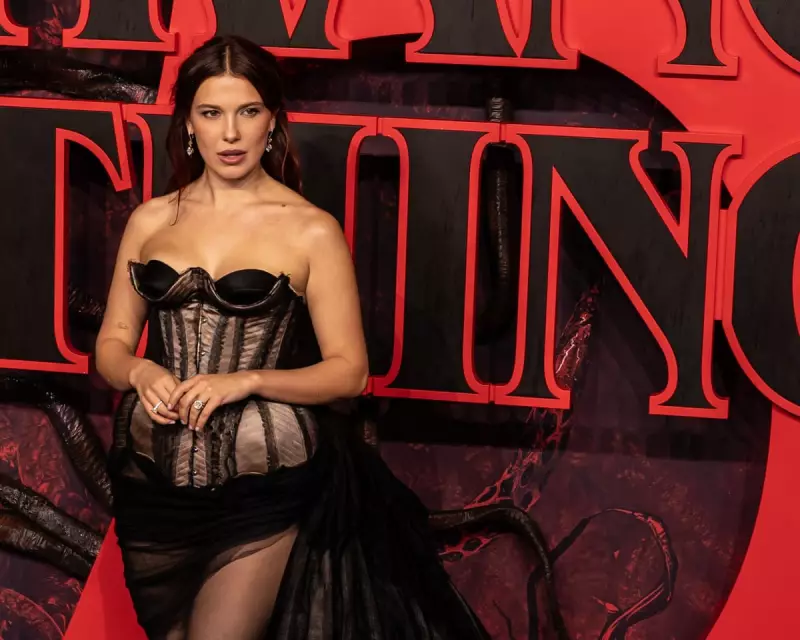
The shift became unmistakably clear during the Stranger Things season five premiere in Leicester Square, London on 13 November 2025. Millie Bobby Brown, one of Britain's most prominent young actors, found herself being instructed by photographers to smile for their cameras. Her response was both simple and revolutionary: "Smile? YOU smile." With those words, she turned and walked away, refusing to perform on command.
This wasn't an isolated incident. Around the same time, Sydney Chandler, star of the television series Alien: Earth, made headlines for declining to participate in Variety magazine's video interview series How Well Do They Know Each Other? Her absence from the cover alongside the show's creator and co-star spoke volumes about her boundaries. Chandler later explained to Entertainment Weekly: "I'm figuring out how much of my personal self I need to give, I want to give."

A Generational Divide in Celebrity Culture
The contrast between Hollywood's established stars and its newest generation became particularly evident at last year's Venice Film Festival. A viral clip captured Jenna Ortega, then 23, intervening when photographers demanded her 54-year-old Beetlejuice Beetlejuice co-star Winona Ryder remove her sunglasses. "No, you don't have to," Ortega firmly told Ryder, demonstrating how younger celebrities are not only setting their own boundaries but protecting their colleagues too.
This represents a significant departure from the traditional celebrity-photographer relationship, which has deep roots in Hollywood history. For decades, celebrity agents frequently collaborated with photographers and editors to stage photo opportunities that would generate publicity. Whether revealing a pregnancy, showcasing a new look, or launching a relationship publicly, these orchestrated moments were considered essential PR tools.
Changing Media Landscape Empowers Stars
The entertainment industry's infrastructure is undergoing a fundamental transformation that supports this new assertiveness. Print publications no longer hold the same influence they once commanded, with stars now able to communicate directly with fans through podcasts and social media platforms where they maintain complete control over their narrative.
This shift becomes particularly understandable when considering the recent history of celebrity media. As showbiz journalist Dean Piper acknowledged in the documentary series Girlbands Forever: "We were always looking for negative stories. Because misery sold." This era included invasive practices like upskirting and the controversial celebrity blogger Perez Hilton, who gained notoriety for drawing penises on photographs of celebrities.
The actor and singer Hilary Duff recently discussed this period with podcast host Jake Shane, who reacted with genuine disbelief at what previous generations of stars endured. His incredulous "What?!" when learning about these practices highlights how dramatically tabloid behaviour has changed between generations.
The Rise of the 'No, You Don't Have To' Era
This cultural shift extends beyond red carpet interactions to influence creative expression. Pop star Jade addresses her experiences in the public eye on her new album That's Showbiz Baby!, particularly on the song IT Girl where she reclaims Simon Cowell's famous X Factor rejection line: "It's a no from me."
For those who have experienced the darker side of celebrity culture firsthand, this new era feels particularly significant. As one industry insider revealed: "I've been on the other side of the camera when an emotionally insensitive photographer treats you like an object, leaving you feeling completely disassociated and heading to the bathroom to cry afterwards. You didn't feel you had the power to say no because you were just a small part of a larger machine."

The paparazzi experience itself can be overwhelming, with one witness describing walking alongside a celebrity during a photo frenzy as resembling "standing beside the most intense strobe light in a nightclub." The instinct is to freeze, but the requirement is to keep moving forward—an experience often compared to being hunted.
What began as isolated instances of pushback has evolved into a broader movement that industry observers are calling the "no, you don't have to" era. For the first time, a generation of stars is collectively redefining the rules of engagement with media and photographers, prioritising their mental health and personal boundaries over traditional expectations. The revolution may be quiet, but its impact is resonating throughout Hollywood and beyond.