Emerald Fennell's Bold Reimagining of Wuthering Heights Divides Audiences
Every generation receives the Wuthering Heights adaptation it truly deserves. Director Emerald Fennell has crafted a version specifically designed for the perpetually online era, sparking intense debate among critics and audiences alike. Her controversial film has become one of the year's most discussed cinematic releases, drawing packed cinema crowds despite significant backlash from literary purists.
A Personal Interpretation of a Literary Classic
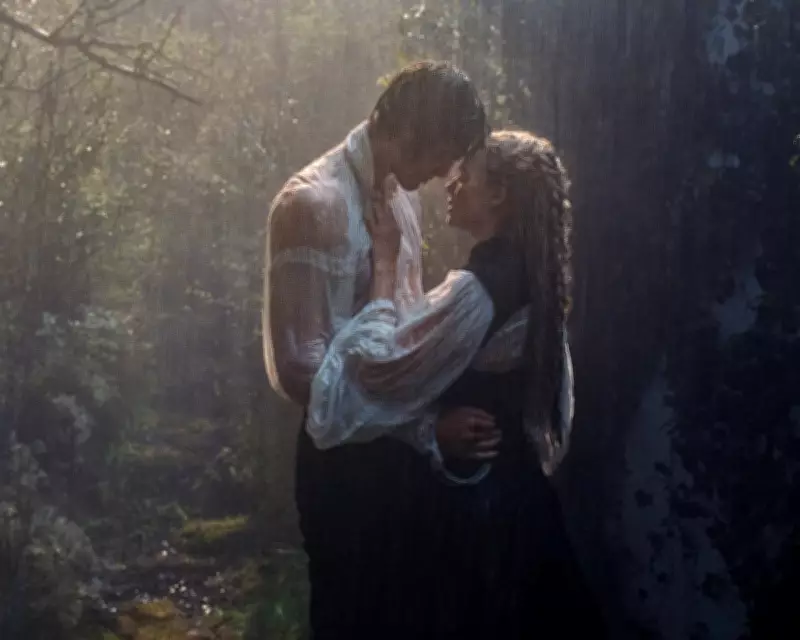
Fennell approaches Emily Brontë's 1847 novel as a deeply personal project, shaped by her teenage obsession with the book. She has openly discussed being "driven mad" by the story's intensity and wanting to highlight what she perceives as its "primal, sexual" undercurrents. The director deliberately places quotation marks around the title, signaling her interpretive approach rather than a faithful reproduction of the original text.
The casting choices have generated particular controversy. Australian stars Margot Robbie and Jacob Elordi portray Cathy and Heathcliff, drawing criticism for both their ages and ethnic backgrounds that diverge from Brontë's original descriptions. Heathcliff, described in the novel as a "dark-skinned gipsy" who faces racial and social exclusion, becomes a different character in Fennell's vision.

Designed for Digital Consumption
Fennell's adaptation operates within contemporary digital culture's parameters, where attention spans are short and shocking content spreads rapidly across social media platforms. The film includes numerous sexually explicit scenes clearly designed to be clipped, shared, and debated online. From suggestive food imagery to overt BDSM references, this version prioritizes provocation over subtlety.
The casting strategy follows this digital-first logic perfectly. Robbie brings her Barbie star power, while Elordi arrives as an internet-favorite heartthrob. Combined with a soundtrack by Gen Z icon Charli XCX, the production consciously targets younger audiences accustomed to consuming content through platforms like TikTok and Instagram.
Commercial Success Despite Critical Backlash
Despite significant criticism from literary traditionalists who believe Brontë would be "spinning in her grave," the film has achieved notable commercial success. During its opening weekend, Fennell's Wuthering Heights recouped its substantial $80 million production budget, demonstrating strong audience interest. Cinema screenings have drawn packed houses with audible reactions ranging from squeals and gasps to emotional tears.
The controversy has generated an unexpected positive outcome: renewed interest in Brontë's original novel. UK book sales have increased by an astonishing 469% over the past year, suggesting that even those who dislike the adaptation are returning to the source material. This represents a rare point of agreement between the film's supporters and detractors.
Historical Context of Literary Adaptations
Fennell's approach follows a long tradition of reinterpreting classic literature through contemporary lenses. From Clueless transforming Jane Austen's Emma into 1990s Beverly Hills to Bridgerton reimagining Regency romance with modern sensibilities, each generation creates adaptations reflecting its cultural moment. While Fennell's version emphasizes sexual tension and digital-age aesthetics, it continues this established pattern of creative reinterpretation.
For those who prefer more traditional approaches, numerous alternative adaptations remain available. The 1939 version starring Merle Oberon and Laurence Olivier, the 1992 film featuring Juliette Binoche and Ralph Fiennes, and Andrea Arnold's acclaimed 2011 interpretation all offer different perspectives on Brontë's enduring story of passion, revenge, and social division.
Ultimately, Fennell's Wuthering Heights serves as a cultural mirror reflecting contemporary digital consumption habits, celebrity culture, and evolving attitudes toward classic literature. Whether celebrated as innovative or criticized as reductive, the film has undeniably sparked important conversations about adaptation, authorship, and how we engage with literary heritage in the twenty-first century.