The Fallout season 2 finale represents an ambitious and masterful piece of television storytelling that brutally reinforces a central theme: in a world ravaged by nuclear Armageddon, the true monsters often wear human faces and hide behind benevolent smiles. This climactic episode shatters illusions, forges new alliances, and sets the stage for an explosive third season while delivering profound commentary on morality, betrayal, and survival.
The Shattering of Idealism
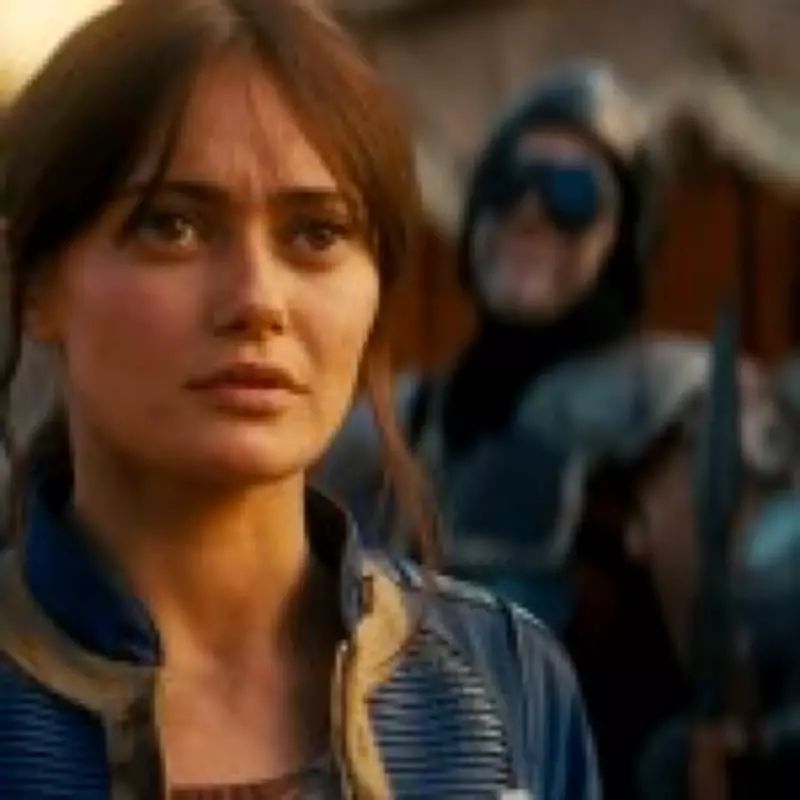
Maintaining idealism in a post-apocalyptic wasteland proves nearly impossible, as betrayal becomes essential for survival, trust transforms into a potential death sentence, and murder becomes as routine as basic hygiene. Empathy appears eradicated alongside civilization itself, yet Lucy, portrayed brilliantly by Ella Purnell, clings to a faint hope that her relentless optimism might somehow iron out the injustices of this brutal landscape. Despite her drug-fuelled moments of violence, including shooting Elvis-impersonator ghouls and throwing Cooper from a window after his betrayal, Lucy represents the last bastion of hopeful naivety.
That naivety meets its ultimate annihilation through one irreversible act in the finale. After handcuffing her father Hank to a retro-futuristic replica of their vault kitchen, Lucy performs what might be described as a violent act of kindness: destroying the dismembered, still-moaning head of Congresswoman Diane Welch to shut down Vault-Tec's mainframe. This moment marks a profound turning point for the character, demonstrating how far she has travelled from the sheltered vault dweller we first met.

The Ultimate Betrayal
Hank's retaliation proves even more devastating than expected. Confronted with his daughter's rebellion, he attempts to implant a micro-version of the brainwashing chip he modified specifically to wipe Lucy's memories and force her into obedience. With a simple switch flip, he could revert his daughter back to the sweet, sheltered girl she once was in the vault, effectively erasing her hard-won survival instincts and autonomy.
Thankfully, Cooper arrives not a moment too soon to save Lucy from this fate worse than death, setting the stage for one of many long-awaited reunions that help tie together the season's expanding narrative threads. This rescue forces Lucy to confront the impossible decision that has loomed over her since the season one finale: should she kill her father, or transform him into one of his own experiments?
Character Transformations and Revelations
The wide-eyed, innocent girl from the vault has vanished completely, replaced by a hardened realist who finally accepts that the father she searched for across the entire wasteland never truly existed. Hank's betrayal shatters any remaining hope of returning to vault life, which proves fortunate since only carnage remains there as well. The father-daughter dynamic has evolved dramatically from their sickly-sweet synergy in the vault to confronting the harsh reality of that rose-tinted time.
There's a heart-wrenching finality to their relationship as Lucy implants a microchip into Hank's head, intending to transform him into "the father she thought he was." Ironically, Hank's final act in his own mind seals his fate as a subdued servant when he presses a small red button to sacrifice himself, setting the final part of his plan in motion. Conveniently, one of the few people who knew what phase two entailed has now had his memory completely wiped.
Parallel Journeys and Shared Regrets
The narrative flits between past and present to reveal that Cooper, during his rootin'-tootin' cowboy actor era, similarly placed his trust in the wrong man. Back when he shared Lucy's futile hope that one good act could save the world, Cooper handed over cold fusion technology to the President in an attempt to prevent the nuclear bombs from being dropped. This fatal error—giving a world-ending device to the head of the Enclave, the secret organization controlling Vault-Tec—only sealed humanity's tragic fate, including Cooper's separation from his family and the jeopardization of their vault sanctuary.

Robert House, the moustached visionary with predictive abilities, commends Cooper for his heroism while gloating about his misplaced trust. Even two centuries later, House's trustworthiness remains questionable, though he continues to ooze the slightly-too-charming tone that made Justin Theroux's performance a standout this season. Jaded with regret, Cooper's only hope for redemption lies in reuniting with his family, yet this proves another case of misplaced optimism when he discovers their cryochambers empty, with only a Colorado postcard left behind.
Setting the Stage for Season Three
The finale delivers numerous revelations that establish clear purposes for next season's journey. Mirrored to Lucy's evolution, Maximus has grappled with his own moral code, rebelling against the iron-suited Brotherhood of Steel to align with Lucy and, by association, Cooper. His pursuit of goodness in a hostile, broken world proves difficult, yet Maximus remains willing to die to live up to his father's childhood reassurance that he would become "a good man."
Faced with a line of frothing deathclaws, Maximus valiantly defends New Vegas residents until the New California Republic arrives to finish the job. Finding allies to build communities against the wasteland's growing monstrosities emerges as another crucial theme throughout the season, one that saves multiple lives on several occasions. Hostility spreads even among supposed allies, as demonstrated by the Legion's bloodthirsty battle for the title of Caesar, which Lacerate finally claims after consuming the evidence of Caesar's final words that the Legion would die with him.
Ambitious Narrative Weaving
The Fallout finale represents an ambitious attempt to tie together expansive plotlines, from Norm's bloodthirsty "vaulties" awakening from a two-century slumber only to be savaged by roaches, to the cut-throat Canadian Steph hunkering down in the overseer's office as angry residents demand "death to management." Yet the pre-planned phases continue falling into motion—with or without Hank's mind to orchestrate them—as Steph radios for immediate implementation of phase two. Throughout this chaos, the true overseer continues listening, watching, and waiting.
Final Verdict and Lasting Impact
The Fallout season 2 finale proves as ambitious as the entire second season, covering more conflicts, incorporating lore from beloved games (particularly Fallout: New Vegas), and maintaining the distinctive "okey-dokey" charm that audiences have come to adore. This action-packed conclusion fractures or encourages all the momentum our heroes have gathered this season, pointing them in new directions while establishing clear pathways for the already-confirmed third season.
Some narrative choppiness affects the final act's pacing as stakes escalate without fully explaining the next imminent threat. War looms in New Vegas between the NCR and the Legion, thanks to Lucy's refusal to allow her father to make peace through robotic enhancements. This conflict presents another test of morality and identity as Lucy begins questioning whether her father's cruelty might actually have prevented greater bloodshed.
Maximus and Lucy's heartfelt reunion brings together two of the series' most earnest characters, both continuing to fight for a better world despite overwhelming odds. Ultimately, Fallout makes brutally clear that the real monsters aren't deathclaws or ghouls, but their creators: the supposedly "good" men who hide behind smiles and suits while making decisions that massacre, murder, or control millions.
Men in trusted positions of power—whether the President or mild-mannered cogs in the Vault-Tec machine like Hank—consistently prove underestimated. They hide behind illusions of moral superiority to manipulate everyone around them, bending others to their insidious agendas. Our heroes—Maximus, Cooper, and Lucy—remain underdogs grappling to stay true to themselves as surface horrors threaten to corrode their remaining humanity. They kill, lie, and betray to survive, but always in pursuit of protecting themselves and others while attempting to reverse the corruption seeping into every wasteland corner.
Enough questions receive satisfying answers to conclude the season effectively, yet major promises of further exploration and discovery await on the horizon. With season three confirmed and narrative threads expertly woven, Fallout continues to deliver compelling television that challenges viewers' perceptions of morality, survival, and what truly makes someone monstrous in a world where the old rules no longer apply.