Drusilla Beyfus: A Pioneering Force in Journalism and Etiquette
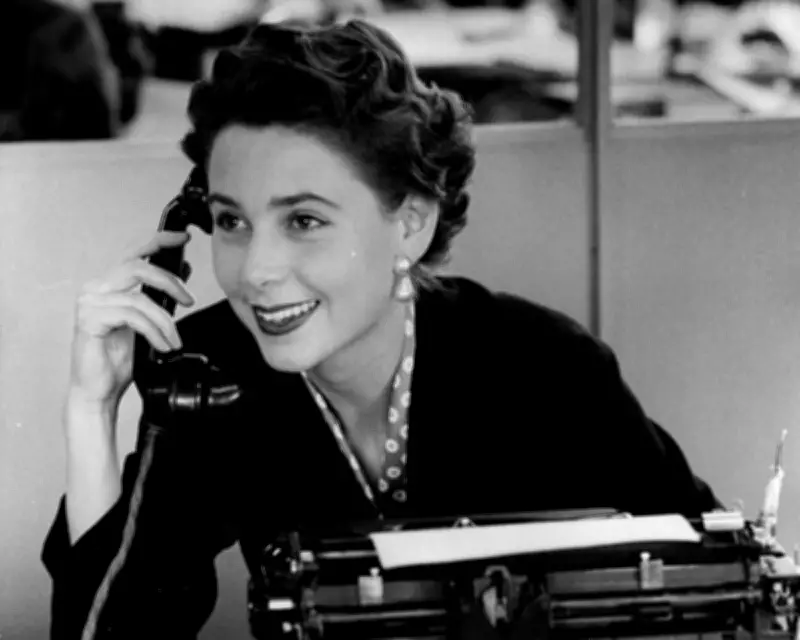
In the male-dominated world of 1940s Fleet Street, breaking into national newspapers by age 21 was a rare feat. For a woman to achieve this without connections or nepotism was nothing short of extraordinary. Drusilla Beyfus, who has died aged 98, accomplished exactly that, joining the Daily Express in 1948 with a fearless spirit that saw her charm her way onto an RAF plane during the Berlin airlift.
From Cub Reporter to National Columnist
Beyfus began her journalism career at just 17 with the Reading Mercury, where she single-handedly wrote the women's page. Her move to the Daily Express marked the start of a remarkable trajectory that saw her rise to women's editor by 1956. She worked alongside star columnist Anne Edwards, recruited by owner Lord Beaverbrook to attract female readers during a time when advertisers spent six times more on women-targeted ads.
Her photogenic appearance caught Beaverbrook's eye, and she became known for her bold lifestyle choices, including sharing a flat with the Express's film critic Derek Monsey in Shepherd Market's louche atmosphere—a progressive arrangement far ahead of its time.

The Evolution of Modern Manners
Beyfus's most enduring legacy emerged from her observations of Britain's rapidly changing postwar society. From 1957 to 1996, she wrote and revised books on etiquette that evolved from prescriptive guides to historical documents charting social transformation.
Her 1992 book Modern Manners represented a significant shift in thinking. Beyfus developed the view that courtesy was less about rigid correctness—particularly after 1990 when traditional rule-makers faded—and more about consideration and putting others at ease. She advocated for truthfulness about sexual health and competence, reflecting a society becoming more class-mobile, experience-curious, and sexually liberated.
Personal Life and Professional Balance
Born in London to Norman Beyfus, a City wool broker, and former West End dancer Florence Barker, Drusilla experienced social upheaval when her father lost the family money in 1938. This forced a move from Belgravia to Henley-on-Thames and shaped her understanding of social mobility.
In 1956, she married Canadian Express journalist Milton Shulman, who pursued her with admiration for her beauty. Despite his bumptious personality, she remained determined to make the marriage work within contemporary conventions. When pregnant with her first child in 1957, Beyfus left her Daily Express position—as expected of married women at the time—but continued working through associate editorships at publications including Queen, Brides, and Daily Telegraph magazines.
Multifaceted Career and Lasting Influence
Beyfus maintained a prolific output across multiple platforms. She wrote regularly for the Observer, contributed columns to the Telegraph and Mail on Sunday, and appeared frequently on television as a groomed talking head known for her witty but kind commentary. From the 1960s through the 1990s, she became the accepted dowager of etiquette—a funnier, more approachable version of Emily Post.
Her fashion sense evolved with the times, moving from Dior's New Look and Givenchy's 1950s designs that suited her youth to contemporary elegant styles from designers like Issey Miyake and Jil Sander. For nearly 20 years from 1989, she taught rigorous fashion journalism at Central St Martins, which awarded her an honorary degree she valued deeply, feeling her own education had been deficient without university.
Family Legacy and Final Years
All three of her children entered media professions: Alexandra became editor of Vogue, Nicola a critic, and Jason a magazine art director turned photographer and painter. They survive her, along with the legacy of a woman who remained curious about new cultural modes throughout her life.
Beyfus's advice to journalists seeking quotes on etiquette consistently boiled down to essential principles: "be kind, be interested in and careful of others, including employees, and always apologise, in writing where the offence is great." These words encapsulate the philosophy of a journalist who witnessed and documented profound social change while helping navigate it with grace and consideration.