Dirty Business Review: A Blistering Indictment of Water Pollution Scandals
Channel 4's new drama-documentary Dirty Business, directed by Joseph Bullman, has arrived with the force of a tidal wave, channeling public outrage over the systemic pollution of English and Welsh waterways. Starring David Thewlis and Jason Watkins, this production draws direct inspiration from the real-life investigations of amateur sleuths who uncovered widespread sewage dumping, positioning itself as a potential catalyst for change akin to ITV's Mr Bates vs the Post Office.
The Unlikely Investigators: A Retired Cop and a Mathematics Professor
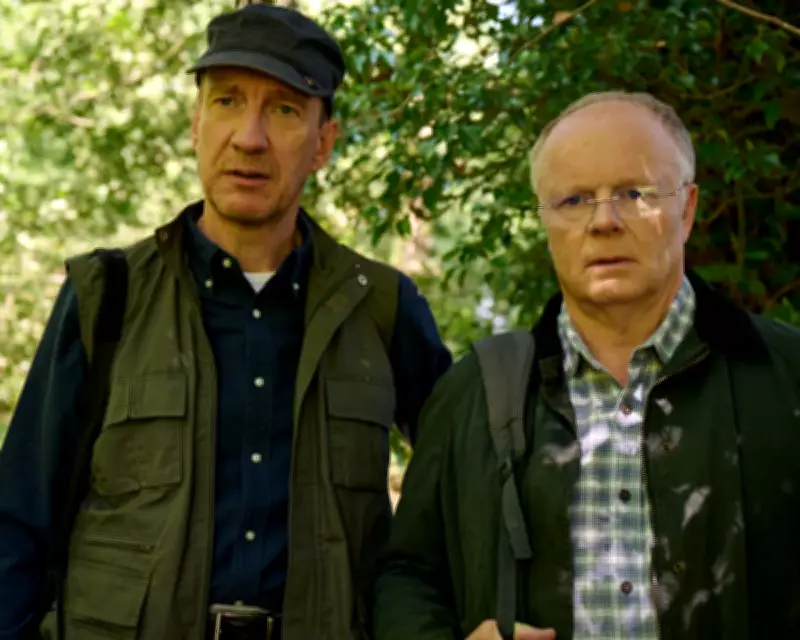
The narrative unfolds across multiple timelines, beginning in the Cotswolds in 2016. Ashley Smith (David Thewlis), a former police officer with experience investigating corruption, and Peter Hammond (Jason Watkins), an Oxford mathematics professor, notice disturbing discoloration in the River Windrush. Their casual curiosity transforms into a full-blown investigation when explanations from the privatized water company fail to satisfy.
Smith's instinct for detecting dishonesty combines with Hammond's algorithmic approach to data analysis, revealing a pattern of environmental neglect spanning three decades. The drama incorporates actual footage captured by campaigners, showing thousands of instances where untreated sewage has contaminated rivers and coastal waters across the nation.

A Parallel Tragedy: The Human Cost of Pollution
A second storyline beginning in 1999 follows the Preen family—Mark and Julie (Tom McKay and Posy Sterling)—whose seaside holiday in Devon turns tragic. Despite choosing a Blue Flag beach certified as clean, they encounter what appears to be effluent discharging directly onto the shore. Their eight-year-old daughter Heather steps in the contaminated water and subsequently dies from E. coli O157 poisoning.
Though the exact source of the outbreak remains officially unidentified, the coroner's recommendations included implementing tertiary sewage treatment and seasonal restrictions on beach access. This narrative thread balances the investigative elements with raw human tragedy, handled with devastating emotional precision.
Navigating Tonal Complexity: From Dark Comedy to Bureaucratic Absurdity
Bullman masterfully balances contrasting tones throughout the production. The 2016 investigation scenes feature witty banter between the charismatic Smith and the more reserved Hammond, providing moments of levity amidst the disturbing revelations. Meanwhile, the Preen family's story maintains an unflinching, horrific quality.
The drama employs comedy as a strategic weapon, particularly in its portrayal of corporate and regulatory evasion. Water company executives deliver supercilious statements directly to camera, while Environment Agency staff receive news of "operational self-monitoring"—a policy that shifted enforcement responsibility to the very companies being regulated—with appropriate disbelief.
Systemic Failures: Privatization, Regulation, and Political Complicity
Dirty Business opens with archival footage of Margaret Thatcher championing water privatization in 1989, establishing the historical context for current crises. The drama systematically exposes multiple systemic failures:
- Inadequate fines that fail to deter profitable rule-breaking
- The revolving door between regulatory agencies and private companies
- Exorbitant executive compensation in the water industry
- Political decisions that weakened environmental protections
The program highlights how policy changes initiated under Labour and accelerated during David Cameron's austerity-driven administration created conditions for environmental degradation. While the Environment Agency notes that operational self-monitoring is being discontinued, the drama tempers optimism with clips of current political figures whose statements suggest continued challenges ahead.

No Easy Victories: The Exhausting Reality of Citizen Activism
Unlike many underdog narratives that conclude with triumphant victories, Dirty Business acknowledges the ongoing nature of this struggle. Watkins' portrayal captures the psychological toll of battling better-resourced opponents, with his character nearly abandoning the fight due to exhaustion and frustration with bureaucratic stonewalling.
The drama concludes not with resolution but with a challenge to viewers: television has done its part in exposing the scandal, but meaningful change requires public engagement and political will. Dirty Business stands as both a compelling drama and a powerful call to action, leaving audiences with the sobering realization that the fight for clean water continues.