David Lynch's Distinctive Filmmaking Would Face Modern Digital Challenges
According to close collaborators, the late filmmaker David Lynch would encounter significant difficulties creating his unique cinematic works in today's social media-dominated landscape. The director, who passed away in January 2025 and would have celebrated his 80th birthday this week, developed a reputation for crafting complex, psychologically rich narratives that demanded sustained audience engagement.
The Digital World's Impact on Cinematic Storytelling
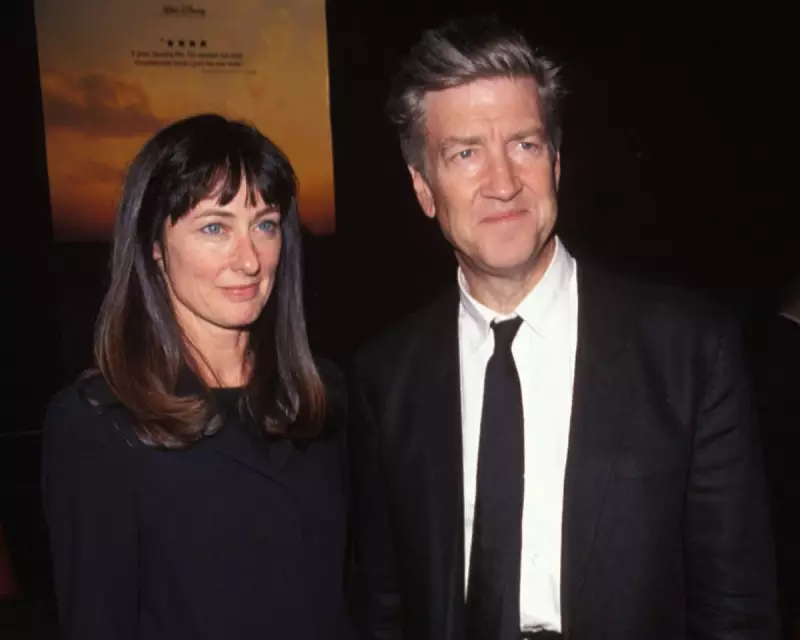
Mary Sweeney, who worked extensively with Lynch as an editor and was briefly married to the director, expressed concerns about how contemporary viewing habits might affect Lynch's distinctive approach. "He had his own logic and his own way of telling stories: it was very funny, very scary and deeply connective in terms of psychology and emotion with the audiences," she explained.
Sweeney elaborated on the fundamental changes in audience cognition brought about by digital immersion. "I think that the dissipation of our concentration and the way the digital world has permeated people's lives whether educationally, emotionally, socially, or sexually – that is really functionally different in terms of our cognition and I don't know if David, who was so firmly planted in his own imagination, would succeed."

Lynch's Celebrated Career and Signature Style
David Lynch established himself as one of cinema's most distinctive voices through works including Eraserhead, Blue Velvet, Mulholland Drive, and the groundbreaking television series Twin Peaks. His films, often described as "Lynchian," blended surreal imagery with psychological depth, creating narratives that frequently resisted straightforward interpretation.
The director received three Academy Award nominations for Best Director and was honoured with a lifetime achievement Oscar in 2019. His 1990 film Wild at Heart won the prestigious Palme d'Or at the Cannes Film Festival, cementing his international reputation.
Embracing Ambiguity and Audience Interpretation
Sabrina Sutherland, who collaborated with Lynch on Twin Peaks and Inland Empire, highlighted how Lynch intentionally crafted open-ended narratives. "David left it open to the viewer to come up and formulate their own ideas, and whatever it means to you is the meaning of the piece," she said. "Nobody has the answer."
This deliberate ambiguity became a hallmark of Lynch's work, encouraging audiences to engage deeply with his films rather than seeking simple resolutions. The mysteries at the heart of his stories were designed to provoke thought and personal interpretation rather than provide definitive solutions.
Contemporary Cinema and Audience Attention
The discussion about Lynch's potential challenges in today's media environment coincides with broader conversations about film length and audience engagement. Clare Binns, creative director of Picturehouse Cinemas, recently encouraged filmmakers to consider shorter running times to create better viewing experiences.
This recommendation comes as critically acclaimed films increasingly exceed three hours, including Martin Scorsese's Killers of the Flower Moon (206 minutes) and Brady Corbet's The Brutalist (215 minutes). Binns emphasised the importance of considering audience experience, stating: "I talk to producers about this and say: 'Tell the director you're making the film for an audience, not the directors.'"
Legacy and Continuing Influence
Despite concerns about contemporary viewing habits, Lynch's work continues to be celebrated and studied. The British Film Institute is currently running a season titled David Lynch: The Dreamer, featuring screenings of Lost Highway, Inland Empire, and Eraserhead.
Lynch was also known for his advocacy of transcendental meditation, establishing the David Lynch Foundation for Consciousness-Based Education and World Peace in 2005. His commitment to exploring consciousness and human psychology informed both his creative work and his personal philosophy.

The filmmaker's passing in January 2025 followed a diagnosis of emphysema, a condition related to his lifelong smoking habit. Sweeney recalled poignant final conversations where Lynch acknowledged unsuccessful attempts to encourage him to quit smoking.
As cinema continues to evolve in response to digital technologies and changing audience behaviours, the discussion surrounding Lynch's potential challenges highlights broader questions about how distinctive artistic voices can thrive in an increasingly fragmented media landscape.