Courtney Love's Candid Documentary 'Antiheroine' Makes Waves at Sundance Festival
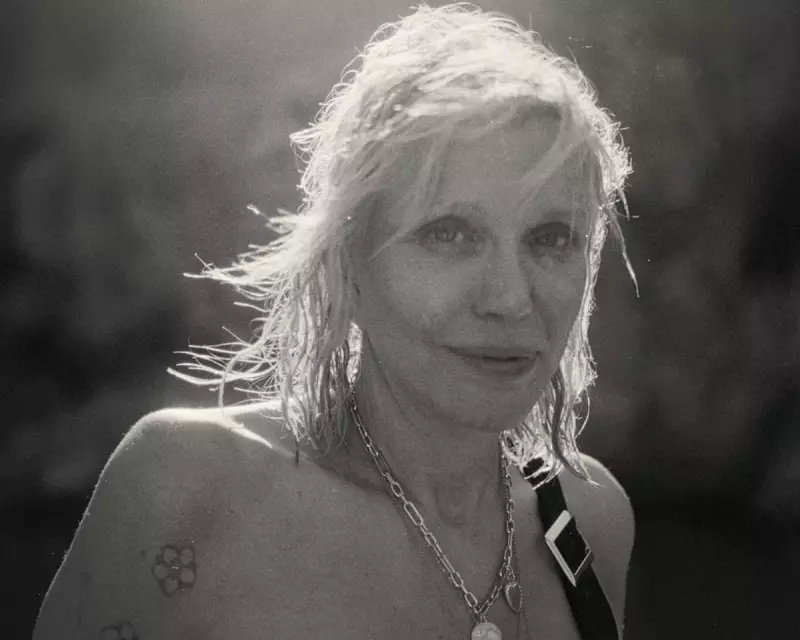
A new documentary about the iconic musician Courtney Love has generated significant attention at the Sundance film festival, despite the notable absence of the legendary Hole frontwoman herself. The film, titled Antiheroine, offers an unflinching look into Love's turbulent life and career, featuring raw admissions about her struggles with addiction, fame, and personal relationships.
Premiere Without the Star
The documentary premiered in Park City, Utah, without Courtney Love in attendance, though she was originally scheduled to appear. Director Edward Lovelace expressed disappointment at her absence, describing Love as "so unfiltered, so truthful" in his introduction. He thanked Love for allowing the filmmakers intimate access over three years to create what he called an honest portrayal of her story.
London Life and Creative Revival
The 98-minute film finds Love living in London, where she relocated more than five years ago seeking a quieter existence. In the documentary, she reveals she was two and a half years sober when she moved, bringing only a winter wardrobe and her dog. The film captures her return to music writing after more than a decade away from the spotlight, working on what would be her first album in fifteen years.

Love describes this creative process as "a way to take back my story", emphasizing that "no one can tell my story but me." The documentary includes footage of her emotional return to the studio and exploration of her personal archive containing journals, lyrics, and home videos.
Tumultuous Early Years
Antiheroine delves deep into Love's challenging childhood, born Courtney Michelle Harrison in 1964 to what she describes as a "countercultural family" in San Francisco. She recounts traumatic experiences including:
- Her father giving her LSD at age four
- Her first drink at age ten that left her physically ill for a week
- Being scapegoated by her mother according to her account
- Time spent in foster care and juvenile hall
Love credits Patti Smith with showing her what a woman in rock could be, which she says saved her life. Her determination led her to Liverpool's punk scene before moving to Los Angeles, where she worked as a stripper and formed the band Hole.
Relationship with Kurt Cobain
The documentary extensively explores Love's much-publicized relationship with Nirvana frontman Kurt Cobain, whom she married in 1992. She describes their instant connection as "two designated scapegoats" who found home in each other. The film addresses the intense media scrutiny surrounding their relationship, particularly the Vanity Fair article that suggested she used heroin while pregnant with their daughter Frances Bean.
Following Cobain's suicide in April 1994, Love faced accusations that she was responsible for his death. The documentary includes clips showing fans and commentators levelling these allegations, with one concert attendee even placing shotgun shells on stage in front of her.
Struggles with Addiction and Motherhood
Love speaks frankly about her battles with substance abuse, quipping that "if you want to nuke your life, do crack." She acknowledges the impact on her relationship with her daughter, admitting "I certainly was not the easiest mother" and that she struggled to focus on parenting during her most difficult periods.
The film shows her now sober and reflecting on these challenges, though she remains private about her current relationship with Frances Bean. By the documentary's conclusion, she's preparing to visit her grandson in Los Angeles.
Musical Legacy and Future
Throughout Antiheroine, Love repeatedly returns to music as her salvation, describing it as a release valve and balm for her struggles. She's working on new music with collaborators including former bandmate Melissa Auf der Maur and REM's Michael Stipe, who appears in the film describing how Love has been "pilloried again and again" throughout her career.

Love reflects on her forthcoming album, suggesting it could be called "the recovery record" or "the got granted a lease on life record." She emphasizes the transformative power of music, stating that "one song can change everything" and that writing helps her move further from past difficulties.
The documentary premiered at the Sundance film festival and is currently seeking distribution, offering audiences an intimate portrait of one of rock music's most controversial and compelling figures.