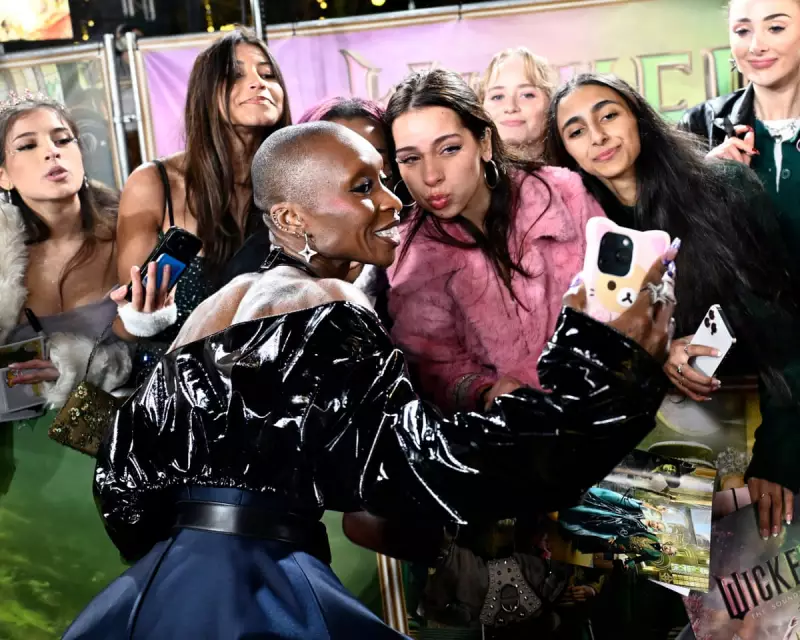
The glittering European premiere of Wicked: For Good in London's Leicester Square, with fans dressed as characters and queuing for hours to see stars Cynthia Erivo and Ariana Grande, presented a picture of robust cinematic health. Yet, this vibrant scene masks a deepening crisis within the film industry, which is facing one of its most financially bleak years in decades.
A Tale of Two Realities: Premieres vs. Box Office Slump
While the 10 November premiere was a major event, industry experts caution that such occasions are becoming outliers. According to the Guardian's film editor, Catherine Shoard, Hollywood is staring at an annus horribilis. Excluding pandemic shutdowns, North American box office earnings in October crashed to levels not seen since the late 1990s, with Halloween weekend registering as the worst of the year so far.
"For a lot of the audience, going to the cinema just isn't a habit any more, unless it's an event," Shoard explained. The initial strong performance in March and April, bolstered by surprise hits and the predictable success of the Minecraft movie, gave way to a weak summer and a dire autumn, creating the worst run in decades.

What's Driving Audiences Away?
Several interconnected factors are contributing to the downturn. Studios have massively overestimated the pulling power of major stars, building expensive films around figures like Dwayne "The Rock" Johnson, whose $100 million mixed martial arts drama, The Smashing Machine, failed to connect with audiences.
Furthermore, the industry is indulging in costly vanity projects that fail to attract cinema-goers. Directors like Francis Ford Coppola have been reduced to selling personal assets to fund self-financed epics like Megalopolis. These films, designed to burnish reputations, are simply not what people want to see on the big screen.
The rise of streaming services like Netflix has also fundamentally altered viewing habits. Netflix secures big-name directors by offering creative freedom and brief cinema windows, but this model has downsides. Shoard points to Guillermo del Toro's Frankenstein as an example of a film that "badly needed someone to say, 'No, this bit doesn't work.'" When audiences know a film will be available at home in a matter of weeks, the incentive to visit a cinema diminishes significantly.
A Dismal Future and the Lessons of Barbenheimer
The situation is leading to a thin awards season, partly a hangover from the writers' strikes and partly because mid-range adult dramas are no longer getting financed. The contrast with the Barbenheimer phenomenon of 2023 is stark. That dual release worked because it was a cultural event that people felt compelled to be part of.
Today, the only consistent successes are either spectacle-driven films like Avatar, which offer an experience that cannot be replicated at home, or films like Wicked that have a built-in, dedicated fandom. The magic of the movies hasn't disappeared, but as the eager fans in Leicester Square demonstrate, studios must now work much harder to create the compelling, event-driven reasons that will pull audiences back into theatres.