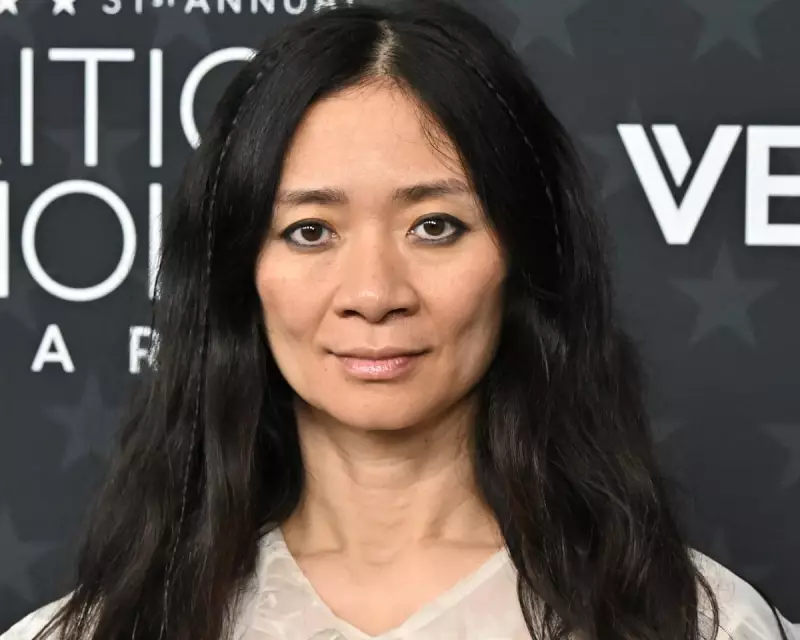
Acclaimed director Chloé Zhao has delivered a powerful critique of the US film industry's systemic barriers to gender diversity, following the publication of a damning new report on female representation behind the camera.
A Stark Statistical Backdrop
The catalyst for Zhao's comments was the latest USC Annenberg Inclusion Initiative study, which surveyed the top-grossing films in the United States. The findings revealed a significant step backwards: only 9 of the 111 directors behind 2025's 100 highest-earning films were women. This figure represents a mere 8.1%, a sharp decline from the 13.4% (15 women) recorded in the 2024 survey.
Author of the report, Stacy L. Smith, stated the data shows progress for women directors has been "fleeting." She added that while some might attribute the drop to recent political shifts, the executive decisions to greenlight these films "took place long before any DEI prohibitions took effect," with many projects in motion before the 2024 election.

Zhao's Vision of 'Feminine Consciousness'
Zhao, who won the Academy Award for Best Director in 2021 for Nomadland, shared her perspective at a Women in Motion talk during the Palm Springs film festival. Reflecting on her experience directing the awards-season favourite Hamnet, she outlined a leadership style at odds with Hollywood's prevailing model.
"What I've learned from making Hamnet," Zhao said, "is that feminine leadership – and that doesn't mean just women, it means the feminine consciousness in all people – is drawing strength from interdependence, not dominance. So it's drawing strength from intuition, relationships, community and interdependence."
She argued this approach fundamentally clashes with the industry's existing structures. "It doesn't fit into the current model that we exist in, the container we exist in. It's difficult to come through, and I feel very lucky that I had people in power that trusted that this way of leading is needed for this story," Zhao concluded.
Oscar Contenders and Industry Context
Hamnet, which Zhao co-wrote with novelist Maggie O'Farrell, explores the grief of William Shakespeare and his wife Agnes Hathaway. It was released in the US on 26 November and opens in the UK this Friday. The film has earned $12 million at the box office and recently won Jessie Buckley a Critics Choice award for her performance.
The film is now a major Oscar contender, potentially setting Zhao up for a second Best Director win. Her competition includes Paul Thomas Anderson for One Battle After Another and Ryan Coogler for Sinners. A win for Coogler would make him the first Black filmmaker to receive the Best Director Oscar.
Other female-directed successes on the top-grossing list included Celine Song's Materialists ($36.5m) and Nisha Ganatra's Freakier Friday ($94.2m), highlighting that films led by women can achieve significant commercial success when given the opportunity.
Zhao's comments and the supporting data underscore a persistent and worsening crisis in Hollywood's gender parity, challenging the industry to create a container capable of nurturing diverse forms of creative leadership.