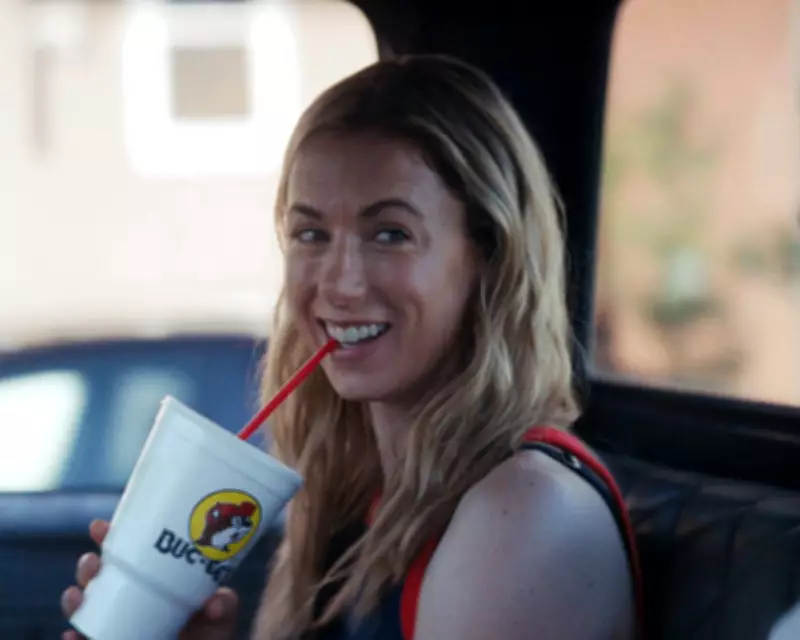
Chasing Summer Review: A Baffling Sundance Comedy Car Crash
The Sundance Film Festival has premiered many unconventional films over the years, but few have generated as much bewildered fascination as Chasing Summer. This 98-minute feature represents an unexpected collision between two seemingly incompatible creative forces: experimental director Josephine Decker and mainstream comedian Iliza Shlesinger. The resulting cinematic vehicle careens wildly between genres, leaving audiences both perplexed and morbidly captivated by its spectacular tonal derailment.
An Unlikely Creative Collision
On paper, the pairing appears deliberately provocative. Josephine Decker has built her reputation through challenging, genre-defying work including experimental theater pieces like Madeline's Madeline, claustrophobic psychological dramas such as Shirley, and magical realism in The Sky Is Everywhere. Her filmography demonstrates a consistent fascination with interior turmoil and psychological unreality.
Standing opposite this auteur is Iliza Shlesinger, whose brand of fast-paced, ribald standup comedy has earned her significant popularity. Shlesinger brings to the project her conventional blonde attractiveness alongside her comedic sensibilities, creating an intriguing tension between her public persona and the material. That Decker would choose to direct Shlesinger's Hallmark-esque screenplay about small-town Texas life represents one of the festival's most curious creative decisions.

A Protagonist Lost in the Chaos
The film centers on Jamie, a 38-year-old disaster relief worker played by Shlesinger with surprisingly straight-faced earnestness. Following an abrupt breakup with her boyfriend of five years, Jamie returns to her Texas hometown after two decades away, haunted by rumors about a teenage pregnancy and her vanished high school sweetheart Chase.
Jamie emerges as a frustratingly thin protagonist, defined primarily by her profession and physical attractiveness rather than substantive characterization. She works in disaster relief but shows little passion for the field, and her fixation on high school gossip feels psychologically implausible for someone approaching middle age. Shlesinger's performance lacks the necessary edge or interiority to make Jamie either compellingly diabolical or genuinely sympathetic.
Stock Characters and Tonal Whiplash
The Texas setting proves equally problematic, filmed not in Dallas but in St. Louis, resulting in a generic suburban landscape devoid of specific regional character. Jamie encounters a parade of stock characters including her twangy, disapproving mother (overplayed by Megan Mullally), her resentful older sister Marisa (Cassidy Freeman), former popular classmates consumed by domesticity, and inexplicably attracted younger men.
Decker's directorial approach creates constant tonal whiplash as she attempts to inject visual dynamism into fundamentally conventional material. Cinematographer Eric Branco's camera twirls, turns, and flips with restless energy, as if trying to wrest the film away from its vacant protagonist. The result is a volatile squabble between Decker's subversive sensibilities and the story's cardboard components.
Bizarre Choices and Unanswered Questions
The film accumulates baffling creative decisions at every turn. Basic continuity errors suggest either technical incompetence or deliberate punk provocation. Characters appear styled as if from different socioeconomic classes without narrative justification. Jamie displays inexplicable confusion about ordinary grocery stores. Most puzzlingly, central rumors remain unaddressed for two decades within the story's logic.
Late-stage scenes deliver such vertiginous tonal swings that viewers emerge genuinely speechless. The film careens from sensuous, gauzy sex scenes reminiscent of Decker's earlier work to broad farce executed with all the delicacy of a charging bull. This chaotic energy at least prevents the film from becoming boring, though the cost to coherence proves substantial.

A Morbidly Fascinating Failure
Chasing Summer ultimately functions less as a coherent narrative than as a case study in creative mismatch. Watching Decker's distinctive visual language tear into Shlesinger's conventional screenplay creates a morbid fascination that transcends traditional critical evaluation. The film represents a genuine cinematic car crash - horrifying to witness yet impossible to look away from.
While the collaboration fails to generate the creative sparks its premise promised, it does achieve something arguably more memorable: a genuinely bewildering viewing experience that lingers in the mind long after more polished but forgettable festival entries have faded. Chasing Summer may not work as intended, but its spectacular failure proves more memorable than many conventional successes.