What began as a simple app feature has transformed into the digital age's cinematic confessional. Letterboxd's Four Favourites has evolved from humble beginnings into a cultural phenomenon that captures how celebrities and everyday film enthusiasts alike curate their top four movies.
The Rise of the Digital Film Confessional
Letterboxd's signature feature allows users to select and constantly rearrange their four favourite films on their profiles. The platform has taken this concept further by filming celebrities and ordinary users sharing their choices, creating content that now reaches 2.4 million Instagram followers. These clips have become a distinct social media genre, complete with red carpet backgrounds, upbeat music, and carefully edited sequences where film posters slide into place with satisfying pings.
Each video represents a perfect blend of fame, fandom, and carefully orchestrated spontaneity. Yet beneath the apparent chaos lies a set of unspoken guidelines that govern how to present your cinematic tastes effectively.

The Unwritten Rules of Four Favourites
Always Feign Surprise
The first rule mirrors Miranda Priestly's famous line from The Devil Wears Prada: "Why is no one ready?" Most celebrity selections begin with flustered claims of unpreparedness that lend an air of authenticity to their responses. Michelle Williams famously exclaimed "Oh shit" when approached, while Jenna Ortega lamented that she "should've read the email."
Writer and director Zoë DeLeon confirms that her unrehearsed reaction was genuine, explaining she wasn't given advance notice before being questioned on camera. The essential follow-up to this surprise is the obligatory question "Just four?" expressing outrage at the limitation - a move that has become practically universal among participants.
Strategic Self-Promotion
This is Hollywood, after all, and even civilians selected at film festivals recognise the opportunity to boost their Letterboxd follower counts. Monica Bellucci demonstrated this perfectly by selecting films directed by her then-partner Tim Burton, then connecting those choices to his latest project in which she coincidentally appeared.
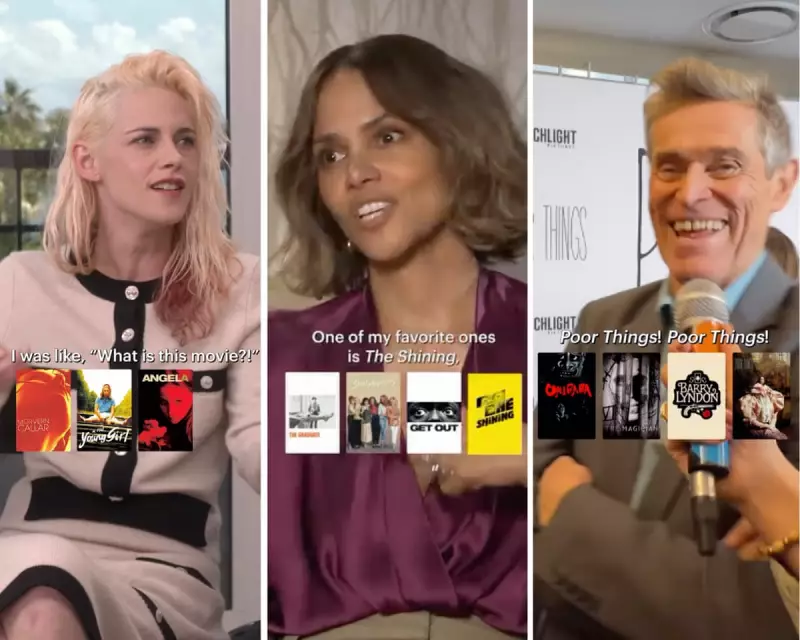
Halle Berry used her nomination of The Shining to segue into discussing her own film Never Let Go, which she was promoting at the time. Ben Whishaw, while promoting Paddington in Peru, even speculated about what the marmalade-loving bear's own favourites might be, suggesting Paddington would appreciate Marilyn Monroe in Gentlemen Prefer Blondes.
Some celebrities abandon subtlety altogether. Both Geena Davis and Carol Kane included two of their own films among their four selections, keeping their choices firmly personal.
Crafting Your Cinematic Persona
As Kristen Stewart observed after sharing her picks, "I feel like you can tell a lot about a person from seeing them in Letterboxd." The platform has become a tool for image construction, with rappers like Snoop Dogg and Busta Rhymes maintaining their tough credentials by selecting films like Scarface rather than admitting to any hidden affection for Disney classics.
Others use the opportunity to showcase their arthouse credentials. Actress Chloe East openly discussed her love for Kurosawa while acknowledging the distinction between "your pretentious favourite movie and then just your favourite movie."
The selection process represents more than just which films you casually watch when bored - it's about constructing an ambience, a microcosm of your identity. As Past Lives actor Teo Yoo explained during his turn, favourites "change every day because every day I'm another person."
The Art of Coherent Curation
Your four selected film posters sit side by side, and they need to make sense together. Hugh Grant apparently missed this memo, creating a jarring sequence that moved from The Sound of Music to the Holocaust drama The Zone of Interest before landing on Finding Nemo - creating a bewildering journey from genocide to animated clownfish.
Mackenzie Davis demonstrated more thoughtful curation by carefully considering the order of The Princess Bride and The Night Porter, arguing that one should be watched after the other.

The ideal approach, as Willem Dafoe demonstrated with his selections (Onibaba, The Magician, Barry Lyndon, Poor Things), involves highlighting overlooked gems that subsequently experience popularity spikes. The perfect blend includes both cinematic masterpieces and something deeply personal or ironic, like a childhood favourite - though Andrew Garfield's exclusive selection of early favourites like Bugsy Malone and The Goonies serves as a cautionary tale about demonstrating how your taste has evolved.
Why Letterboxd Matters in the Streaming Age
Ultimately, Four Favourites represents a way to associate ourselves with great cinema. While we may have had no involvement in creating these films, we establish a connection by correctly identifying genius. In an era of ephemeral streaming content, Letterboxd functions as a form of ownership - a way to hold onto and possess art, not unlike displaying DVDs on a prominent shelf or carrying a record under your arm.
This modern ritual differs little from the tradition of displaying a poster for The Dreamers to demonstrate how cool you were for "getting" it - except now you can discover that Mia Goth shares your taste.