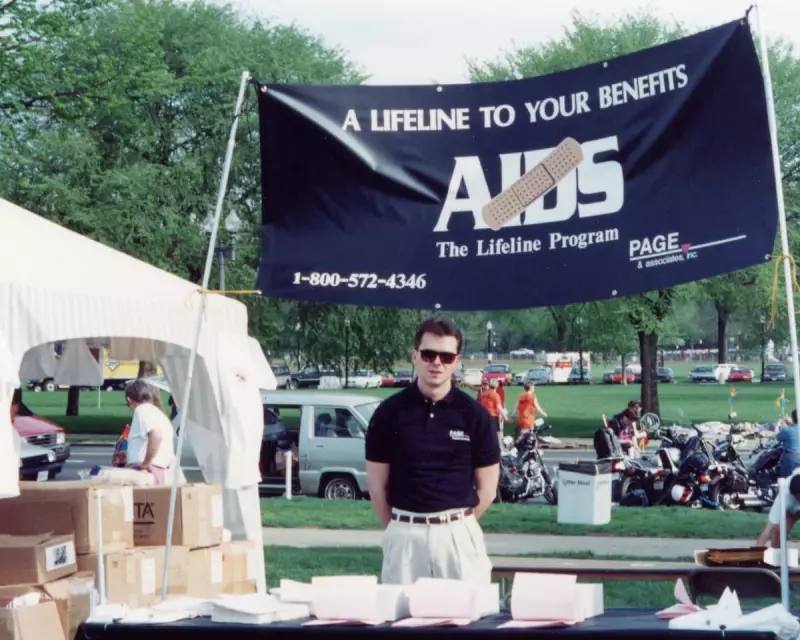
In the Oscar-shortlisted documentary short Cashing Out, director Matt Nadel uncovers the little-known world of viatical settlements during the height of the Aids epidemic. This industry saw dying LGBTQ+ individuals sell their life insurance policies for a fraction of their value, providing cash for essentials like food and medical bills, while investors profited from their impending deaths.
A Personal Revelation Sparks a Film
During the Covid-19 pandemic in 2020, Nadel, now 26, was walking with his father in Boca Raton, Florida, when a conversation about pharmaceutical profiteering led to a shocking confession. His father, Phil, revealed he had invested in viatical settlements in the early days of the HIV/Aids crisis. For Nadel, an openly gay film-maker, this news sent him into a spiral, as he realised his childhood was bankrolled by profits from an industry tied to the deaths of Aids activists who paved the way for his rights.
The Bittersweet Reality of Viatical Settlements
The film centres on characters like Scott Page, who arranged an early viatical settlement for his partner Greg, living with Aids. This cash advance allowed Greg to live his final months with financial security, moving into a house and getting a golden retriever. Page describes it as "absolutely transformative", seeing stress leave Greg's body. However, the absurdity of profiting from death was clear, and Page became a broker for other gay men abandoned by their families during the crisis.

Initially, private investors dominated the industry, using morbid ledgers that listed policy values alongside T-cell counts and life expectancies. The sicker the policyholder, the quicker the payout. As institutions saw profits, they joined in, but the landscape shifted in the late 1990s with antiretroviral therapies extending lives, leaving investors stuck with unpaid policies.
Marginalised Voices and Systemic Failures
Cashing Out also highlights those excluded from this system. DeeDee Chamblee, a Black trans activist, recalls fantasising about a viatical settlement while ill with only three T-cells, but lacking a life insurance policy, it remained a dream. Her testimony underscores how marginalised groups, like trans sex workers of colour, were denied basic dignity in death.
Nadel filmed interviews over a year with subjects including Page, Chamblee, and Sean Strub, founder of POZ magazine. Their honesty prompted him to include his father's story, feeling it wrong to keep his personal connection secret. The film now serves as an indictment of America's social safety net, with Nadel noting, "When the government refuses to fulfil its role in taking care of us, we have to come together and find creative ways to take care of each other."
Ultimately, Cashing Out presents a nuanced view: viatical settlements helped many but existed due to systemic failures. It encourages viewers to find solidarity in the fight for survival, reminding us that illness does not discriminate. The documentary is available on YouTube, offering a poignant look at a dark chapter in LGBTQ+ history.