Rena Effendi's Butterfly Quest Reveals Family Secrets in Gripping Documentary
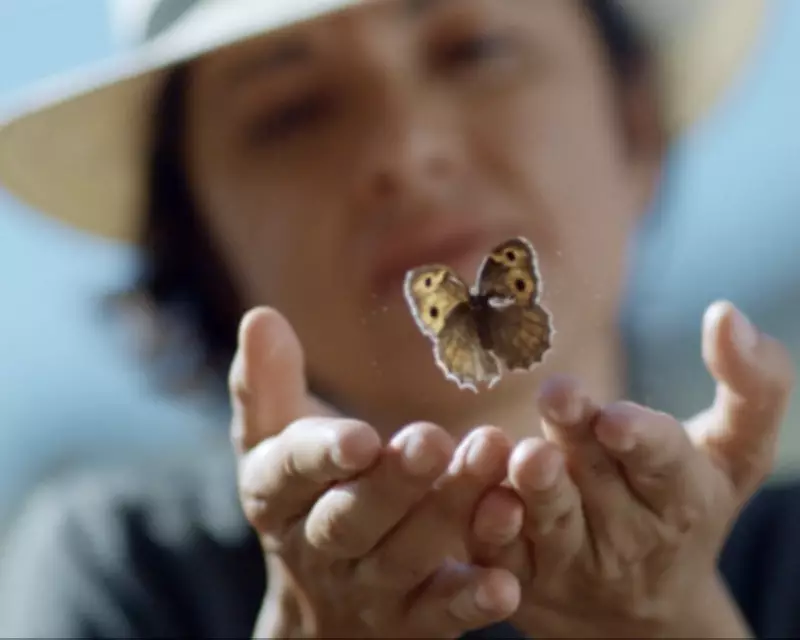
High in the rugged Caucasus mountains, photojournalist Rena Effendi embarks on a poignant search for the critically endangered butterfly that bears her family name, Satyrus effendi. This elusive insect, named after her father Rustam Effendi, a renowned Azerbaijani lepidopterist, becomes the central metaphor in her award-winning documentary, Searching for Satyrus. The film, set against a backdrop of war, nationalism, and environmental crisis, transforms into a deeply personal journey as Effendi uncovers long-hidden truths about her father's life and her own childhood.
The Elusive Butterfly and a Father's Legacy
The butterfly hunt proves daunting from the start. The terrain is rocky and bleak, with grass scorched yellow by intense summer heat, and sheep grazing on the plants essential for the butterfly's survival. Dmitrii V Morgun, one of the few lepidopterists to have seen Satyrus effendi, describes it as a "melancholic, brooding butterfly," mirroring the enigmatic nature of Effendi's father. Rustam Effendi was a brilliant scientist but a distant figure in Rena's life, known for his womanizing and love of wine, rarely present during her upbringing. He died when she was 14, leaving behind fragmented memories and a legacy shrouded in mystery.
In 2017, on a whim, Effendi searched her father's name online and discovered the butterfly named in his honor. This revelation sparked her quest to retrace his footsteps from Baku to the mountainous borderlands between Azerbaijan and Armenia, areas recently recaptured by Azerbaijan in ongoing conflicts. The film captures her journey as she navigates bureaucratic hurdles, including obtaining special permission to enter Armenia, where her search deepens into an exploration of family secrets and identity.

Uncovering Hidden Truths and Parallel Lives
Effendi's investigation leads her to the underfunded Institute of Zoology, where her father's butterfly collections are decaying, and to Pavlik Kazaryan, an old friend of Rustam who became a refugee during the war. Kazaryan reveals that Rustam never spoke of Rena, calling her "little Effendi invisible girl," a painful realization that fuels her determination to understand her father's life. As she interviews half-sisters and relatives, she uncovers letters written by Rustam to other women, filled with romantic descriptions of his adventures, highlighting her own absence from his narrative.
The parallels between Effendi's career as a photojournalist and her father's work as a lepidopterist become evident. Both involve solitary hunts, waiting for the perfect moment, and capturing stories—whether through butterflies or photographs. "Every butterfly comes with a story; every picture comes with a story," she reflects, drawing connections between pinning butterflies and capturing moments in time.
Broader Themes of War, Climate Change, and Hope
Beyond the personal narrative, Searching for Satyrus addresses pressing global issues. Effendi learns that climate change is forcing shepherds to graze sheep at higher altitudes, consuming the plants that Satyrus effendi caterpillars depend on, threatening the butterfly's survival. The film also highlights the enduring conflict between Azerbaijan and Armenia, with the butterfly symbolizing a hope for peace. Morgun notes, "He flies above everything. For him, there are no borders, no wars, nothing. Just his mountains."
In a climactic scene, Effendi confronts her mother, using the camera's power to elicit long-withheld truths that reshape her understanding of her childhood. This moment underscores the film's exploration of truth-seeking and reconciliation. Despite extending filming for an extra year and camping in harsh conditions, Effendi's obsession with finding the butterfly remains unfulfilled, yet the journey offers profound insights into heritage and healing.
Searching for Satyrus premieres in UK cinemas from April 27, with Effendi participating in Q&A sessions. This documentary not only chronicles a rare natural wonder but also serves as a testament to the complexities of family, memory, and resilience in a fractured world.