Bunker Boom: How Underground Havens Became TV's Hottest Trend
In an era where tech billionaires like Sam Altman and Peter Thiel invest in vast underground homes to shield themselves from future catastrophes, a wave of television dramas is exploring this fascination with subterranean sanctuaries. Shows such as Paradise and Silo are delving into the allure and implications of these bunker lifestyles, prompting viewers to question whether the wealthy elite know something the rest of us do not.
The Real-Life Inspiration Behind Bunker Narratives
For self-respecting billionaires, owning a doomsday bunker has become almost mandatory. Elon Musk's "apocalypse resort" and Mark Zuckerberg's reportedly larger shelter highlight this trend. These real-world investments have sparked curiosity and concern, fueling a cultural obsession that television has eagerly tapped into. The recent surge in bunker-themed dramas reflects our collective intrigue with impressive underground real estate and the secrets it might hold.
Paradise: A Glamorous Underground City
Disney+'s Paradise stands out as one of the most audacious entries in this genre. The series follows tech billionaire Samantha Redmond, played by Julianne Nicholson, as she funds an elaborate underground project codenamed "Versailles." Unlike other survival stories, Redmond's vision extends beyond saving a select few; she constructs "the world's largest underground city," an ersatz all-American suburb designed to house 25,000 people during a climate catastrophe.

The show's Truman Show-style facsimile, complete with robotic ducks and a massive artificial sky, is so convincing that viewers often do not realize the setting until the pilot episode's final moments. Krys Marshall, who portrays secret service agent Nicole Robinson, recalls her own surprise: "Reading the script, I was like, 'Page 63 … Page 64 … Page 65?!!!' It was a total shock."
As Paradise returns for a second season, it introduces a subtler twist: the anticipated nuclear detonations never occur, and the world outside the bunker is more nuanced than the post-apocalyptic wasteland imagined by those underground. Marshall notes, "One of the beautiful things about our show is we don't have this totally dystopian experience of 'the end of days is the worst of days.' We're watching what happens when folks are down but they're not out, and how their resilience keeps them alive."
Fallout: A Wasteland of Deception and Survival
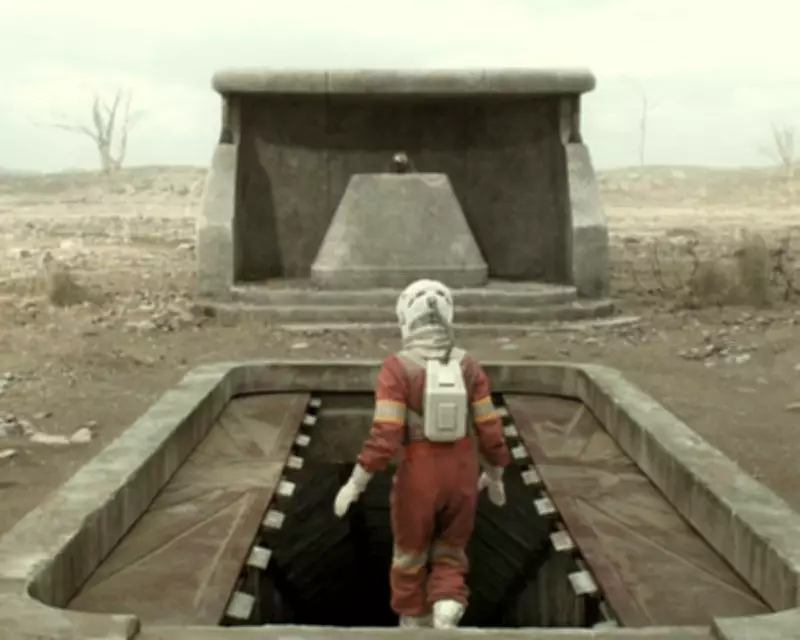
In contrast, Amazon Prime's Fallout presents a bleaker vision. Based on the popular video-game series, it depicts a bland corporate elite surviving in sanitized 1950s-styled bunkers while the world above has transformed into a horrific "wasteland" filled with mutated monsters and bizarre post-apocalyptic humans. Characters like "the Ghoul," played by Walton Goggins, straddle the apocalyptic divide, revealing deep truths about humanity and corruption.
David Pike, author of After the End: Cold War Culture and Apocalyptic Imaginations, observes that these stories often reveal the bunker as an illusion based on deception. "It's not even giving us what it promised," he says, linking this theme to pandemic experiences of isolation. Pike traces the narrative roots to Ayn Rand's Atlas Shrugged, noting that such fictions reflect rightwing fantasies of elite shelters and external threats.
Silo: A Vertical Society with Political Tensions
Apple TV's Silo explores a community that has been underground so long it has lost touch with its own history. With 10,000 inhabitants unaware of the disaster that forced their ancestors below, the show delves into political questions about freedom and governance. Author Hugh Howey explains, "The story is really about this tension of how we can live free while also being governed, and the freedoms we're willing to sacrifice in order to live in a society."

The silo's vertical design, where elites occupy upper levels and workers reside below, starkly highlights power imbalances. Production designer Gavin Bocquet drew inspiration from Brutalist architecture, visiting sites like London's National Theatre and Barbican Centre. Despite initial plans to film on location, the team built a 45-foot set in a former freezer-plant in Hoddesdon, creating an immersive environment that mirrored the characters' isolated existence.
The Cultural Resonance of Bunker Dramas
These shows resonate with contemporary anxieties, from climate change to political corruption. Paradise feels particularly timely with its climate-conscious message and near-future setting, while Fallout and Silo offer more fantastical yet thought-provoking explorations. As Nicole Brydon Bloom, who plays a key role in Paradise, notes, "What really drew me to Paradise is that it could be two years from now, it could be tomorrow."
Ultimately, bunker-buster dramas captivate audiences by blending escapism with sharp social commentary. Whether depicting glamorous underground cities or harsh wastelands, they invite us to ponder our own resilience and the truths we might uncover when forced to confront the unknown. As Krys Marshall quips about the differing bunker aesthetics, "I will say I much prefer our bunker! Ours is a glam bunker. Theirs looks like it's just a hair above hell."