Bridgerton's Michaela Stirling: A Gender-Swapped Role Beyond Queer Stereotypes
As Bridgerton returns for the second half of its fourth season, fans are diving back into a world of ball gowns, romance, and dramatic twists. While the conclusion of Sophie and Benedict's Cinderella story captivates audiences, a groundbreaking character shift is turning heads: the gender-swapped role of Michaela Stirling, played by Masali Baduza.
Masali Baduza on Embracing Michaela's Wild Independence
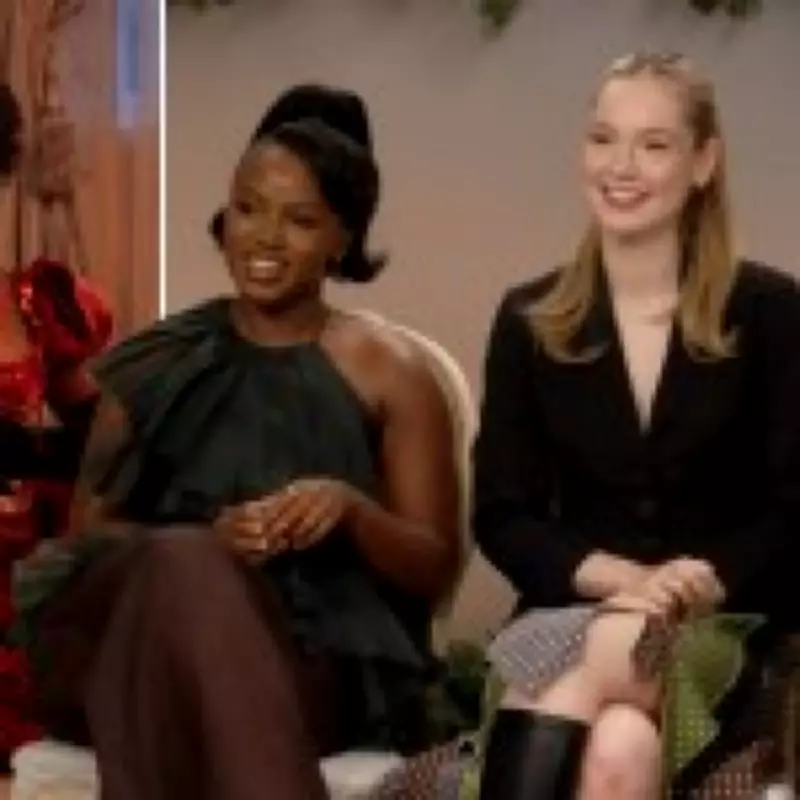
In an exclusive interview, Masali Baduza, the 28-year-old star known for Noughts + Crosses, shared her enthusiasm for portraying Michaela Stirling. 'Michaela has been so much fun to play so far,' she revealed. 'I just love that she's wild, independent, and lives by her own rules.' This character marks a significant departure from the original books, where Michael is depicted as a male rake—a womanizer whose debauched stories charm Francesca Bridgerton and John Stirling.
The gender swap has sparked discussions about representation and storytelling in the Regency-era drama. Baduza expressed her delight in challenging stereotypes, stating, 'I think it's time we see a female rake!' However, she emphasized that her portrayal isn't defined by LGBTQ+ labels. 'They just are who they are,' she explained. 'I don't think I'm necessarily playing a queer quality; I think she is just who she is.'

Francesca and John's Love Story Contrasts with Michaela's Fireworks
Hannah Dodd, who plays Francesca Bridgerton, and Victor Alli, portraying John Stirling, highlighted the nuances of their characters' relationship. While Francesca and John 'deeply love each other,' their connection is described as tempered and slower, lacking the intense fireworks seen with Michaela. Dodd noted the importance of showing women advocating for their needs in a romance series, saying, 'We felt it was important and really great that, particularly for a romance show, you show your reality.'
Alli added, 'It's okay to experience love differently... it's still love, but just a different version.' This contrast sets the stage for Bridgerton's first central LGBTQ+ relationship, a move that has been carefully integrated into the show's universe.
Bridgerton's Evolving Queer Representation
Bridgerton has previously included queer characters, such as Benedict Bridgerton's pansexual exploration, as confirmed by actor Luke Thompson. He described Benedict as attracted to 'the way that someone thinks and feels, regardless of gender,' noting a refreshing 'label-lessness' in the portrayal. This groundwork has paved the way for Michaela's storyline, reducing pressure on future queer romances.
Dodd acknowledged the significance, sharing, 'It's something that's really important to the showrunners... that there is a queer love story at the centre, and it's a full story.' Baduza echoed this sentiment, reflecting on the historical context: 'It wasn't accepted [at the time]. It's still hard to be accepted today, but I just feel like we're living in this fantasy world of Bridgerton, and everyone deserves a happily ever after.'
Season Four Part Two: A Steamy and Emotional Conclusion
The latest episodes, now available on Netflix, feature four installments packed with drama. Highlights include:
- A classical rendition of Charli XCX's 360, alongside songs by Billie Eilish and Teddy Swims.
- The long-awaited Benedict and Sophie bathtub scene, promising steamy moments.
- Francesca's shocked reaction to Michaela's unexpected arrival, as teased in trailers.
- Returning favorites like Jonathan Bailey and Simone Ashley as Lord and Lady Bridgerton.
Critics have praised this half-season for its emotional depth, with Metro's TV editor Sabrina Barr noting it delivers an 'earth-shattering gut punch' that grounds the fantastical series. As viewers devour these episodes, the focus remains on character authenticity and inclusive storytelling, ensuring Bridgerton continues to redefine period drama for modern audiences.