Bafta N-Word Controversy: A Clash of Sensitivities at the Film Awards
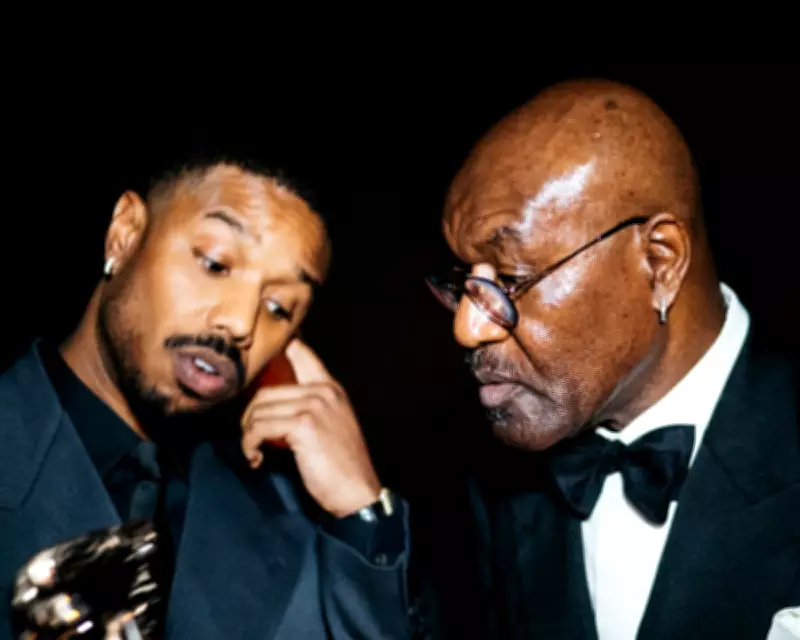
The Bafta film awards on Sunday were marred by a deeply unsettling incident that has ignited a fierce debate about racial sensitivity and disability awareness. Backstage, actors Michael B Jordan and Delroy Lindo found themselves at the center of a storm when John Davidson, a guest with Tourette syndrome, involuntarily shouted racial abuse at them. This event has exposed critical flaws in how institutions like the BBC and Bafta handle such complex situations, with apologies falling short and producers claiming they "didn't hear" the slur due to working conditions.
The Incident and Its Immediate Fallout
John Davidson, subject of the acclaimed film I Swear, attended the ceremony to raise awareness about Tourette syndrome, a condition characterized by uncontrollable tics and outbursts. To his profound dismay, during the event, he shouted the N-word at Lindo and Jordan, two highly respected performers of color. While many in the auditorium did not immediately grasp the severity due to indistinct audio, the clip circulated on social media, revealing the awful truth. The BBC's decision not to bleep out the word or drop the audio—reportedly because producers missed it—has been labeled a calamitous error, especially compared to their swift editing of political statements like "Free Palestine" from another speech.
Competing Sensitivities and Institutional Failures
This incident underscores a painful clash between the need to respect Davidson's neurological condition and the imperative to protect individuals from racial abuse. Lindo and Jordan responded with grace, but they are entitled to feel that their safety and dignity were compromised. The thorny issue here is whether intent matters when harm is caused; as one might argue, an involuntary physical act can still inflict pain, much like an involuntary verbal outburst. In the United States, there is growing impatience with equating the black American experience too glibly with conditions like Tourette syndrome, highlighting deeper cultural tensions.

Bafta and the BBC have issued apologies, but critics argue that phrases like "we apologise if you were offended" are dismissive and inadequate. Such language implies that the offense is subjective rather than acknowledging the real harm done. Presenter Alan Cumming's call for a "respectful space for everyone" rings hollow without concrete actions to prevent future incidents. Davidson himself chose to leave the event, raising questions about whether better risk assessments and accommodations could have been made in advance.
Broader Implications and Lessons Learned
The Bafta row serves as a stark reminder that good intentions are not enough. Institutions must implement robust protocols for handling sensitive situations, including pre-event planning for guests with disabilities and real-time audio monitoring to censor harmful language. The BBC's selective editing—prioritizing political sensitivities over racial ones—further complicates the narrative, suggesting a hierarchy of what is deemed acceptable to broadcast. As the dust settles, this incident should prompt a reevaluation of how awards ceremonies and media outlets balance inclusivity with protection, ensuring that no one is subjected to abuse, regardless of intent.