Netflix's America's Next Top Model Documentary Exposes Toxic Reality TV Legacy
The reckoning for America's Next Top Model has arrived, mirroring the cultural scrutiny faced by many noughties phenomena. This brutal, toxic gold rush in reality television often relied on the humiliation of women as an easy punchline. Launched in 2003, ANTM became a pop culture juggernaut, famous for meltdowns and viral moments disguised as a modeling competition. Netflix now delivers an exposé with Reality Check: Inside America's Next Top Model, a three-part series promising to be the definitive chronicle of the show's 24 cycles of carnage.
A Disturbing Retrospective on Reality TV
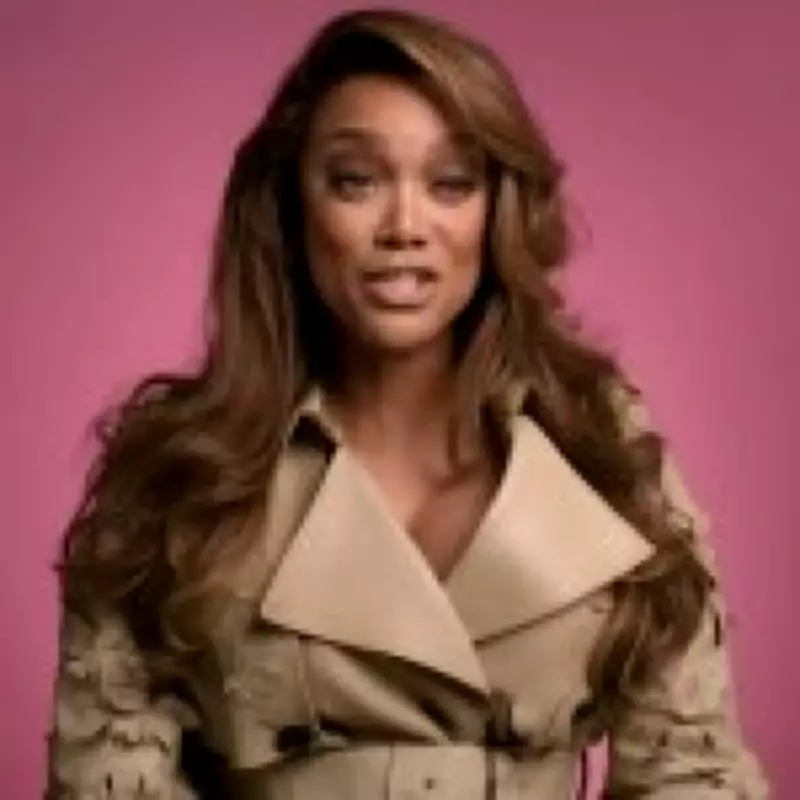
While I lack encyclopedic knowledge of every cycle, my memories include tuning in during the co-ed era, which felt like a proto-Love Island. I recall Tyra Banks demonstrating her iconic 'smize' and chastising contestants about the 'no neck monster'. However, viewing ANTM through this documentary's lens makes me question how I ever enjoyed it. The series compiles one morally questionable scene after another, painting a dire picture of body-shaming weigh-ins, unchecked eating disorders, tear-strewn makeovers, and challenges ranging from offensive to disturbing.
In one shocking instance, models were told, 'We are actually going to switch your ethnicities!' Production heads now appear sheepish about this decision, yet they repeated it in later cycles. Other offensive shoots styled models as homeless people, a bulimic woman with fake vomit, and violently killed crime scene victims. A contestant recounts being instructed to pose as a woman shot in the head, despite her own mother being paralyzed by a bullet—a moment that at least prompts remorse from producer Ken Mok on camera.

Tyra Banks and the Show's Controversial Legacy
The documentary features notable access, with former supermodel Tyra Banks in the hot seat alongside contestants and judges like Nigel Barker, Miss J Alexander, and Jay Manuel. All three judges were culled before cycle 19, an event Banks says she cried herself to sleep over, and none have maintained much contact with her since. Banks claims her pitch for ANTM aimed to push boundaries by promoting racial and body diversity on screen and in fashion, but this ethical foundation was lost along the way.
Many contestants initially saw ANTM as a career launchpad rather than a reality show, a perspective they now clearly reject. While Winnie Harlow achieved genuine success, most models returned to obscurity after Banks' runway. Shandi Sullivan's story from cycle two remains particularly devastating, a sequence she is still distraught over, though Banks needed reminding of the grotesque circumstances.
Lack of Accountability and Future Implications
Directors Mor Loushy and Daniel Sivan might have pressed Banks and others on key moments, but any squirming is not evident. Banks offers excuses for everything, citing narrow beauty standards, agent demands, viewer expectations, and network pressure. Those expecting a mea culpa will likely be disappointed, as poorly-aged clips are often dismissed as products of their time. However, Banks seems to overlook the models' grief and hurt, excitedly announcing plans for cycle 25.
The documentary includes only one unreserved apology, to a contestant who reported inappropriate touching on a shoot. Banks also admits she went 'too far' when shouting at Tiffany Richardson. Ultimately, Reality Check does not feel like the promised reckoning, offering no revelations beyond the show's own depressing scenes, which highlight what we inflicted on people for entertainment. Once beloved by many, including myself, ANTM now stands as a grim relic of a bygone era. Here's hoping Tyra Banks' reboot suggestion comes to nothing.