Sometimes the best things come to those who wait, and television is no exception. While many shows launch with perfectly balanced casts, some of the most memorable characters in TV history didn't appear until later seasons, transforming their programmes into cultural phenomena.
Game-Changing Arrivals That Reshaped Television
From scheming soap divas to charismatic priests, these late additions didn't just join existing ensembles - they fundamentally elevated their shows, creating moments that remain etched in viewers' memories years later.
Joan Collins as Alexis Colby didn't grace Dynasty until its second season, yet she became the iconic 80s super-soap's signature character. Her arrival sent ratings stratospheric with her glamorous wardrobe, dastardly schemes and legendary catfights with Linda Evans' Krystle.

In Buffy the Vampire Slayer, James Marsters' Spike was initially intended as a temporary villain when he sauntered into Sunnydale during season two. His cocky charisma and complex journey from villain to ally to love interest proved so popular that showrunner Joss Whedon called him the "most fully developed" of all his characters.
Modern Television's Most Memorable Latecomers
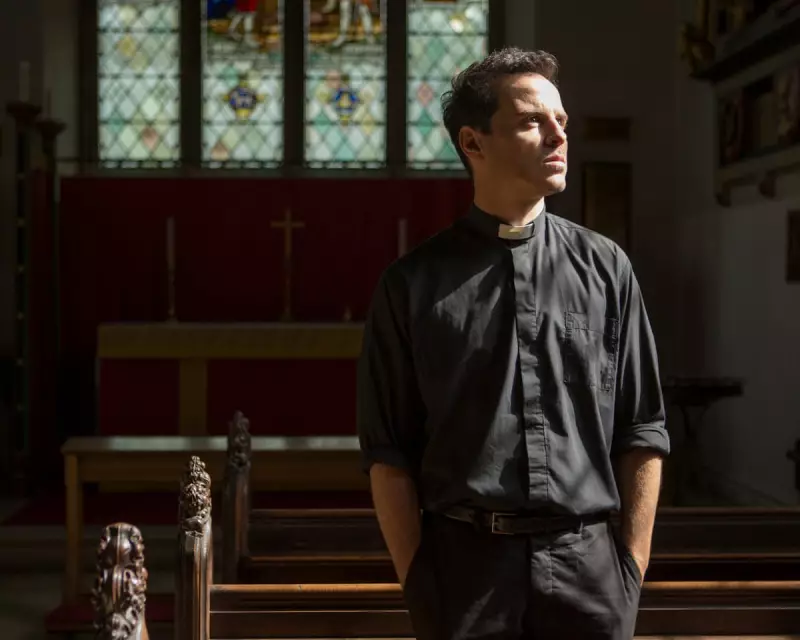
Recent television has continued this tradition of transformative late arrivals. Andrew Scott's Hot Priest became a bona fide phenomenon when he appeared in Fleabag's second season, three years after the debut series. With his gin-in-a-tin and Irish twinkle, the charismatic cleric provided a worthy love interest for Phoebe Waller-Bridge's protagonist and was notably the only character to notice her fourth-wall-breaking.
Gwendoline Christie's Brienne of Tarth didn't arrive in Westeros until Game of Thrones' second season, after Ned Stark had lost his head. She quickly became a fan favourite as a hard-as-nails warrior and honourable knight - one of the few unambiguously good characters in the Seven Kingdoms who became a genuine feminist icon.
In Peaky Blinders, Tom Hardy's Alfie Solomons provided the perfect scenery-chomping counterpart to the Shelby crime family once they expanded beyond Birmingham. The eccentric leader of a Jewish gang in north London appeared across five seasons, surviving cancer and being shot in the eye while becoming a firm fan favourite.
Comedy's Perfect Late Additions
Sitcoms have particularly benefited from well-timed cast expansions. Kelsey Grammer's Dr Frasier Crane joined Cheers in its third season as Diane's boyfriend, providing both a love rival for Sam and intellectual contrast to beer-guzzling regulars. He proved so popular that he landed his own superior spin-off, Frasier, and has now been on screens for more than 40 years.
In The Office, Ralph Ineson's Chris Finch arrived in episode three as the boorish, bullying sales rep who described himself as David Brent's best mate while invariably making him the butt of cruel jokes. The character's presence made Brent's eventual standing up to him in the Christmas specials a proper air-punch moment.
JB Smoove's Leon Black transformed Curb Your Enthusiasm when he arrived in season six as Larry David's unlikely partner-in-crime. The sex-mad, potty-mouthed lodger became LD's spiritual soulmate, enabling the resurgent show to explore race and class in fresh, funny ways while coining such memorable phrases as "long ball Larry" and "tap dat ass".
These characters demonstrate that sometimes waiting for the right addition can transform good television into truly great television. Their late arrivals didn't just fill gaps in casts - they created new dynamics, fresh storylines and unforgettable moments that defined their shows for years to come.