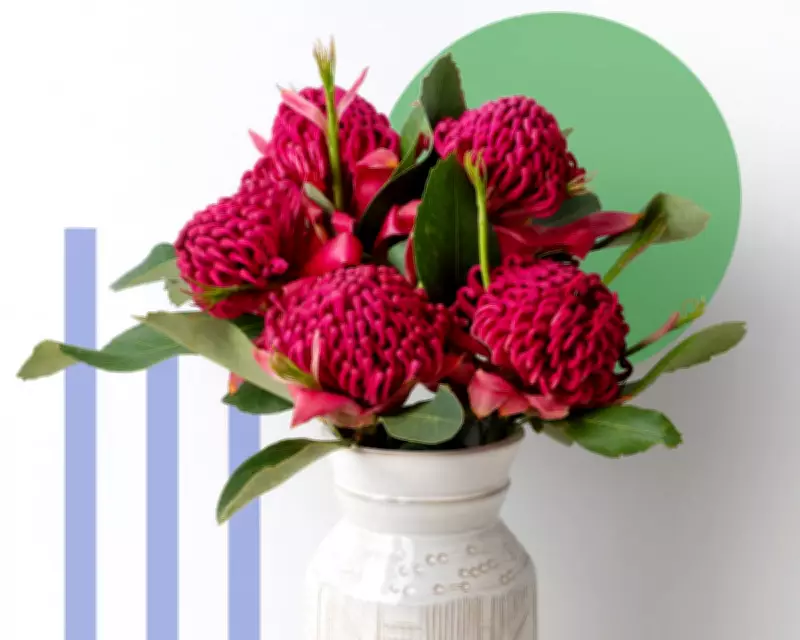
Valentine's Day, the annual celebration of love and affection, is undergoing a subtle yet significant transformation in the floral world. Traditionally dominated by the classic red rose, this romantic occasion is now witnessing a "redo" of roses, as consumers and florists alike embrace new trends and more sustainable practices.
The Evolution of Valentine's Day Flowers
For decades, the red rose has been the undisputed symbol of Valentine's Day, representing deep love and passion. However, recent years have seen a shift in preferences, with many people seeking alternatives that reflect personal style, environmental consciousness, and uniqueness. This change is driven by a growing awareness of the environmental impact of traditional flower farming, as well as a desire for more personalised expressions of affection.
New Trends in Floral Gifts
Florists are now offering a wider variety of blooms for Valentine's Day, moving beyond the standard rose bouquet. Popular alternatives include peonies, lilies, and tulips, which come in an array of colours and can be arranged in creative, modern designs. Additionally, there is a rising interest in native and seasonal flowers, which often have a lower carbon footprint due to reduced transportation needs.

Another emerging trend is the use of potted plants or living flowers, which can last longer than cut blooms and serve as a lasting reminder of the occasion. This aligns with a broader movement towards sustainability, as consumers increasingly prioritise eco-friendly options in their gift-giving.
Sustainable Practices in the Flower Industry
The "redo" of roses is not just about aesthetics; it also involves a push for more ethical and sustainable production methods. Many florists are now sourcing flowers from local growers or certified sustainable farms, which use fewer pesticides and promote better labour conditions. This shift helps reduce the environmental impact associated with large-scale rose cultivation, which often involves significant water usage and chemical inputs.
Furthermore, some companies are introducing initiatives like carbon-neutral delivery or recyclable packaging to minimise waste. These efforts cater to environmentally conscious consumers who want their Valentine's Day gestures to align with their values.
The Future of Valentine's Day Flowers
As the floral industry continues to evolve, the redo of roses is likely to gain momentum. Experts predict that future Valentine's Day celebrations will see even more diversity in flower choices, with a focus on customisation and sustainability. This could include personalised bouquets based on recipient preferences or subscription services for regular floral deliveries.
Ultimately, this trend reflects a broader cultural shift towards more meaningful and responsible consumption. While roses will always hold a special place in Valentine's Day traditions, their modern makeover offers fresh ways to express love and care, making the occasion more inclusive and environmentally friendly.