The Lights Go Out on Durham's Beloved Festival
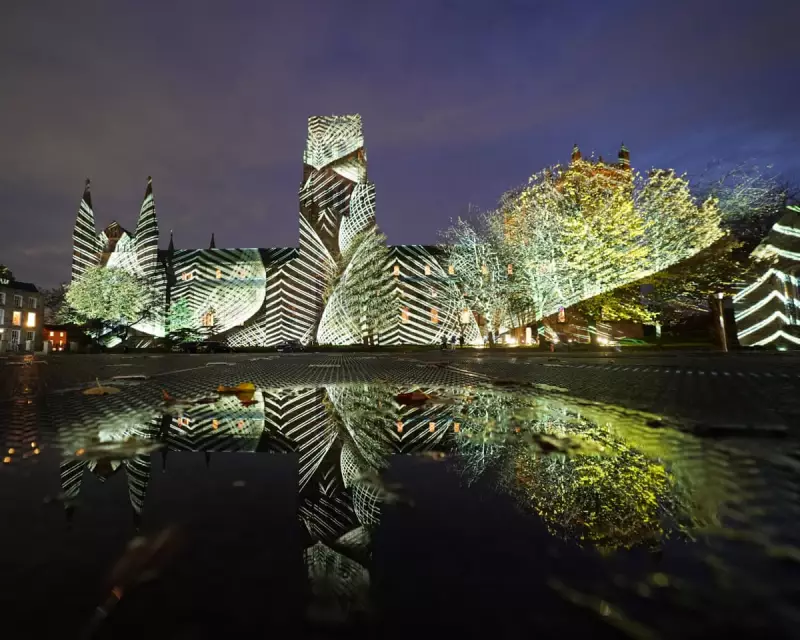
The UK's cultural landscape has dimmed with the final closure of Durham's celebrated Lumiere festival after fifteen remarkable years. This biennial light extravaganza transformed the historic city into a breathtaking canvas of illumination and art, drawing international artists and audiences alike to the North-East.
Since its inception in 2009, Lumiere brought more than 250 global artists to work within Durham's extraordinary setting. The festival achieved staggering reach, engaging over 1.3 million visitors and pumping an impressive £43 million into the local economy. Nearly 14,000 local residents participated in community projects connected to the event.
A Broken System: The Wider Arts Crisis
The cancellation of Lumiere represents more than just the loss of a single festival - it signals the accelerating collapse of Britain's cultural sector. The supporting infrastructure has been systematically weakened by decades of neglect and funding cuts.

Arts Council England has seen its government investment slashed by 32% in real terms since 2010. The situation reached crisis point earlier this year when the Council's main grant-giving platform collapsed, remaining offline for four months. Unlike major corporations that receive government bailouts, the arts sector received only technical advice without financial support.
Local authorities, themselves crippled by central funding reductions, face impossible choices between essential services and cultural provision. When forced to decide between social care and sculpture, or bin collections and ballet, the arts inevitably lose out.
Budget Tipping Point and Political Neglect
As the autumn budget approaches on November 26, industry leaders warn of a potential catastrophe. Multiple support mechanisms are disappearing simultaneously: business rates relief for cultural buildings expires soon, while the Shared Prosperity Fund that replaced EU regional support is winding down.
The contrast with sports funding highlights the government's priorities. While £500 million was allocated for three major sporting events plus an additional £400 million for grassroots facilities, Culture Secretary Lisa Nandy's claim that "sport tells our story" ignores the profound narrative power of the arts.
Helen Marriage argues compellingly that art provides essential connection across time and place. In Durham, the festival created moments where strangers stood side-by-side in shared wonder, unified by light and creativity rather than divided by difference.
Beyond Economics: The True Value of Culture
While the financial arguments for arts investment are compelling - the sector contributes £10 billion annually to the UK economy and generates £2.8 billion in taxation - the intangible benefits matter equally.
As Marriage emphasises, we can count jobs and economic returns, but we cannot quantify wonder, inspiration, or the profound experience of standing in a crowd moved by collective awe. Funding culture isn't a favour - it's an investment in imagination, shared experience, and our national identity.
With Lumiere now extinguished, Durham faces darker winters ahead. Unless the government recognises culture as essential infrastructure worthy of investment equivalent to sport or science, more beloved institutions will inevitably follow the festival into darkness.