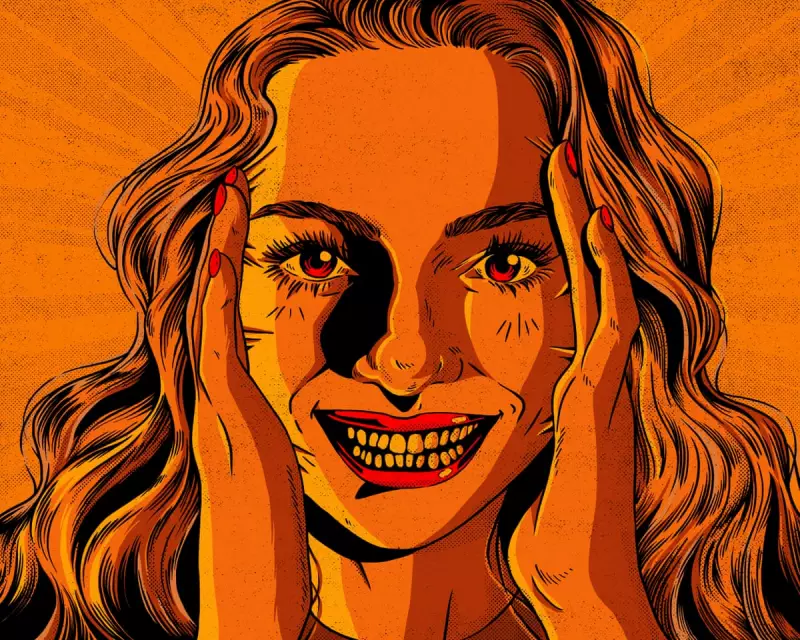
At 36 years old, a woman finds herself caught in a modern beauty dilemma: she doesn't need or want a facelift, yet increasingly feels pressured to consider one. This internal conflict reflects a broader cultural shift where cosmetic procedures once reserved for older women are becoming normalised for those in their mid-thirties.
The Rising Tide of Younger Patients
The statistics reveal a startling trend. Since the pandemic began, facelift procedures in the United States have increased by 17%, while Google searches for "facelift" have doubled. According to New York-based plastic surgeon Dr Robert Schwarcz, patients are now seeking these procedures a decade younger than before the pandemic, with many arriving in their mid-30s rather than their mid-40s.
Celebrity culture has played a significant role in this normalisation. Public figures including Kris Jenner (70), Catt Sadler (51), and Vanessa Giuliani (36) have openly discussed their procedures. On her latest album, Lily Allen, 40, sings about booking a facelift, while actor Jennifer Lawrence, 35, recently told the New Yorker she plans to get one. The trend has spread beyond the famous to include real estate agents, gym-goers, and young women using payment plans to fund their surgeries.
The Psychology Behind the Desire
This phenomenon can be understood through philosopher René Girard's 1961 theory of "mimetic desire" - the concept that all human desire is derivative. We want things because other people want them. As Girard scholar James Alison noted, mimesis "is to psychology what gravity is to physics": powerful, unavoidable, and universal.
Technological advancements have accelerated this trend. New facelift techniques promise less invasive procedures, more natural results, subtler scars, and faster recovery times. The availability of "Buy Now Pay Later" financing options has further lowered barriers to access, democratising procedures that were once exclusively for the wealthy.
The "cosmetic transparency" movement, where celebrities openly share their procedures, has destigmatised cosmetic work while providing blueprints for achieving celebrity-level beauty. Dr Ari Hoschander, a New York-based plastic surgeon, believes this growing openness is driving younger patients to seek these interventions.
The Hidden Dangers and Social Costs
Beyond the aesthetic risks of a "botched" outcome, facelift surgery carries significant medical complications including hematoma, infection, nerve damage, hair loss, scarring, deep vein thrombosis, pulmonary embolism, and in extremely rare cases, death.
The psychological impact is equally concerning. A 2022 paper in the Aesthetic Surgery Journal revealed that adverse psychological reactions occur in about 50% of facelift patients, with depression and anxiety being the most common.
Financially, procedures can range from $8,500 to $200,000 - money that could otherwise fund a house down payment, a car, extensive travel, years of psychoanalysis, or substantial donations to organisations like the National Center to Reframe Aging.
Facelifts also perpetuate ageist, classist beauty norms while doing little to challenge the systems that create these pressures. As political philosopher Dr Clare Chambers notes, "individual acts of conformity can strengthen these norms", making individual resistance particularly meaningful.
Ultimately, there's something fundamentally unsettling about a beauty culture that convinces people to surgically remove their facial skin and reattach it tighter. While judgment might seem harsh, it's an unavoidable human response - and perhaps finding facelifts at 36 strange is more reasonable than finding the natural aging process strange.