Social media platforms are currently awash with a powerful wave of nostalgia, transporting users back to the distinct aesthetic and cultural landscape of 2016. From grainy sunset photos and flower crown selfies to the resurgence of millennial pink hair and olive-green utility jackets, the digital sphere is indulging in rose-tinted echoes of a bygone era.
The Hallmarks of a 'Last Good Year'
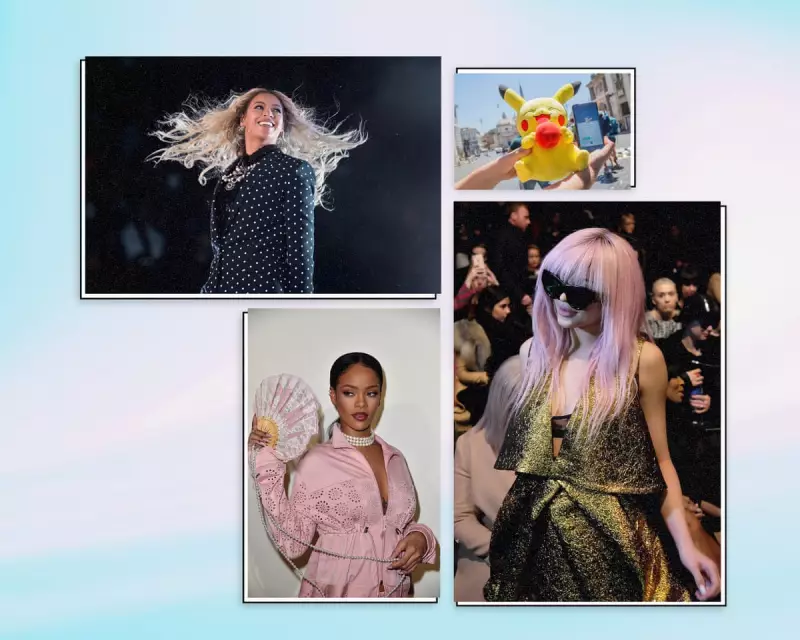
This trend is inescapable. Publications like Harper's Bazaar have labelled 2016 as "the last good year," a sentiment echoed by figures from Nobel laureate Malala Yousafzai to countless influencers. The era's unofficial poster girl, Kylie Jenner, fuelled the fire by sharing iconic throwbacks, captioned "You just had to be there." The look was defined by thigh-high boots, T-shirt dresses, full-glam makeup, and the omnipresent plastic choker.
Pop culture in 2016 offered a potent mix. It was the year of Beyoncé's seminal 'Lemonade', Rihanna's 'Anti', and the global phenomenon of Pokémon Go, which briefly united people outdoors. We were watching Stranger Things for the first time, and Coachella still held its cool factor. For many coming of age then, it represented a final burst of optimism before the world shifted.
The Bitter Reality Behind the Filter
However, this nostalgic haze often overlooks the year's profound global turmoil. 2016 was the year that kicked off Brexit and saw Donald Trump's election move from a joke to a terrifying reality. It also marked a devastating series of celebrity deaths, including David Bowie, Alan Rickman, Carrie Fisher, Prince, and George Michael. The #MeToo movement was still a year from breaking ground, and the girlboss trend began muting the colourful, experimental fashion of the early 2010s into something more corporate.
As the article's author, Eleanor Burnard, questions: was this not the year that ignited the divisive political landscape we inhabit today? The romanticism is potent, especially with images draped in pink-hued filters, but it risks sanitising a complex and often traumatic period.
A Coping Mechanism for a Chaotic Present?
This collective look backward may be a direct response to our current chaotic climate. The 2020s have been characterised by relentless upheaval, making the seemingly simpler thrills of 2016—like avocado toast as a novelty—deeply appealing. It represents a time before many realised how scary the world could become, so quickly.
Yet, losing oneself entirely in the past is not a sustainable coping strategy. There is an argument that the sheer awfulness of 2016's events made many more resilient and aware of injustice. Furthermore, great art continues to be made today. This bout of wistfulness could be a therapeutic reset, a way to process the present by re-examining the recent past, provided we learn from its mistakes.
Perhaps the ultimate lesson is that we are already shaping the nostalgia of the future. 2026 may yet become another beloved year in our cultural memory—we simply haven't lived through it yet.