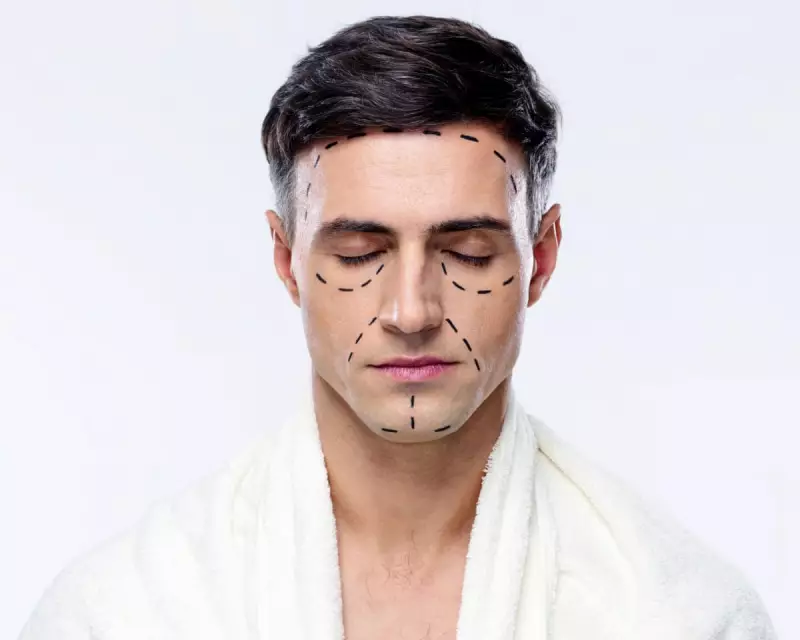
The internet has ushered in what many describe as a golden age of techno-vanity, where self-improvement is just a click away. Yet, this digital landscape has also birthed darker phenomena, with the odious trend of 'looksmaxxing' emerging as a natural nadir of our collective obsession with avoiding ugliness. This movement, particularly among young men, involves extreme physical modifications that blur the line between enhancement and self-harm.
The Time-Honoured Tradition of Self-Dissatisfaction
Take a moment to glance in the mirror. Did you like what you saw? Chances are, you spotted flaws—a bit of puffiness, a conspicuous blemish, or signs of aging. These feelings of disappointment are nothing new; they are a time-honoured tradition. However, today's world offers unprecedented means to 'fix' perceived imperfections. From GLP-1 injections for rapid weight loss to plastic surgery, Botox, fillers, and Turkish hair transplants, self-improvement has become accessible, albeit often painful and expensive.
Looksmaxxing: A Fetid Petri Dish of Extremes
Within the fetid petri dish of online communities, looksmaxxing has taken hold among otherwise functioning individuals. To be a looksmaxxer is to deliberately carve up one's face, inject steroids, and even use substances like crystal meth to suppress appetite. Alarmingly, this trend is not just about physical transformation; it often comes laced with racism, promoting fictional European ideals that echo eugenicist undertones.
It is bad enough that someone might smash their jaw to resemble a movie character, but doing so to embody a racially homogenised standard adds a troubling layer. The pursuit of bodily perfection in this context frequently involves dangerous drugs and extreme measures, raising serious health and ethical concerns.
The Influence of Youth in the Digital Age
One of the most prominent figures in the looksmaxxing community is 19-year-old Braden Peters, who goes by the moniker 'Clavicular.' Recently, on a Daily Wire podcast, Peters referred to Vice-President JD Vance as 'subhuman' and expressed a preference for Gavin Newsom in a hypothetical 2028 presidential election, citing Newsom's height and classical handsomeness. This highlights a broader issue: the attention economy of the internet empowers voices too young to rent a car, yet influential enough to shape perceptions.
As the author notes, having an eight-year-old who eats chicken nuggets and wears Crocs daily puts this into perspective. If given a platform, even a child could sway a generation, underscoring the perils of taking advice from inexperienced youth in matters of identity and aesthetics.
Modelling a Different Masculinity
Amid this digital insanity, parents face the challenge of modelling healthier forms of masculinity. The author advocates for embracing natural aging—going bald, gaining weight, and focusing on life's richer experiences, like reading books or watching films. This 'real unc behavior' rejects the chase for mythical aesthetic perfection in favour of authenticity.
Being ugly, as the author argues, is easier. Chasing perfection is not only difficult and costly but also unfulfilling, as true perfection remains unattainable. It involves risks, from financial strain to physical pain and drug use, with social media attention as a fleeting reward—a pursuit many outgrow, much like skinny jeans or certain music trends.
A Legacy of Contentment Over Conformity
History shows that 'ugly' people have often held power, from Napoleon to Churchill, who looked 'like a bald mole seeing sunlight for the first time.' The energy spent on becoming conventionally attractive could instead fuel positive change, artistic creation, or simply rest. The legacy worth passing down is one of loving, living, and occasionally dozing off after a hearty meal—a form of perfection far more achievable than any digital ideal.
In a world obsessed with looks, the looksmaxxing trend serves as a stark reminder of the toxic extremes vanity can reach. By rejecting these pressures, we might just find a simpler, more fulfilling path forward.