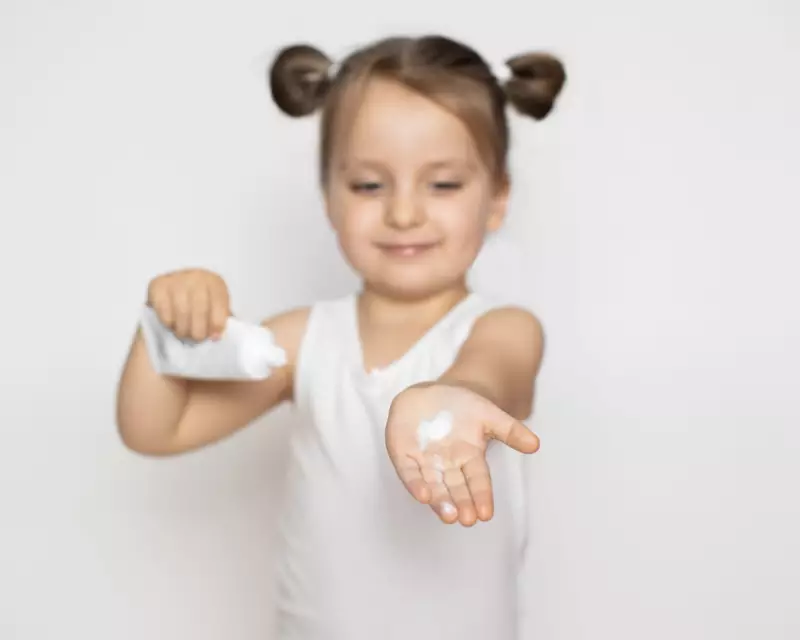
The Alarming Rise of Beauty Products for Young Children
A disturbing new trend has emerged in the beauty industry with the launch of Rini, a skincare brand specifically targeting children as young as four years old. The company's flagship product is a Korean-made hydrating facial mask infused with vitamin B12 - a compound typically used in adult skincare to improve elasticity and skin texture. Marketing materials show preschool children demonstrating the peel-on application process in a manner that echoes adult beauty routines.
Where Is This Demand Coming From?
Rini arrives shortly after the phenomenon of 'Sephora kids' - a term describing preteen children's intense attachment to high-end beauty stores and their sometimes harsh products. While children certainly don't need skincare products, the demand appears to be coming from the children themselves rather than just pushy marketing. Consultant dermatologist Dr Alexis Granite confirms she's seeing tweens and teens with skin reactions from using inappropriate creams.
The situation raises difficult questions for parents. As one mother reflects, children have always engaged in role play mimicking adult behaviours - whether playing with kitchens, dolls, or water pistols. Yet beauty play feels different, particularly because these products are aimed almost entirely at girls and carry implicit connections to appearance standards that typically emerge much later in life.
The Bigger Picture: Society's Impossible Standards
This trend reflects broader societal pressures where women feel compelled to look younger while teenagers strive to appear older. Now, shockingly, these impossible standards appear to be affecting four-year-olds. As Miranda July's narrator in All Fours observes, "so much of what I had thought of as femininity was really just youth."
While some argue that introducing children to adult rituals in controlled, Fisher-Price-style environments might prepare them better for adulthood, the emotional charge surrounding beauty rituals makes this different. Dr Granite notes that while she doesn't support young kids using inappropriate skincare, the concern isn't just the products themselves but setting up children for years of feeling self-conscious about their skin.
The most troubling aspect may be how consumer capitalism increasingly leaves no age group untouched, creating demand where none naturally exists and potentially robbing children of their childhood innocence in the process.