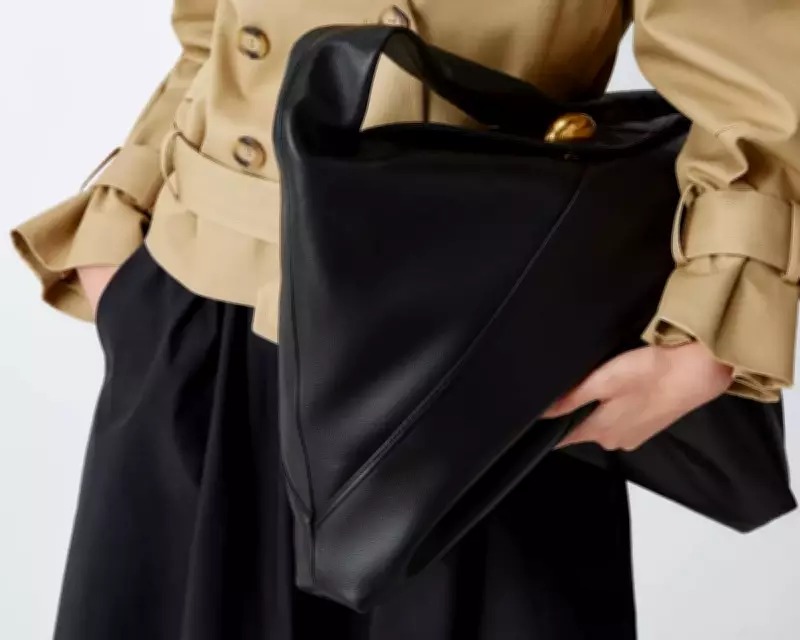
John Lewis's Intentional Tote: The 'Good Intention' Bag Redefining Practical Luxury
In a surprising twist for the fashion world, the latest It bag isn't a multi-thousand-pound creation from a luxury maison like Hermès, but a £149 tote from John Lewis. Launched this season, the Intentional tote bag stands out with its dimensions: it's deeper at 45cm and taller at 33cm compared to standard handbags. This design isn't just about aesthetics; it's loaded with good intentions, capable of holding essentials like a packed lunch, flask, book, and even gym kit in a pinch.
The Rise of the 'Good Intention' Bag
According to Carrie Cooper, John Lewis's senior footwear and accessories designer, the Intentional tote is "an all-day bag" that balances functionality with style. She explains, "You can fit your spare shoes, snacks, and water bottle in, but rather than a more practical and functional tote, this feels more 'intentional' and a decision rather than a basic shopper." The bag is described as "oversized but not structured," offering a sleek alternative to bulkier options.
This trend of "good intention" bags is sweeping the market, with designs often deeper and less wide than traditional totes. Brands are embracing this shift: Marks & Spencer offers suede and ruched drawstring versions, Jigsaw markets its iteration as a "shopper," and Me+Em caters to working women with a 36.5cm-long "soft day bag." Even California's Gramicci has entered the fray with a gorpcore-inspired 40-litre ripstop tote, while the Pacific Tote Company in LA produces sturdy canvas versions favored by celebrities like Anthony Hopkins and Alexa Chung.
An Antidote to Tote Fatigue
The good intention bag serves as a practical solution to the common dilemma of carrying multiple bags—a stylish handbag for appearance and a tote for necessities. It also addresses the growing issue of tote fatigue. As Duffy Culligan, co-founder of Pacific Tote Company, notes, "I think there's a real 'tote fatigue' happening right now. Everyone's cities are flooded with flimsy promotional bags." He points out the irony of reusable totes, many of which are cheaply made and fall apart quickly, undermining their sustainable claims.
Historically, cotton totes were hailed as eco-friendly alternatives to plastic bags, but the UN environment programme reveals they need 50 to 150 uses to offset production, with less than 10% used more than three times. The good intention bag, with its durable design, aims to be a genuinely reusable option, moving beyond the fleeting trend of branded totes that once signaled cultural allegiance but now feel performative.
Cultural and Social Implications
Bags have long been symbols of gender, class, and power, and this new trend is no exception. Bridget Dalton, a semiotician at Truth Consulting, observes that big bags are becoming more gender-neutral, citing David Beckham's recent use of a large Hermès bag in Paris. She says, "They're a sartorial stride towards equality; men and women carrying the same stuff." This shift challenges past perceptions where capacious bags were seen as déclassé, as highlighted by the "ludicrously capacious" insult from Succession.
Dalton explains that carrying a lot of stuff has historically been a working-class necessity, making the good intention bag a nod to self-reliance and practicality. It rejects the frivolity of trends like the tiny handbags of the late 2010s, which were often impractical. Instead, as Dalton puts it, "It's a statement that says my identity is not contingent upon other people doing stuff for me. I can be luxe, practical, and unpretentious at the same time."
In summary, John Lewis's Intentional tote is at the forefront of a fashion movement that values functionality without sacrificing style, offering a smart alternative to disposable totes and redefining what it means to carry a bag with purpose.