Greenland's Anorak: A Symbol of Tradition, Not a Fashion Statement
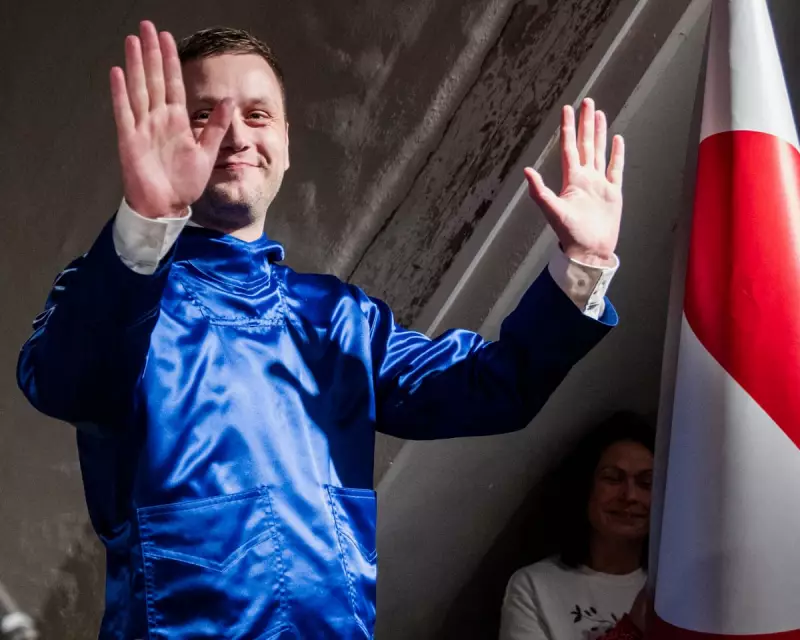
A recent article discussing windbreakers as a trend in turbulent times has sparked a thoughtful response from a Greenlandic perspective, shedding light on the cultural significance of the anorak in Greenland. The piece referenced Greenland's prime minister, Jens-Frederik Nielsen, wearing a glacial-blue windbreaker, suggesting it conveyed a loaded and striking message. However, this interpretation misses the mark according to local customs.
The Anorak as Formal Attire in Greenland
In a letter to the editor, Salik Rosing from Elsinore, Denmark, clarifies that the anorak is not a fashion statement or a tool for sending political messages. Instead, it is considered formal wear in Greenland, deeply embedded in the cultural fabric. Greenlanders use anoraks for a wide range of special occasions, from weddings and a child's first day of school to the state opening of parliament. When Prime Minister Nielsen dons his blue anorak, it is akin to a European leader wearing a suit—a sign of respect and tradition, not a deliberate act of communication.
Rosing emphasises that existing as a non-European person should not be seen as a statement in itself. This perspective challenges the tendency to overanalyse attire through a Western lens, highlighting the importance of understanding cultural contexts without imposing external narratives.
A Light-Hearted Note on Terminology
Adding a touch of humour to the discussion, Colin Parish from London chimes in with a playful remark about the terminology. He notes that windbreakers were once commonly called "windcheaters" in the UK, showcasing the evolving language around everyday items. This comment serves as a reminder of the regional variations in vocabulary that can add colour to such conversations.
Broader Implications for Cultural Understanding
This exchange underscores a broader issue in global discourse: the need for sensitivity and awareness when interpreting symbols from different cultures. In an era where fashion and politics often intersect, it is crucial to recognise that what might appear as a trend or statement in one context can hold deep traditional value in another. The anorak in Greenland is a prime example of how attire can embody heritage and identity, rather than merely following fleeting fashion currents.
As debates around cultural appropriation and representation continue, this letter serves as a poignant reminder to approach such topics with nuance. It encourages readers to look beyond surface-level interpretations and appreciate the rich histories behind everyday practices. Whether it's an anorak in Greenland or a suit in Europe, understanding the cultural significance of attire can foster greater respect and inclusivity in our interconnected world.