For one dedicated gamer, retro gaming represents the true future of video games, offering a refreshing alternative to what they see as a modern industry in crisis. As we move through January 2026, the landscape appears bleak, with major retailers like GAME facing potential collapse, publishers such as Ubisoft struggling, and disappointing console sales over the festive period. This paints a troubling picture of an industry that has lost its way, becoming increasingly disconnected from the very players it aims to serve.
A Shift Away from Traditional Gaming Values
Many publishers now seem reluctant to invest in large-scale triple-A titles, focusing instead on a handful of live service games annually while neglecting smaller projects. This trend points towards a future with fewer single-player experiences, increasingly expensive hardware, and a market saturated with subscription models and endless live service offerings. While this direction has been evident for some time, the rapid developments early in 2026 suggest the situation may deteriorate further in coming months.
Rediscovering Joy Through Classic Consoles
In response, this gamer has wholeheartedly embraced the growing trend of retro gaming, finding immense pleasure in revisiting older titles rather than chasing new releases. This journey has not only been tremendously enjoyable but has also served as a powerful reminder of what made video games special in the first place, highlighting how much has been lost over recent decades.

Their gaming origins trace back to the Super Nintendo Entertainment System (SNES), following an early childhood encounter with a Commodore 64 that left little lasting impression. The SNES remains wonderfully accessible today, particularly through services like Nintendo Switch Online + Expansion Pack, which offers extensive libraries including Sega Mega Drive titles alongside Japanese exclusives and obscure gems.
The Allure of Sega's Hidden Treasures
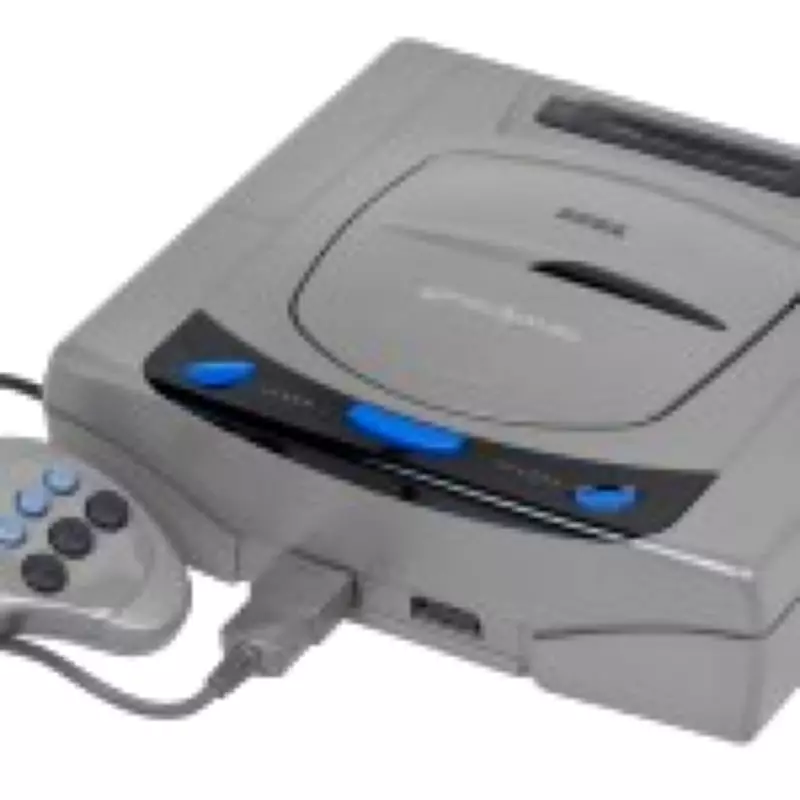
Currently, their fascination lies with the Sega Saturn and Dreamcast consoles. The Saturn presents a particularly intriguing case for collectors, having achieved significant success in Japan while failing commercially elsewhere. This unique history resulted in numerous high-quality Japanese exclusives that never reached Western audiences, creating a treasure trove of undiscovered classics.
The process of researching these games has proven almost as rewarding as playing them, with favourites including the ninja adventure Shinrei Jusatsushi Tarōmaru, mech combat title Bulk Slash, the now-celebrated shooter Radiant Silvergun, its companion Sōkyūgurentai, and Sonic-inspired platformer Tryrush Deppy. While acquiring these in good condition can be costly, patience and knowledge can make collecting surprisingly affordable.
The Satisfaction of Physical Ownership
There is profound satisfaction in physically owning games, displaying them proudly on shelves, rather than paying premium prices for digital licenses or facing constant pressure to purchase cosmetic items in supposedly free-to-play titles. This tangible connection to gaming history stands in stark contrast to modern practices that often feel transactional and ephemeral.
As disillusionment with contemporary gaming grows, passion for retro experiences continues to deepen. There exists an entire universe of overlooked classics waiting to be discovered, promising longevity that may well outlast the current triple-A industry before its potential implosion. For this gamer, the past truly holds the key to gaming's future.