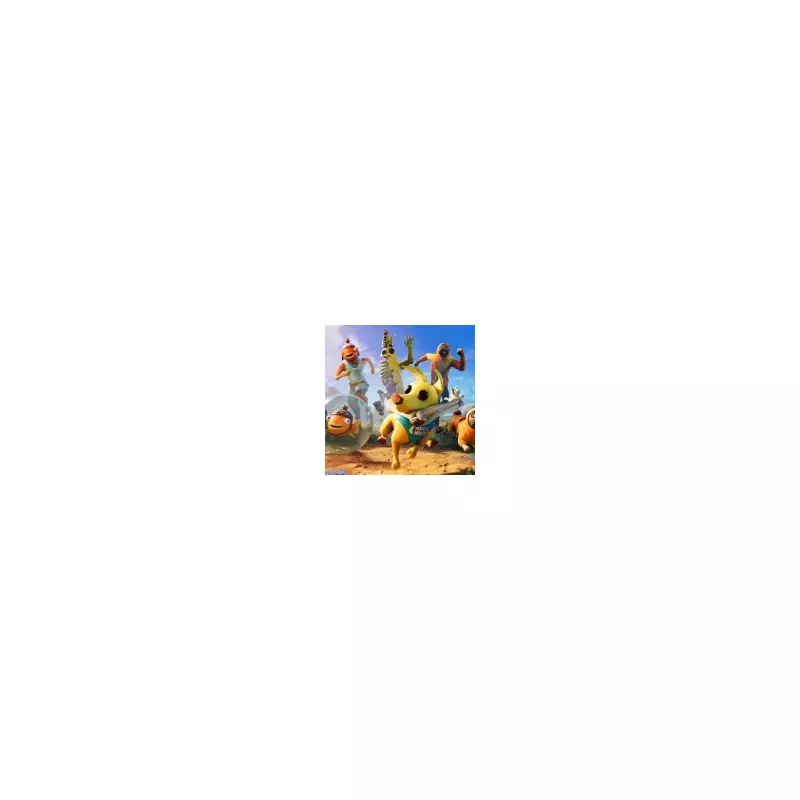
In the evolving landscape of video games, a compelling argument is emerging: older, experienced gamers carry a responsibility to guide the younger generation towards a richer, more diverse gaming culture.
The Dominance of Free-to-Play Titles
A recent reader feature for GameCentral, published on November 29, 2025, highlights a growing trend. Younger players are increasingly dedicating their time to a narrow selection of free-to-play games, such as Fortnite and Minecraft. This shift coincides with industry reports showing a decline in the purchase of new games, with many players sticking to titles that are five years old or more.
The writer expresses concern over a recent story revealing that most children would prefer in-game currency for virtual cosmetics over physical gifts at Christmas. While acknowledging personal preference, the feature argues that this narrow focus likely stems from a lack of exposure to other gaming experiences, not a genuine dislike for them.

The Barrier of Cost and Access
The soaring price of triple-A games, now often reaching £70, presents a significant hurdle. For a young person or student, keeping up with annual releases like Call of Duty or EA Sports FC is financially daunting. This economic reality is partly driving the popularity of indie games, which offer imaginative experiences at lower price points.
However, the reader notes that even the vibrant indie scene can be difficult to navigate for someone whose entire gaming world is defined by a single free-to-play title. The feature points to the recent announcement of Halo for PlayStation 5 and the subsequent questions about whether younger audiences even recognise the franchise as a warning sign. If classic and diverse games fade from pop culture consciousness, their future development is threatened.
A Call for Parental Guidance in Gaming
We are at a unique point in history where nearly every parent has grown up with video games. Unlike decades past, parents now possess the foundational knowledge to curate gaming experiences for their children. The reader argues against relying on phones and tablets as 'free babysitters,' which can limit a child's perception of what gaming can be.
Instead, parents are encouraged to actively introduce age-appropriate titles. Games from Nintendo, the Lego series, and Ratchet & Clank are cited as excellent starting points. This is framed not as imposing personal taste, but as providing a crucial grounding in the medium, much like parents do with music and film.
The piece concludes by stating that giving children a head start in life includes exposing them to art, and video games are unequivocally a part of that category. It is positioned as an act of good parenting to open the door to the vast, creative world of gaming that exists beyond the free-to-play horizon.