A Yazidi Survivor's Harrowing Journey from Captivity to Publication
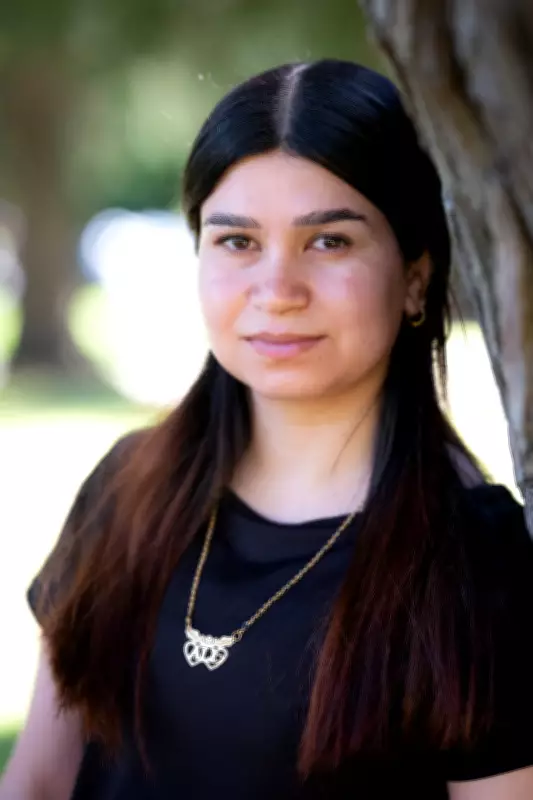
Amera, a Yazidi woman now living in Australia, has published a powerful book detailing her family's kidnapping by Islamic State militants in 2014. The book, titled For Ali, For Us All: Messages From Captivity, compiles secret letters she wrote to her lost brother, Ali, during eight months of captivity. These handwritten notes, originally in Kurmanji and translated to English, chronicle the violence, separation, and eventual three-day escape she endured alongside other Yazidi women and children.
The Day That Changed Everything
On August 4, 2014, Amera was just 11 years old, sitting under her grandmother's fig tree in Solagh, a village in Sinjar, northern Iraq, with her brother Ali. As Islamic State fighters arrived in five cars, barking orders to separate females and males, she was pulled away from her brother. That was the last time she saw him. Amera recalls his parting words: "He told me, 'my heart always be with you.'" She is one of over 6,000 Yazidi women and children kidnapped and enslaved by IS, part of a genocidal campaign that displaced thousands.
Writing as an Act of Defiance and Hope
During her captivity, Amera began writing letters to Ali on found pens and paper, hiding them under desks, in her socks, and in her mother's pockets. She wrote from locations like a school in Tal Afar, where she was imprisoned with 70 others, and Badush central prison, a site of a UN-recognized war crime. "I wrote because I was scared, but also because I had hope. I believed that maybe, one day, someone would read my words and understand what ISIS did to us," she says in the book. When an IS fighter discovered her writing, he burned a letter in front of her, but she persisted, driven by a need to document the atrocities.
Escape and Resettlement in Australia
In April 2015, on her 12th birthday, Amera escaped on foot to Sinui, a Yazidi town in Sinjar, gaining freedom after months of captivity. Her family then spent four years in Iraqi refugee camps, facing food shortages she describes as "harder than Isis captivity." In 2019, they relocated to Armidale, New South Wales, Australia, where many Yazidi refugees have settled. Now 22, Amera is studying law at university, but the trauma of IS slavery lingers, impacting her daily life.
Advocacy for Missing Yazidis
Amera's focus remains on advocating for the estimated over 2,700 Yazidis still missing a decade after IS's rampage. She calls for increased international attention, including from Australia, to investigate their whereabouts. "We just need to know the truth about our loved ones. Where is Ali, what happened to him?" she emphasizes. Her book serves as a testament to resilience, with illustrations by her cousin, Suad Smo, who was also held captive. Amera frequently re-reads her letters, feeling Ali's presence: "Each time when I'm trying to read them, I feel Ali is beside me and he's listening to me."
This story highlights the ongoing struggles of Yazidi survivors and the importance of global awareness in addressing human rights violations. Support resources are available for those affected by similar traumas worldwide.