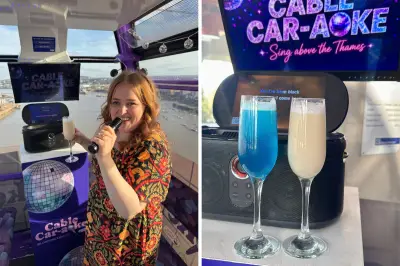
In an era where traditional names like John and Mary are increasingly giving way to unconventional choices, 23-year-old musician Peach Martine represents a growing generation embracing distinctive identities through their names. Despite occasional challenges with being taken seriously, Martine credits her unusual name with helping her stand out in the competitive music industry.
The New Landscape of Baby Naming
Statistical evidence confirms this shift toward individuality in naming. According to Office for National Statistics data, 64,560 unique names were registered in the UK during 2023 – double the figure recorded in 1999. This trend mirrors patterns observed in the United States, where analysis of 325 million babies born between 1880 and 2007 revealed a steady decline in common names since 1983, with the most significant change occurring during the 1990s.
Kevin Schürer, researcher at the Cambridge Group for the History of Population and Social Structure, explains: "What we've really seen in the last 20-odd years is that anything goes. Parents are moving away from a standard stock of names toward more individualistic choices, often inspired by popular culture."
Celebrity Influence and Global Trends
Celebrity culture has significantly accelerated this naming revolution. High-profile examples include Rihanna and A$AP Rocky's children named Riot, RZA and Rocki, while rapper Cardi B chose Kulture for her daughter. The trend extends to YouTube personality Trisha Paytas, who named her children Malibu Barbie, Elvis and the recently born Aquaman.
This movement toward unique names has become so pronounced globally that some governments have intervened. Japan recently clamped down on 'kirakira' (shiny or glittery) names after parents named children after brands, famous characters including Pokémon's Pikachu, and even chose names meaning 'devil'.
The Professional and Personal Impact of Names
Research increasingly demonstrates that names can significantly influence life outcomes. A 2020 study published in Strategic Management Journal analysed CEO names across 1,172 public firms over 19 years, finding that executives with unusual names were more likely to pursue innovative strategies that deviated from industry norms.
David Figlio, economics professor at the University of Rochester, discovered through his research that names can trigger different outcomes from childhood. "American boys with names that sound more feminine were more likely to display behavioural issues in grade 6," he notes, "while girls with masculine names like Morgan and Taylor were more likely to pursue advanced studies in science and maths."
The phenomenon of nominative determinism – where people gravitate toward careers matching their names – has been documented in cases like BBC weather presenter Sara Blizzard, poker champion Chris Moneymaker, and orthopaedic surgeon Mr David Limb.
The Business of Baby Naming
As names gain recognition for their importance, a professional naming industry has emerged. Taylor Humphrey's company What's in a Baby Name charges over $1,500 for potential name lists, while her premium "baby name branding" service costs $30,000. Online platforms including Nameberry, My Name for Life and Namerology coach parents through the naming process, while TikTok influencers like Emily Kim have built careers predicting celebrity baby names.
Duana Taha, author of The Name Therapist, suggests that "a name says less about the person and more about the people who named them." She observes that children with unusual names often develop stronger self-advocacy skills because "they're already getting more attention that they didn't necessarily choose."
Discrimination and Legal Boundaries
Despite growing acceptance of unique names, discrimination persists. A 2023 King's College London study conducted in Australia revealed stark disparities in job application responses. While 26.8% of applications with English names received positive responses for leadership roles, only 11.3% of identical applications with non-English names received similar consideration.
Most countries maintain some naming restrictions. The UK Deed Poll Office rejects names likely to cause ridicule, including Martian, King and Monkey. In 2016, a court ruling prevented a Welsh mother from naming her twin Cyanide. Germany bans Adolf Hitler and Osama Bin Laden, while the United States prohibits 11 names including Jesus Christ and Santa Claus.
Looking Forward: The Future of Naming
Peach Martine believes the trend toward unique names will continue, particularly among Generation Z. "We grew up with so many interesting names in books and TV shows that I would be surprised if gen Z didn't continue naming their kids from popular series," she says, noting the influence of characters like Eleven from Stranger Things.
Despite occasional challenges with jokes and misunderstandings – "I've had my name for 23 years, so that's more than 20 years of listening to jokes" – Martine represents a generation increasingly comfortable with distinctive identities. As naming continues to evolve, the conversation shifts from tradition to expression, reflecting broader social changes toward individuality and self-definition.