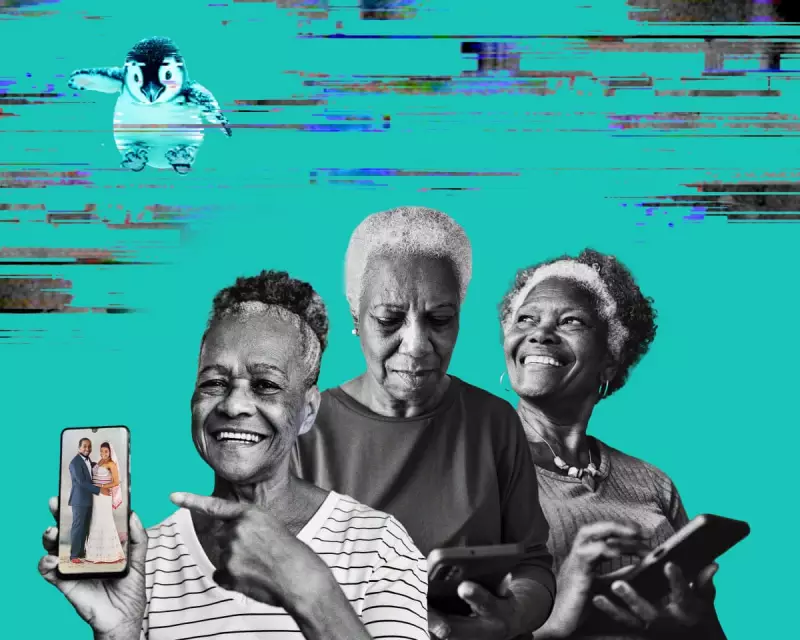
For anyone with older relatives in family WhatsApp groups, the deluge of forwarded content is a familiar ritual. But a journalist's recent, personal encounter with sophisticated artificial intelligence (AI) fabrications has highlighted a pressing new challenge: the rise of the 'AI Auntie'.
The Unsettling Shift from WhatsApp to AI Aunties
The author, who regularly debates media literacy with older family members, describes a humbling moment of being fooled by AI-generated material. This experience has reframed their approach to the holiday season, viewing it as a key opportunity to engage more sensitively with the influential matriarchs often dubbed 'WhatsApp Aunties'.
In one vivid example, a group of women displaced from Sudan by war maintains a constant, virtual 'control room'. They use WhatsApp to simulate the daily interactions they would have shared back home, operating with almost formal 'office hours'. Their broadcasts are a relentless stream of morning greetings, religious graphics, hard news clips from conflict zones, political debates, and lighter family content like wedding videos and celebrity gossip, all punctuated by lengthy, prayer-filled voice notes.
The problem, however, is twofold: the sheer volume strains phone storage, and an increasing amount of the shared content is fabricated. What began with harmless fake videos of cats hugging babies has escalated. The author points to a convincing deepfake of Taylor Swift apparently endorsing the pro-Palestine movement as content that is impossible to ignore.
Why Challenging Fake News is Fraught and Essential
Correcting these aunties often backfires. They may take it as a personal insult, doubling down on the content, or they genuinely struggle to reconcile the internet's wild west with the trusted broadcast standards of their youth. Comedian Ola Labib argues in her show 'Subway Takes' that we should let elders have their 'little comforts'.
Yet there is an emotional toll in watching relatives become 'slightly addled' by device addiction and misinformation, which can feel like a window into premature cognitive decline. More critically, aunties in diaspora communities wield formidable 'disseminative power'. As enforcers of values, community organisers, and social gatekeepers, they are powerful forces. When they spread politically inflammatory or conspiratorial AI fakes unchallenged, they actively degrade the information ecosystem with real-world consequences.
A Kinder Guide to Digital Intervention
The solution is persistent, compassionate conversation, not frustration. The author suggests first acknowledging the content ('really cool!') before gently questioning its authenticity later. Equip aunties with practical 'tells': look for video glitches, unnatural shadows, or strange blinking patterns in supposed real footage.
It is vital to understand their perspective. The world is changing at a disorienting speed, and elders are navigating loneliness, lost identities after retirement, and physical distance from family. Sharing online content is a new 'phatic' language—a primary way of maintaining connection.
The author's final warning is a sobering equaliser: AI is now so advanced that even the digitally savvy can be duped. After days searching for an impressive singer, they discovered the artist, album art, and music video were entirely AI-generated. 'It will happen to all of us,' they write. 'Welcome me to the aunties brigade. Please be kind. Break it to me gently.'