The South Bank skatepark, an iconic undercroft at London's Southbank Centre, celebrates its 50th anniversary this year. A new exhibition, Skate 50, honors its legacy as a haven for skateboarders since the 1970s, highlighting its cultural impact and community spirit.
A Haven Born by Accident
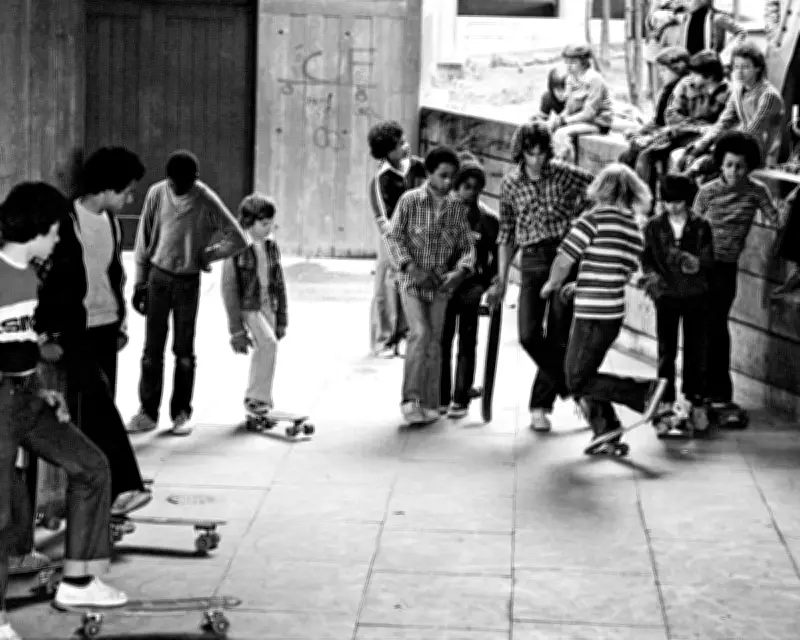
Shane O'Brien first skated at the Southbank Centre in 1975 at age 10. To become a true "Southbanker," he underwent a ritual in 1983: senior skaters launched him into the Thames. Now in his 60s, O'Brien calls the South Bank his second home. The skate spot emerged accidentally when the Queen Elizabeth Hall was built in the 1960s, leaving an open undercroft with concrete ledges and ramps. Local skaters discovered its potential in the mid-1970s, and it has been in use ever since. Even if you don't see them immediately, you'll always hear the skaters on the south-east side of the Thames.
Organic Growth of Skate Culture
Neil Ellis, skater and spokesperson for Skateboard GB, explains that skate spots often develop organically. "Most people see stairs or a bench, but skateboarders see opportunities to grind, slide, or jump," he says. As a kid, Ellis admired photos of the space in magazines and later visited to skate where his idols performed. The undercroft's brutalist architecture and riverside location add a "spiritual" quality, according to Cedar Lewisohn, curator at the Southbank Centre. He recalls his childhood visits as "pilgrimages" that opened up a world of visuals, clothing, and music.
Skate 50 Exhibition
To mark the milestone, the Southbank Centre presents Skate 50, developed with the local skateboarding community. The exhibition features archival footage, photography, and films, originating from workshops led by film-maker Winstan Whitter. Featured artists include Dan Magee, Jack Brooks, Palace Skateboards founder Lev Tanju, animator Sofia Negriand, and sound artist Beatrice Dillon. Lewisohn, who previously worked at the London Museum, Tate Britain, and Tate Modern, calls this show his first priority. "Working on this project reminded me of all the creative possibilities of skating," he says.
From California to London
Skateboarding as we know it was born in mid-20th-century California, where surfers sought an alternative to wave-dependent days. "Sidewalk surfing" evolved into skateboarding, dominating culture with magazines like The Quarterly Skateboarder (1964), Thrasher, and Big Brother. Skate fashion—Dickies workwear, Vans shoes, and layered tees—went mainstream. Skate videos, often shot on handheld camcorders, became an art form; director Spike Jonz began his career filming street skate videos and later drove the Jackass franchise. Skateboards reached the UK in the 1960s, but rain often dictates when skating happens. Many consider the Southbank Centre the birthplace of British skateboarding.
Community and Campaigning
The undercroft's survival is no accident. Skaters have relentlessly campaigned to protect it, especially when redevelopment threatened in 2013. The nonprofit Long Live Southbank fought and won, but legitimizing skateboarding remains an ongoing battle. "Skate spots are where we meet, create communities, and make friends," says Ellis. Many famous parks, like Palace's Mwadlands in Peckham and House of Vans in Waterloo, have closed. Yet the scene thrives. Skateboard GB conducted the first audit of UK skateable spaces, finding nearly 2,000 such areas, many under threat.
Skateboarding's Benefits and Inclusivity
Skateboarding offers physical activity, skill development, and community. O'Brien says, "I have an expansive skate family worldwide, known and loved for five decades." Interest surged after skateboarding's Olympic debut in 2020. "It's growing in popularity, especially with youngsters turned off by competitive sports," Ellis notes. Efforts to include overlooked groups—women, older people, beginners, people of colour, LGBTQ+ individuals—have multiplied. London Skate Mums, a WhatsApp group turned low-cost access provider, holds monthly sessions at the South Bank. Member Jardena says, "South Bank is iconic worldwide; it feels special but daunting." Another member, Aiwa, recalls a skater welcoming them: "Mums are always welcome here!" Jardena emphasizes, "Representation matters; if you don't see people like you, you don't realize there's room."
A Shift in Perception
Lewisohn hopes Skate 50 immerses visitors in skate culture's richness and highlights community importance. "Skaters model alternative ways to interact with urban space, questioning systems," he says. The exhibition lets skaters tell their own story. Once overpoliced and politicized, the South Bank is now immortalized in art. Whatever challenges lie ahead, skateboarding will not go without a fight. Skate 50 runs at the Queen Elizabeth Hall undercroft from 30 April to 21 June.