The Sheila's Return: How Bogan Feminism is Redefining Australian Pop Culture
In the opening lines of her song Security, Amy Taylor pleads, "Security, will you let me in your pub? I'm not looking for trouble, I'm looking for love." This request, delivered in her signature Aussie drawl, represents a bold departure from past decades when Australian musicians often masked their accents to break into international markets. For the Amyl and the Sniffers frontwoman, everything from her peroxide mullet to her proudly "bogan" background has become a defining hallmark of authenticity.
Reclaiming the Sheila Archetype
Taylor is not alone in this cultural shift. She is part of a growing wave of Australian pop cultural figures who are actively reclaiming the sheila archetype. Once a derogatory term popularized in the 1970s and 1980s to describe the female equivalent of a male bogan, the meaning of "sheila" is undergoing a profound transformation. According to tattoo artist Melanie Milne, "I think a while ago if someone called you a sheila it would have been derogatory. Whereas now, it's more of a badge of honour and a fuck you to the patriarchy. It's a new wave of bogan feminism. Like, yes, we are sheilas actually."
This resurgence is evident across various fields. World champion surfer Molly Picklum, known as the queen of stoke, drops f-bombs as frequently as she drops into the gnarliest waves on the planet. Groundbreaking Indigenous rapper Barkaa has turned lines like "I ain't cryin' over budoo unless that budoo makes me money" from her song King Brown into battle cries at sold-out shows. These women exemplify the modern sheila: they frequent pubs, wear denim, prefer cigarettes over vapes, banter about sport, and are unabashedly feminist and politically active.
Success in Male-Dominated Fields
A key trait of the modern sheila is success in stereotypically male-dominated arenas. From tattooing to extreme sports, these women are breaking barriers and redefining norms. They are fit rather than thin, likely play in local sports leagues, and listen to music by artists like Wet Leg, Panic Shack, Miss Kaninna, Camp Cope, Lambrini Girls, and Barkaa. Their influence has even reached global stars like Miley Cyrus, who experimented with the sheila persona during her Plastic Hearts era.
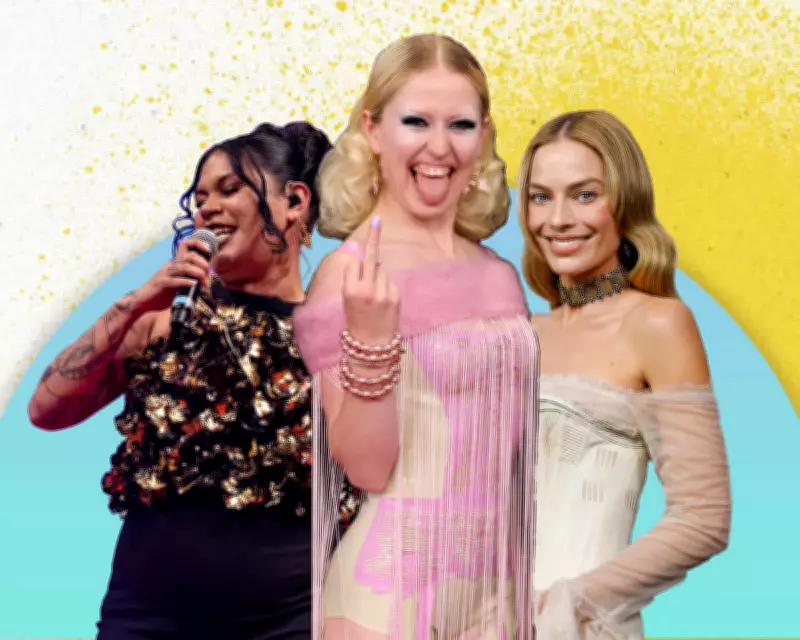
Athletes like 18-year-old Milla Coco Brown, who can switch between professional skateboarding and surfing with ease, embody this spirit. Her viral response to a journalist's question about how long she has been surfing—"straight outta the fucking womb, mate"—captures the unapologetic attitude of the modern sheila. Similarly, her cover of surfing bible Tracks magazine, where she flips the bird at the camera in a Roxy shirt, reportedly led a school librarian to remove it from shelves, highlighting the provocative nature of this movement.
Margot Robbie: The Shiniest Example
Margot Robbie stands as perhaps the most prominent example of a sheila done good. On one hand, she is a three-time Academy Award nominee and a genuine Hollywood mogul. On the other, she embraces her roots, giving homemade tattoos to friends and citing "bogan nachos" as a childhood favorite. Robbie's portrayal of Harley Quinn in Birds of Prey was pivotal in making the mullet cool again, shaking off toxic relationships and teaming up with other sheilas in a rag-tag group.
Director Cathy Yan, reflecting on the film's anniversary, noted that Harley's look was initially misunderstood. "What we were doing was so dramatically different ... every choice was like 'oh – you're going to put Harley in a mullet? What a weird haircut,'" she says. "It has been really nice to see that our gut feelings about the types of stories and representation and even aesthetics that we were drawn to personally would have other people still connecting to it years later."
The Sheila Resurgence in Community Events
The sheila resurgence shows no signs of slowing down, as evidenced by events like Sheilas Shakedown. This annual motorcycle rally for women and gender-diverse riders began with about 30 attendees and has ballooned to thousands, celebrating its 10th anniversary in February of this year. Milne attributes its success to its overlap with the queer community, which embraces the sheila archetype and provides a safe space in historically unsafe environments. This ethos mirrors that of Dykes On Bikes, an international lesbian motorcycle club that gained prominence in the 1980s by leading Sydney's Mardi Gras Parade.
Through reclamation rather than designation, the sheila trend is pushing into the mainstream. Once embedded in an era of stale Australiana marked by racism, sexism, and ableism, the modern sheila now includes anyone willing to embrace tattered denim cutoffs and celebrate differences rather than conforming to palatable femininity. This movement, driven by bogan feminism, is not just a passing fad but a cultural revival that honors authenticity and challenges patriarchal norms.