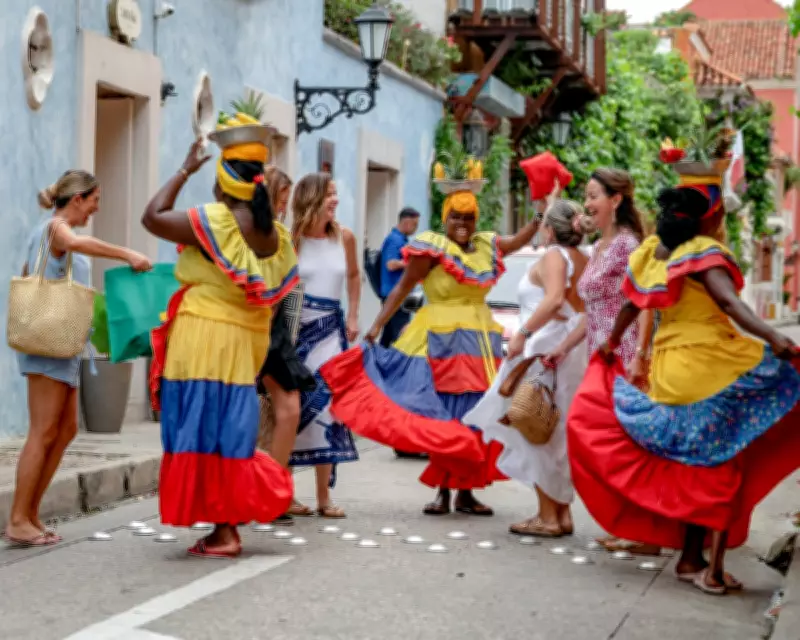
The Palenqueras of Cartagena: A Vibrant Symbol of African Heritage in Colombia
In the historic city of Cartagena, Colombia, the Palenqueras stand as a powerful testament to a rich and enduring black community with deep African roots. These women, often seen in colourful traditional dresses balancing bowls of tropical fruit on their heads, are more than just a tourist attraction; they represent a living legacy of resilience, culture, and identity that has thrived for centuries.
Historical Roots and Cultural Significance
The Palenqueras trace their origins to the palenques, which were fortified settlements established by escaped African slaves in the colonial era. These communities, such as San Basilio de Palenque, founded in the 17th century, became havens of freedom and cultural preservation. Today, the Palenqueras carry forward this heritage through their daily lives, embodying traditions that blend African, Indigenous, and Spanish influences.
Their distinctive attire, including bright skirts and headwraps, is not merely for show but serves as a visual marker of their identity and history. The practice of balancing goods on their heads, a skill passed down through generations, symbolises both practicality and a connection to ancestral customs. This cultural expression helps maintain a sense of community and pride among the Palenqueras, reinforcing their unique place in Colombian society.
Modern Challenges and Community Resilience
Despite their iconic status, the Palenqueras face contemporary challenges, including economic pressures and the risk of cultural commodification. Many rely on selling fruit or posing for photos with tourists to make a living, which can sometimes reduce their rich heritage to a mere spectacle. However, efforts are underway to ensure their traditions are respected and sustainably preserved.
Community initiatives and educational programmes aim to safeguard the Palenquera way of life, promoting awareness of their historical significance. By sharing stories and practices, they help combat stereotypes and foster a deeper appreciation for Colombia's diverse cultural tapestry. This resilience highlights how the Palenqueras continue to adapt while holding firm to their roots.
Impact on Colombian Identity and Beyond
The Palenqueras play a crucial role in shaping Colombia's national identity, reminding both locals and visitors of the country's complex history of slavery and multiculturalism. Their presence in Cartagena, a UNESCO World Heritage site, adds a layer of authenticity and depth to the city's narrative, moving beyond superficial tourism to highlight real, lived experiences.
Globally, the Palenqueras serve as an inspiration for diaspora communities, showcasing how African heritage can flourish and evolve in new contexts. Their story underscores the importance of preserving intangible cultural heritage in an increasingly globalised world, offering lessons in resilience and identity preservation for similar groups worldwide.
In summary, the Palenqueras of Cartagena are a vibrant and enduring symbol of African heritage in Colombia. Through their traditions, challenges, and community spirit, they continue to enrich the cultural landscape, proving that history is not just remembered but actively lived and celebrated every day.