Bondi's Jewish Community Confronts Passover with Grief and Resilience After Tragedy
For the Jewish community in Bondi, the celebration of Passover this year is imbued with profound sorrow and reflection, following the devastating massacre at Bondi beach. As families gather for the Seder meal, which commemorates the ancient liberation from slavery in Egypt, the themes of freedom and fear are front of mind, creating a poignant contrast to the holiday's traditional joy.
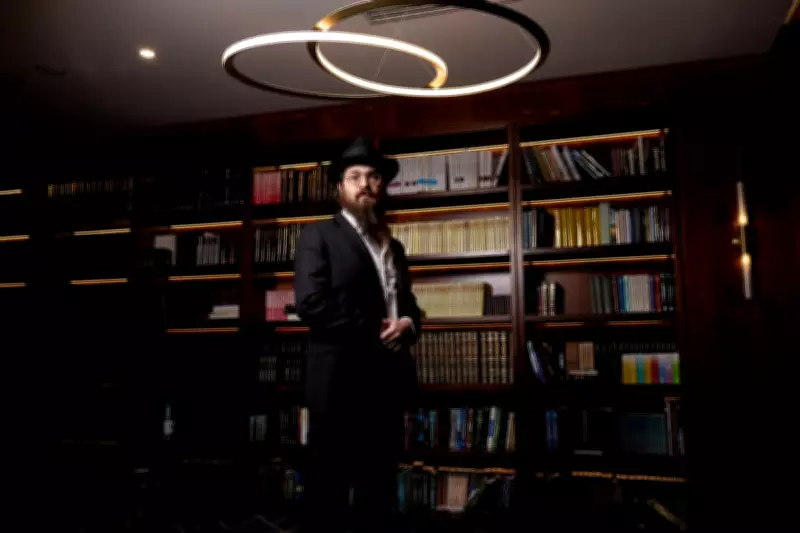
Rabbi Mendy Ulman, a leader at the Chabad of Bondi, is among those facing Passover without loved ones lost in the recent tragedy. His brother-in-law, Rabbi Eli Schlanger, who was known for his vibrant spirit and leadership during the holiday, will be deeply missed. "He was life," Ulman says simply, recalling Schlanger's habit of initiating the traditional toast "l'chaim" to uplift everyone's spirits.
A Communal Shift for Healing
In response to the community's grief, the Bondi Chabad congregation has made a significant change: the communal Seder meal, typically held on the second night of Passover, will move to the first night this year. "It's going to be very stark, and very, very confronting, so doing it together as community will be much more comforting," Ulman explains. This adjustment aims to foster a healing experience, though many acknowledge that the road to recovery is long.

Ulman notes that even elderly members, such as 90-year-old grandmothers, are seeking therapy for the first time, highlighting the widespread impact of the trauma. "The way that we heal ... the way we've always done as a community is coming together on occasions like this," he emphasizes, underscoring the importance of solidarity during this difficult period.
Themes of Freedom and Personal Connection
Passover, or Pesach in Hebrew, centers on the story of the Israelites' exodus from slavery over 3,000 years ago, with the Haggadah text urging participants to imagine themselves as part of that journey. Rabbi Jacqueline Ninio from Emanuel Synagogue reflects on the holiday's enduring relevance: "Pesach really at its heart is about what it means to be free ... It was a radical notion of the time that everyone should be free."
She points out that Judaism encourages diverse interpretations, allowing each person to connect the ancient narrative to their own circumstances. This year, that includes grappling with recent events and broader societal issues. Alex Ryvchin, co-chief executive of the Executive Council of Australian Jewry, predicts that discussions at the Seder will focus on "our status as Australians and how free we truly are," especially given rising antisemitism.
Safety Concerns and Community Resilience
Many in the Bondi community, which includes a significant Russian-speaking Jewish immigrant population, have faced persecution before, making their appreciation for Australia's freedoms all the more poignant. Ryvchin, who escaped Soviet persecution, cherishes the rights granted in Australia but now questions them: "How will we view freedom in Australia as Jews – if we can't gather in a park to light the Hanukah candles are we free to practise our faith?"
Lynda Ben-Menashe, president of the National Council of Jewish Women of Australia, expresses distress over the sustained feeling of attack leading up to the Bondi tragedy. "The Jewish community is very small in this country ... Everybody knows each other," she says, noting the close-knit nature that amplifies the impact. This year, the traditional Seder question – "Why is this night different from all other nights?" – takes on new meaning, prompting reflections on safety and freedom of speech.
Defiance and Hope Amid Fear
Despite the trauma, there is a surge of resilience and pride within the community. Ninio observes that distress coexists with "incredible resilience," while Ryvchin describes current Jewish practices as acts of defiance, tinged with fear. "Everything seems like an act of defiance at the moment," he says, citing the need for heightened security and protection, especially for children.

Hope is found in initiatives like the royal commission into antisemitism and social cohesion, which Ben-Menashe sees as a step toward addressing safety issues. Ninio reminds that Passover's message is about refusing to accept the status quo and striving for a future of freedom for all people, not just the Jewish community.
Gratitude as a Path to Freedom
For Ulman, the theme of gratitude stands out this Passover, exemplified by the closing song "Dayenu," which encourages appreciation for life's blessings. "I think Pesach wants us to be free by saying have some gratitude in life in the good things – not to negate the bad things – but not to highlight them constantly," he says. He urges the community to find moments of joy despite the grief, viewing this as essential to true freedom.
As Bondi's Jewish community navigates this Passover, they balance mourning with a commitment to communal support and the enduring hope for a safer, more inclusive society. The holiday's ancient story of liberation resonates deeply, offering a framework for healing and resilience in the face of modern challenges.