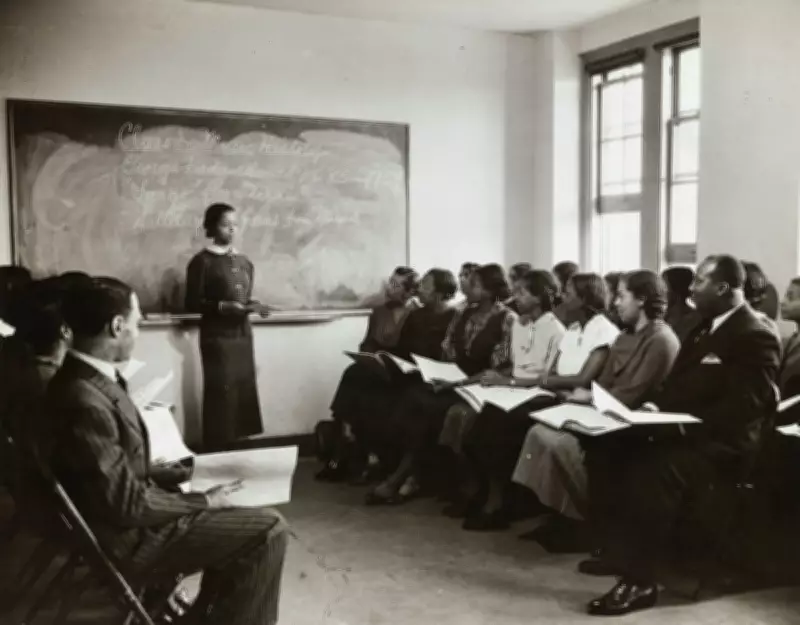
In the face of contemporary cultural and political challenges, Black History Month emerges as an unshakable pillar of American society, a celebration that defies attempts at erasure or marginalization. This annual observance, rooted in decades of struggle and triumph, serves not merely as a calendar event but as a profound affirmation of the contributions and experiences of Black Americans throughout the nation's history.
The Enduring Significance of Black History Month
Originally established as Negro History Week in 1926 by historian Carter G. Woodson, Black History Month has evolved into a nationwide recognition each February. Its expansion to a full month in 1976, during the United States Bicentennial, marked a pivotal moment in acknowledging the depth and breadth of Black heritage. Today, it encompasses educational programs, community events, and media spotlights that highlight achievements in fields ranging from science and politics to arts and civil rights.
Resilience in the Face of Adversity
Recent years have seen increased scrutiny and, in some quarters, efforts to downplay or challenge the teaching of Black history in schools and public discourse. However, proponents argue that this history is inseparable from the American narrative. Figures like Harriet Tubman, Martin Luther King Jr., and contemporary leaders are celebrated not as isolated anecdotes but as central to understanding the nation's development. The month reinforces the idea that Black history is American history, woven into the fabric of society through centuries of perseverance and innovation.
Cultural Impact and Community Empowerment
Beyond academia, Black History Month fosters a sense of pride and unity within Black communities while educating the broader public. It provides a platform for discussing ongoing issues such as racial justice, economic inequality, and representation. Events often include art exhibitions, film screenings, and lectures that explore both historical milestones and current contributions, ensuring the legacy remains dynamic and relevant.
As debates over curriculum and cultural memory persist, Black History Month stands as a testament to the resilience of a people whose stories, as many assert, can never be taken away. It continues to inspire future generations, reminding all Americans of the diverse tapestry that shapes their identity.