Baftas Ceremony Disrupted by Racial Slur Shouted from Audience
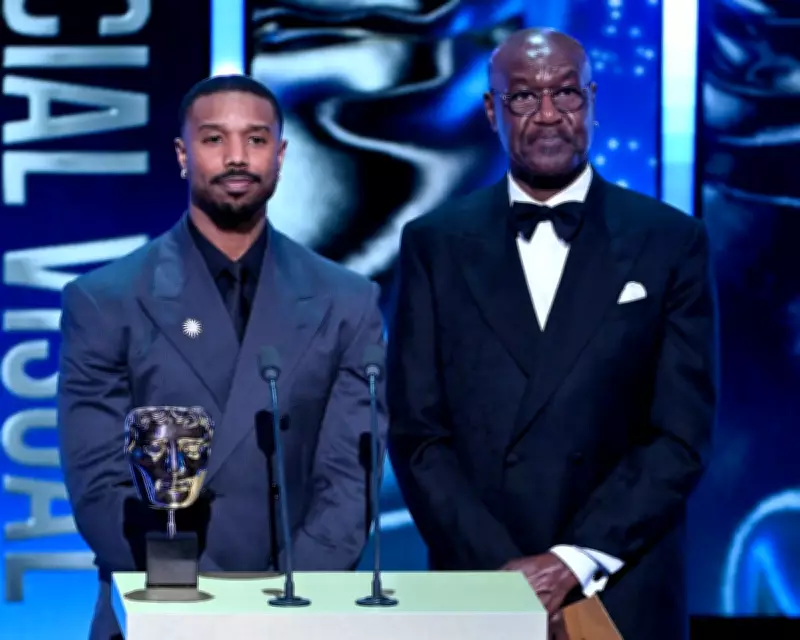
The 2026 Bafta awards ceremony in London, typically a celebration of cinematic achievement, was marred by a deeply unsettling incident that has since sparked widespread debate. As acclaimed actors Michael B. Jordan and Delroy Lindo took the stage, the N-word was shouted from the audience by John Davidson, a Tourette syndrome campaigner who lives with the condition.
BBC Issues Apology Amid Broadcasting Controversy
The BBC, which broadcast the event, later apologized, explaining that the outburst resulted from involuntary verbal tics associated with Tourette syndrome and was not intentional. This has raised serious questions about editorial judgment, particularly regarding why the offensive language was not edited out of the pre-recorded broadcast. Many are calling for direct apologies to Jordan and Lindo, who were subjected to this public humiliation.
Medical context is crucial here: Coprolalia, a symptom affecting a minority of people with Tourette syndrome, involves involuntary utterances of taboo words. Neurologists emphasize these tics are not expressions of personal belief or intent. Disability advocates rightly caution against stigmatizing individuals with this condition.
The Deeper Problem: Racist Language Becoming Routine
What makes this incident particularly troubling is not just the word itself—a term steeped in historical violence and dehumanization—but the realization that hearing such language in mainstream settings no longer feels extraordinary. The shock has dulled, reflecting a disturbing normalization of racist rhetoric in contemporary society.
As journalist Nadine White observes, two truths can coexist: a neurological condition deserves understanding, while the harm caused by racial epithets remains real and painful. This incident hits like "punching on a bruise" at a time when racist language has become increasingly common in both digital and physical spaces.
Digital Platforms and Political Rhetoric Fuel Normalization
White reports moderating her platform, Black Current News, has become increasingly sobering, with racial abuse appearing rapidly in comments sections. Many Black users have abandoned X (formerly Twitter) due to the platform's tolerance of abuse. Meanwhile, in political discourse, divisive rhetoric that once would have been considered fringe is now treated as provocative but permissible.
Recent examples include:
- A poster displayed in Scotland calling for the deaths of Black people using the N-word
- Business magnate Jim Ratcliffe's comments about the UK being "colonised" by immigrants, which were widely interpreted as having racial connotations
- The steady stream of online abuse targeting Black journalists and public figures
Desensitization as Cultural Danger
The danger of desensitization lies not in making us indifferent, but in normalizing proximity to what should be universally recognized as egregious and offensive. The epithet remains violent; what changes is our threshold for reaction. When slurs begin to feel almost ordinary, the line between outrage and resignation blurs.
This Baftas incident should not devolve into a binary argument about disability versus racism. Instead, it should prompt meaningful discussion about the language we use with each other and the cultural environment that exists beyond the ceremony's gilded halls. As White notes, if hearing the N-word at the Baftas shocks you, imagine encountering it shouted in the street—a reality many face far too often.
The conversation must extend beyond this single incident to address why racist language has become so prevalent in our public discourse and digital interactions, and what can be done to reverse this troubling normalization.