The Comeback Returns with AI-Driven Plot and Final Season
Television veteran Michael Patrick King, renowned for his work on Sex and the City and its revival And Just Like That, is celebrating the return of one of his most cherished projects: The Comeback. Co-created with Lisa Kudrow, this critically acclaimed comedy-drama first aired in 2005, following the awkward attempts of sitcom star Valerie Cherish, played by Kudrow, to reclaim fame through reality TV. Despite Emmy recognition, the show struggled to find a broad audience until a masterful second season in 2014 reignited fan demand.
AI Takes Center Stage in Season Three
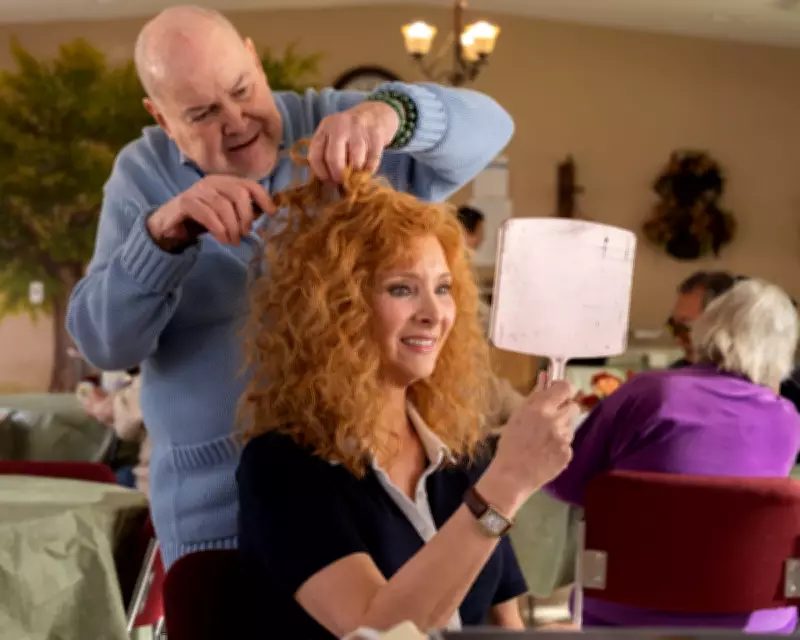
The new season, which King confirms is the final chapter, launches with a timely and provocative premise. Set against the backdrop of Hollywood strikes and industry turmoil, Valerie finds herself cast as the lead in a new sitcom titled How's That?. In a twist that reflects current technological anxieties, the studio grants her executive producer status with a secret: the show is entirely written by artificial intelligence, and she must keep this from the cast and crew.
"The only reason to come back was because it felt like a perfect Valerie storm," King explains. "We thought it was worth the risk." He and Kudrow conducted extensive research into AI, consulting experts who revealed that public resistance to AI is strongest in artistic fields. "Everything in the show is very possible—nothing is fantastical," King asserts, noting that AI technology is far more advanced than publicly known.

Evolution of Television and Character Development
King reflects on how television has transformed since The Comeback's debut. "Everything that was considered desperate and ruthless in season one is now commonplace," he observes, referencing the normalization of reality TV and social media branding. This season reintroduces Valerie with a documentary crew and a social media assistant, highlighting how media landscapes have shifted.
The discussion extends to King's other projects, including 2 Broke Girls, which faced criticism for its edgy humor. "There were a lot of illegal jokes in 2 Broke Girls," King admits, comparing it to "situation comedy meets burlesque." He questions whether AI could replicate such sharp, risky comedy, emphasizing that television often hinges on subjective opinions.
And Just Like That and the Challenge of Aging Characters
King also addresses the polarized reception of And Just Like That, the Sex and the City revival. Drawing parallels to The Comeback's journey from perceived failure to cult classic, he predicts that And Just Like That will age well. "It has the same DNA as the original Sex and the City," he says, noting that both series confront societal expectations—whether pressuring women to marry at 35 or criticizing fashion choices at 55.
He acknowledges the difficulty of evolving beloved characters. "Fans don't want their characters to change—they want to see them frozen in the time they fell in love with them," King remarks. However, he defends the creative decision to break from the past, arguing that it's better to innovate than to replicate nostalgia. "If there was a great disaster, it would have been if And Just Like That tried to be Sex and the City," he states.
A Triumphant Finale and Lasting Impact
As The Comeback concludes its third season, King remains optimistic about its legacy. "We got cancelled and we're here 21 years later," he says, channeling Valerie's resilient spirit. The season ends with a pointed credit: "No AI was used in the making of this show," underscoring the show's commentary on technology's role in creativity.
With this final chapter, King and Kudrow deliver a blackly hilarious exploration of AI, fame, and the entertainment industry's evolution, cementing The Comeback as a prescient and enduring work in television history.