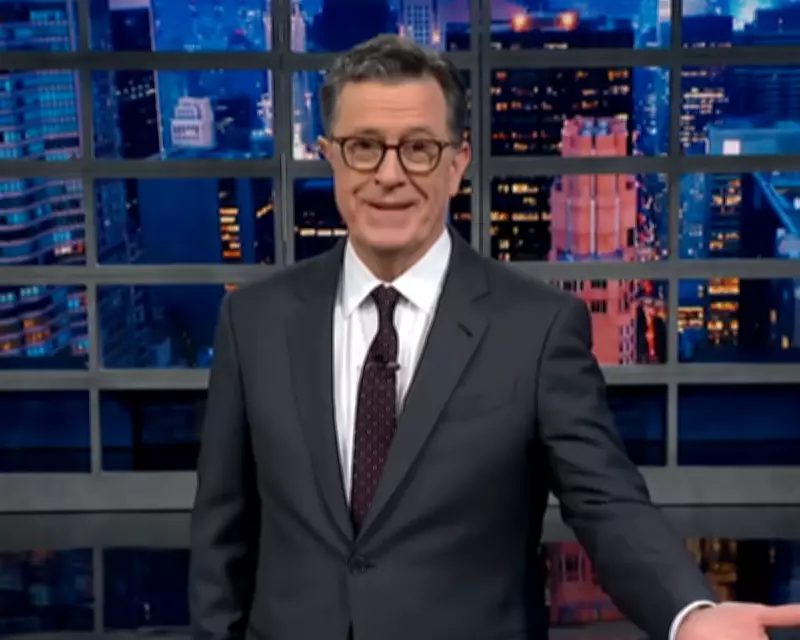
In a recent episode of The Late Show, host Stephen Colbert has stirred significant controversy with a satirical sketch that has quickly gone viral, prompting intense debate across media and political circles.
The Sketch That Divided Audiences
The segment in question featured a bizarre and provocative narrative involving former President Donald Trump, a goat, and subtle allusions to the Jeffrey Epstein scandal. Colbert, known for his sharp political commentary, used absurdist humour to critique Trump's public persona and the ongoing cultural fascination with conspiracy theories.
Early reactions have been polarised, with some viewers praising the sketch as a bold and necessary piece of political satire that pushes creative boundaries. Others, however, have criticised it as being in poor taste, arguing that it trivialises serious issues and crosses ethical lines in comedy.

Broader Implications for Satirical Media
This incident raises important questions about the role of satire in contemporary media. In an era where political discourse is increasingly charged, comedians like Colbert walk a fine line between entertainment and social commentary. The sketch's use of surreal elements, such as the goat, highlights how satire can employ metaphor and exaggeration to make pointed critiques, but also risks alienating audiences or being misinterpreted.
Experts in media studies note that such controversies often reflect deeper societal tensions. The inclusion of Epstein references, albeit indirect, taps into ongoing public interest in high-profile scandals, demonstrating how satire can engage with real-world events while maintaining a comedic veneer.
Audience and Critical Reception
Social media platforms have been abuzz with discussions, with hashtags related to the sketch trending for hours. Supporters argue that Colbert's approach is a vital form of political speech, using humour to hold power to account in a way that traditional journalism sometimes cannot. Detractors, however, contend that it risks normalising or mocking serious allegations, potentially undermining public discourse.
Critics from both sides of the political spectrum have weighed in, with some conservative commentators calling for greater accountability in comedy, while liberal voices defend artistic freedom. This split underscores the divisive nature of modern political satire, where every joke is scrutinised for its broader implications.
Looking Ahead: The Future of Political Comedy
As debates continue, this episode serves as a case study in the evolving landscape of political comedy. Colbert's sketch may influence how other late-night hosts approach sensitive topics, potentially leading to more cautious or, conversely, more daring content. The incident also highlights the challenges faced by broadcasters in balancing creativity with responsibility, especially in a fragmented media environment where content can quickly spread globally.
Ultimately, whether one views the sketch as a masterstroke of satire or a misstep, it has undeniably sparked a necessary conversation about the limits of humour in politics. As society grapples with complex issues, the role of comedians as cultural commentators remains as relevant and contentious as ever.