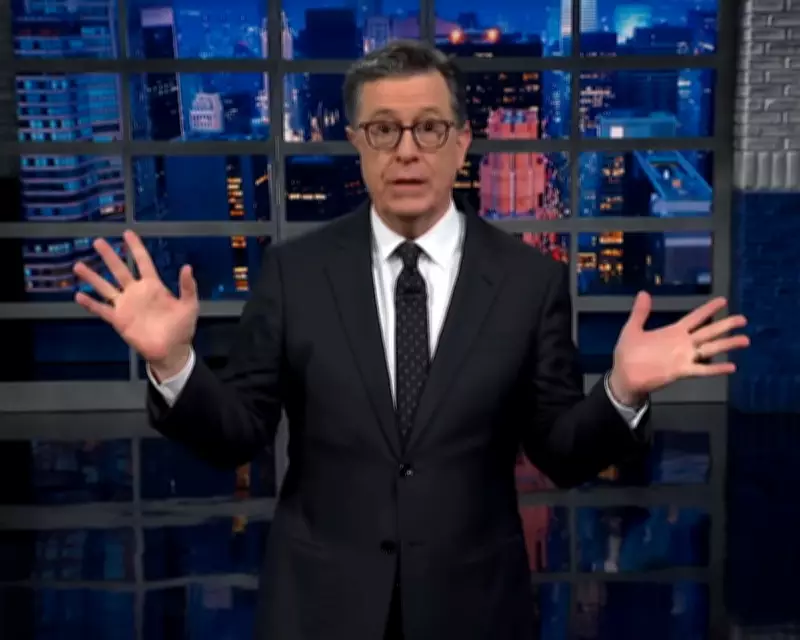
Stephen Colbert's Controversial Joke on Trump and Epstein
In a recent episode of his late-night show, Stephen Colbert made a joke that has ignited a heated debate across media and political circles. The comedian referenced former President Donald Trump in connection with the late financier and convicted sex offender Jeffrey Epstein, drawing immediate reactions from viewers and commentators alike.
The Context of the Joke
Colbert, known for his sharp political satire, delivered the quip during a monologue segment, where he often critiques current events and public figures. The joke implied a link between Trump and Epstein, who was associated with high-profile individuals before his death in 2019. While Colbert did not make explicit allegations, the insinuation was clear, tapping into longstanding rumors and investigations surrounding Epstein's network.
This incident comes amid a broader cultural moment where late-night hosts are increasingly using their platforms to comment on political scandals and controversies. Shows like Colbert's have become key venues for dissecting news stories, blending humor with serious commentary to engage audiences on complex issues.

Reactions and Backlash
The response to Colbert's joke has been polarized. Supporters argue that satire is a vital tool for holding powerful figures accountable, especially in an era of heightened political tensions. They point to Colbert's role as a comedian who uses humor to challenge norms and provoke thought, often targeting politicians from all sides.
However, critics have condemned the joke as irresponsible, suggesting it could spread misinformation or unfairly tarnish reputations without concrete evidence. Some have accused Colbert of crossing a line from satire into sensationalism, potentially fueling conspiracy theories rather than fostering informed debate.
Trump's allies have been particularly vocal, dismissing the joke as a partisan attack and calling for more restraint in media coverage. This backlash highlights the delicate balance late-night shows must strike between entertainment and ethical journalism, especially when dealing with sensitive topics like criminal allegations.
Broader Implications for Late-Night Television
This controversy raises important questions about the evolving role of late-night comedy in American culture. Over the past decade, hosts like Colbert have shifted from purely entertainment-focused content to more politically charged material, reflecting and shaping public discourse. This trend has blurred the lines between news and comedy, with shows often serving as primary sources of information for many viewers.
Experts note that such jokes can influence perceptions, particularly in a fragmented media landscape where satire reaches millions. While humor can be a powerful means of critique, it also carries risks, such as oversimplifying complex issues or alienating segments of the audience. The Colbert incident underscores the need for comedians to navigate these challenges carefully, ensuring their material is both funny and factually grounded.
Looking ahead, this debate may prompt discussions within the industry about guidelines for political satire, especially as the 2026 election cycle approaches. Networks and hosts might reconsider their approaches to balancing comedic freedom with social responsibility, aiming to maintain credibility while entertaining diverse viewerships.
Conclusion
Stephen Colbert's joke about Donald Trump and Jeffrey Epstein has sparked a significant conversation about the limits of late-night satire. As audiences and critics weigh in, the incident highlights the growing influence of comedy in political commentary and the ethical considerations it entails. Whether this leads to changes in how such shows operate remains to be seen, but it certainly reinforces the power of humor to provoke and challenge in today's media environment.