Late-Night Hosts Target Trump's Iran Policy and Soaring Fuel Costs
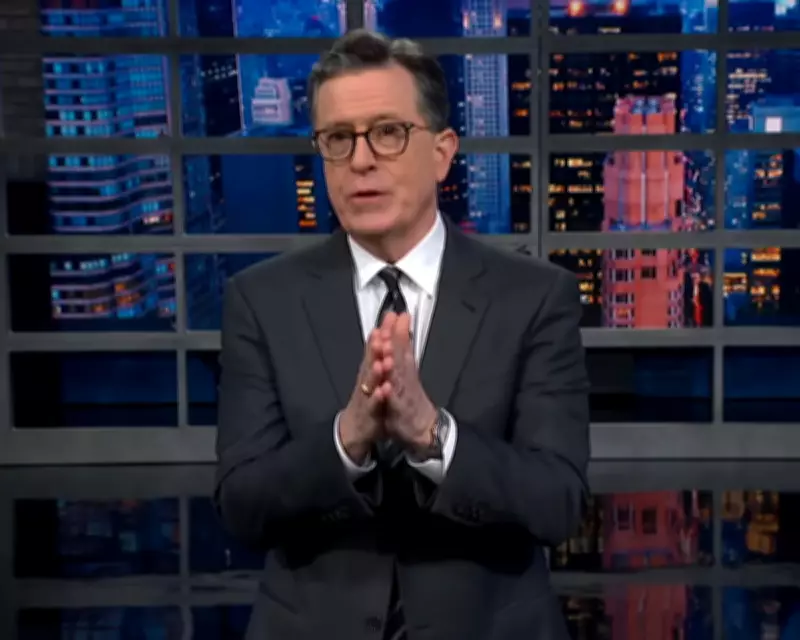
Late-night television hosts delivered sharp critiques of former President Donald Trump's handling of the Iran conflict and its impact on American consumers, as gas prices surged past $4 a gallon for the first time since 2022. Stephen Colbert led the charge with a monologue that blended humor with pointed political commentary.
Colbert's Gas Price Reality Check
Stephen Colbert opened his Tuesday night monologue by noting the dramatic rise in fuel costs. "For the first time in over two years, Americans are paying more than $4 per gallon at the pump," Colbert stated. "Just days ago, gas was a reasonable $3.98. Yesterday it climbed to $3.99. And suddenly, out of nowhere, we've crossed the $4 threshold!"
The Late Show host emphasized the seriousness behind the jokes. "This represents a significant change for consumers nationwide," Colbert explained. "Just one month ago, the average price was $3 per gallon. The rapid increase has put financial pressure on households across the country."

Connecting Policy to Prices
Colbert drew a direct line between Trump's foreign policy decisions and domestic economic consequences. "We know what happened in the past month to drive prices higher," Colbert quipped. "ABC cancelled The Bachelorette, and in response, Trump attacked Iran. I believe that's the connection? The reality is that Trump's actions have created ongoing instability that affects global oil markets."
The comedian cited recent polling data showing Trump's approval rating had dropped to just 33%. "That's only one out of every three Americans," Colbert emphasized. "To put that in perspective, look to your left, then to your right. Both of those people are statistically more popular than Donald Trump right now."
Trump's Shifting Iran Strategy
Colbert focused particularly on Trump's evolving approach to the Iran conflict. "The former president seems to be changing his tune on the war he initiated," Colbert observed. "Administration officials have indicated that reopening the crucial Strait of Hormuz would extend military operations beyond Trump's self-imposed four-to-six week timeline."
"So he's simply walking away from the disaster he created because it's become too complicated," Colbert concluded. "It's a military strategy best described as starting a 1,000-piece jigsaw puzzle and abandoning it when you realize how difficult it is."
Truth Social Controversies
Colbert addressed Trump's social media posts encouraging allies to secure the Strait of Hormuz themselves. "Trump's approach amounts to: 'the hard part is done, now go do the harder part,'" Colbert mocked. The host also criticized Trump's threats to target infrastructure, noting such actions could constitute war crimes.
"Someone mentioned in the Epstein files thousands of times should probably avoid putting quotation marks around the word 'touched,'" Colbert added wryly.
Daily Show's Perspective
On The Daily Show, correspondent Desi Lydic connected the Iran situation to broader political scandals while addressing the economic impact. "Oil prices won't stabilize until the Strait of Hormuz is as open as some political marriages," Lydic quipped, referencing recent tabloid revelations about political figures.
Lydic directly challenged Trump's approach to the crisis. "President Trump, it was your military actions that closed the strait initially," she stated. "Now you're suggesting others should solve the problem you created? It's not a clogged office toilet where you can blame someone else if no one saw you enter."
Broader Political Context
The late-night segments highlighted how Trump's foreign policy decisions have created both international tensions and domestic economic challenges. Colbert noted that other polls show nearly half of Americans "strongly disapprove" of the former president's performance, while only 22% "strongly approve."
"Who are these remaining supporters?" Colbert wondered aloud. "People who want expensive gas, damaged cultural institutions, and strained international relations?"
Both comedy programs used humor to underscore serious concerns about leadership, accountability, and the real-world consequences of political decisions on everyday Americans facing rising costs at the pump.