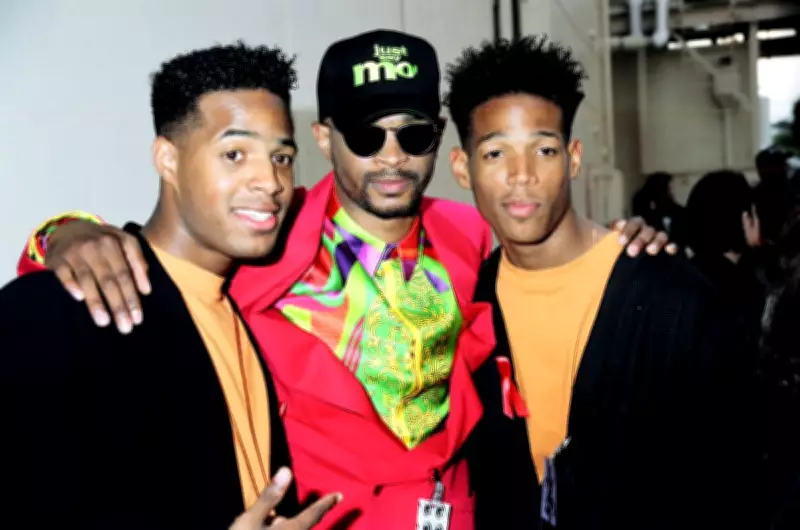
As the Super Bowl captivates millions worldwide with its high-octane football and star-studded halftime performances, a lesser-known but culturally significant alternative has resurfaced in public memory: the halftime show by the sketch comedy series In Living Color. This innovative broadcast, which aired concurrently with the traditional Super Bowl halftime, offered a fresh and irreverent take on entertainment during one of America's biggest sporting events.
A Bold Alternative to Mainstream Entertainment
In the early 1990s, In Living Color, created by Keenen Ivory Wayans, was already making waves on television with its groundbreaking comedy that tackled social issues and celebrated diversity. The show's decision to air a special halftime episode during the Super Bowl was a bold move, challenging the conventional spectacle of marching bands and pop stars. Instead, viewers were treated to a series of sharp, satirical sketches that poked fun at everything from sports culture to politics, all while showcasing the talents of its diverse cast, including Jim Carrey, Jamie Foxx, and the Fly Girls dance troupe.
Cultural Impact and Viewer Reception
The alternative halftime show by In Living Color quickly garnered attention for its audacity and creativity. It attracted a significant audience, particularly among younger viewers and those seeking something different from the mainstream Super Bowl offerings. This broadcast is often credited with highlighting the show's influence on television comedy, as it blended humour with social commentary in a way that was both entertaining and thought-provoking. By providing an alternative to the traditional halftime entertainment, it underscored the growing demand for diverse voices and formats in media.

Legacy in Television History
Looking back, the In Living Color Super Bowl halftime show stands as a pivotal moment in television history. It demonstrated how comedy could be used to engage audiences during major events, paving the way for future alternative broadcasts and specials. The show's success in this slot also reinforced the importance of innovation in programming, encouraging other series to experiment with timing and content to capture viewer interest. Today, it is remembered not just as a quirky footnote, but as a testament to the power of creative risk-taking in the entertainment industry.
Why It Still Matters Today
In an era where streaming services and digital platforms offer endless alternatives to traditional TV, the legacy of In Living Color's halftime show remains relevant. It serves as a reminder that entertainment can be both subversive and mainstream, challenging norms while reaching wide audiences. As Super Bowl halftime shows continue to evolve with bigger budgets and global stars, this historical example encourages a reflection on the value of diversity and originality in live broadcasting. For fans of comedy and television history, it remains a cherished example of how a simple idea can leave a lasting impact.