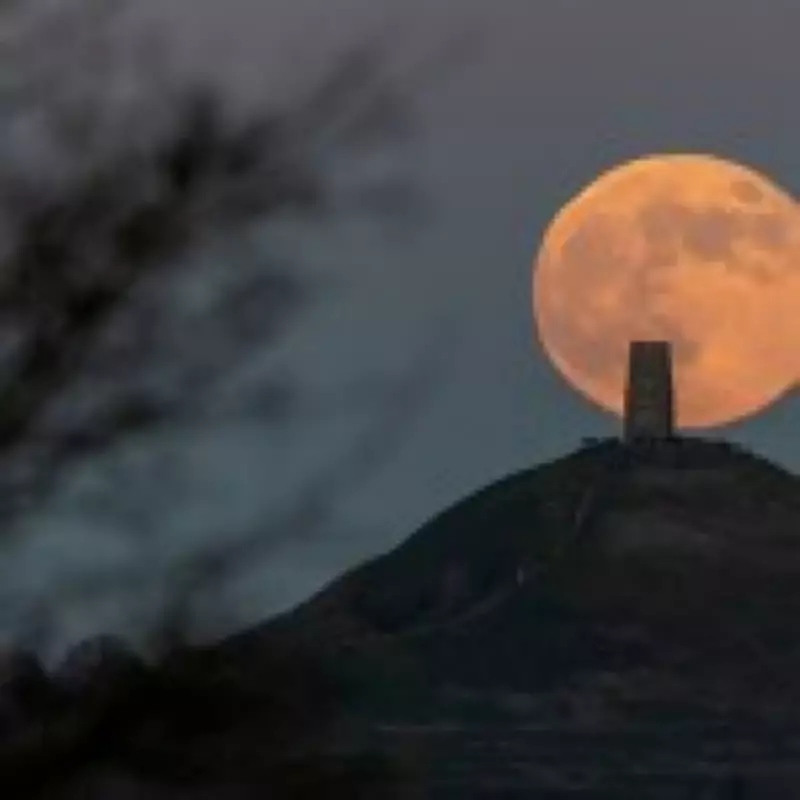
Snow Moon 2026: A Guide to February's Full Moon in the UK
The celestial calendar for 2026 brings a captivating event as the Snow Moon, the second full moon of the year, is set to grace the night sky. This lunar spectacle follows a series of full moons, including the Wolf Moon in January, and precedes an unusual year with thirteen full moons instead of the typical twelve.
What is the Snow Moon?
The Snow Moon is a traditional name given to the full moon occurring in February, rooted in the seasonal patterns observed by indigenous tribes in North America. It references the heavy snowfall common in many parts of the northern hemisphere during this time of year. Sometimes referred to as the Storm Moon or Hungry Moon, it marks the final full moon of the meteorological winter season before spring begins. This naming convention highlights the deep connection between lunar cycles and natural phenomena, offering a glimpse into historical cultural practices.
When and How to See the Snow Moon in 2026
The Snow Moon will rise on Sunday, February 1, 2026, reaching its peak fullness at 10:09 PM GMT. At this moment, the Moon's Earth-facing side will be fully illuminated by the Sun, reflecting light back to create a brilliant display, weather permitting. Visibility across the UK will largely depend on cloud cover, but clear skies could make for a stunning sight. To maximise your viewing experience, consider the following tips:
- Find a dark location: Seek out areas with minimal artificial light to enhance the Moon's clarity and brightness.
- Dress for cold weather: As temperatures drop, ensure you wear warm clothing, as moon-watching often involves extended periods outdoors.
- Avoid light pollution: If you're in or near a city, try to move away from central areas to reduce interference from streetlights and buildings.
- Be patient: Clouds may occasionally obscure the Moon, so allow time for gaps in the sky to appear.
- Use stargazing apps: Applications like Night Sky and Stellarium can help you locate the Moon and understand its position in the night sky.
Why 2026 Has 13 Full Moons
In a rare occurrence, 2026 will feature thirteen full moons instead of the usual twelve, due to an extra full moon in May. This additional moon is known as a 'blue moon', a phenomenon that happens approximately once every two and a half years, hence the phrase 'once in a blue moon'. The discrepancy arises because full moons occur every 29 days, while most calendar months have 30 or 31 days, leading to occasional overlaps that result in two full moons within a single month.
Lunar Phases and Upcoming Full Moons in 2026
The Moon undergoes eight distinct phases during its cycle, starting with the new moon, which is invisible from Earth as the far side is illuminated. On average, it takes about 29.5 days to complete one lunar cycle, with roughly 7.5 days between each of the four main phases: new moon, first-quarter moon, full moon, and last-quarter moon. Following the Snow Moon, the next full moons in 2026 will be the Worm Moon in March and the Pink Moon in April.
It's important to note that the Moon's orbit is elliptical, meaning it doesn't travel in a perfect circle and its distance from Earth varies. This variation explains why some full moons, known as supermoons, appear larger and brighter in the sky when they are closer to our planet. Each lunar orbit is unique, adding to the dynamic nature of these celestial events.
As the Snow Moon illuminates the winter sky, it offers a reminder of the wonders of astronomy and the changing seasons. Whether you're an avid stargazer or a casual observer, this event provides an opportunity to connect with the natural world and appreciate the beauty of our lunar neighbour.