For Generation Z and millennials, YouTube has evolved far beyond a simple video-sharing website to become the constant background soundtrack of daily life. With over 2.5 billion monthly viewers globally, the platform has fundamentally reshaped how younger generations consume media, replacing traditional television as their go-to entertainment source.
From Television Replacement to Cultural Phenomenon
When Google acquired YouTube for $1.65 billion in 2006, just 18 months after its 2005 launch, critics questioned whether any video platform could justify such an astronomical valuation. The prevailing logic suggested YouTube needed to replace television to be worthwhile. Nearly two decades later, this perspective dramatically undersells what actually occurred.
YouTube didn't merely replace television – it invented entirely new forms of content that never existed before. The platform pioneered genres like vodcasts, vlogs, video essays, reaction videos, ASMR, and mukbang, absorbing emerging trends at lightning speed and building what became an alternative "online mainstream." Before podcasters, TikTokers, and influencers dominated digital culture, there were YouTubers.
The Personalised Viewing Experience
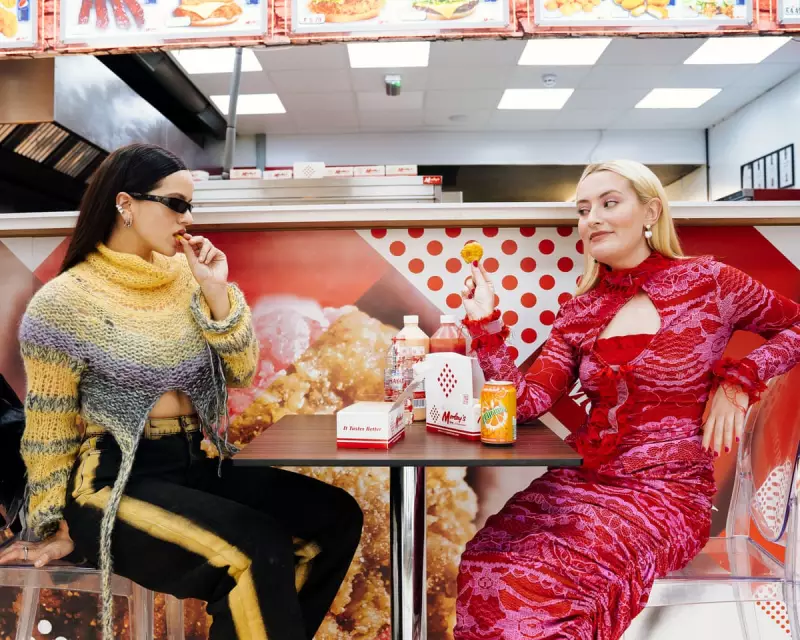
Unlike previous generations who gathered around scheduled television programming, today's YouTube viewers rarely watch the same content. The platform's hyper-personalised algorithm creates individualised viewing experiences where one person might watch Amelia Dimoldenberg's Chicken Shop Date with Rosalía while another delves into JxmyHighroller's NBA analysis or Tifo Football's tactical breakdowns.
This personalisation comes with cultural consequences. Where older generations used "Did you watch that thing last night?" as universal conversation starters, today's viewers remain deep within their own algorithmic bubbles. We've gained infinite choice but lost shared cultural experiences, with even major YouTube moments fragmenting across demographics in ways Saturday-night television never did.
The Algorithm's Double-Edged Sword
While YouTube has fragmented viewing habits across most demographics, it's created something approaching a monoculture among young men. Figures like Joe Rogan, Theo Von, and Lex Fridman have become ubiquitous in water-cooler conversations, demonstrating YouTube's power to shape cultural touchpoints.
However, this influence carries significant concerns. YouTube's algorithm doesn't simply surface content based on interest – it promotes whatever keeps viewers watching, which isn't always beneficial. The platform has a documented tendency to boost extreme viewpoints and fringe theories, gradually leading users from harmless content to dangerous misinformation through such organic progression that they barely notice the shift.
Convenience Versus Cultural Cohesion
YouTube's convenience remains undeniable. Sports highlights exist in a state of perfect accessibility that legacy broadcasters struggle to match, particularly for paywalled sports like cricket and NFL. The platform has democratised expertise, allowing users to learn instruments from garage bands or access professional analysis that traditional media never made available.
Yet this convenience comes at the cost of shared cultural experiences. As the author notes, their viewing habits likely have more in common with a 28-year-old in Bengaluru than their 45-year-old neighbour. With global users watching over 1 billion hours of content daily, YouTube has undoubtedly won the battle for attention – but perhaps the balance needs redressing between the platform and everything else in our lives.