US President Donald Trump has launched a staggering $10bn legal attack against the British Broadcasting Corporation (BBC), a move described by critics as a bullying tactic designed to distract from his own political challenges. The lawsuit, filed in Florida in September 2025, centres on a 12-second clip from a BBC Panorama documentary about the Capitol attack.
The Bizarre Legal Basis of the Claim
The legal action targets a British news organisation funded by the UK licence fee over content not readily available in the US state where it was filed. Trump's 33-page complaint alleges "extensive reputational and financial harm" from the programme, despite him winning the US presidential election just one week after it aired and increasing his vote share in Florida.
Legal experts have questioned the jurisdictional basis, as the BBC has no broadcast rights in the United States. Trump's lawyers may argue the show could be seen via the streaming service BritBox, but this line is considered weak, with debates likely over whether Floridians would need a VPN to access it.
Most peculiarly, the suit does not dispute that Trump uttered the words shown in the disputed clip, which concerned his indictment on four charges related to the Capitol riot. It instead contests the "sequence of words" as presented by BBC editors.
A Lose-Lose Situation for the Beeb
The BBC finds itself in a perilous position. Christopher Ruddy, CEO of the Trump-friendly network Newsmax, estimated on BBC Radio 4's Today programme that fighting the case could cost between $50m and $100m. This colossal sum is partly due to the burden of 'discovery', where Trump's lawyers could demand access to every internal email mentioning the president to allege bias.
Ruddy urged the BBC to settle, as US outlets like ABC and CBS News have done when faced with similar threats. However, settling an apparently absurd case sets a dangerous precedent for a public service broadcaster built on principles of independence.
Political Pressure on Starmer's Government
The lawsuit has ignited calls for UK Prime Minister Keir Starmer to take a firm stand in defence of a national institution. Figures from across the political spectrum, including Starmer's own health minister Stephen Kinnock and Liberal Democrat leader Ed Davey, have urged him to confront the US president.
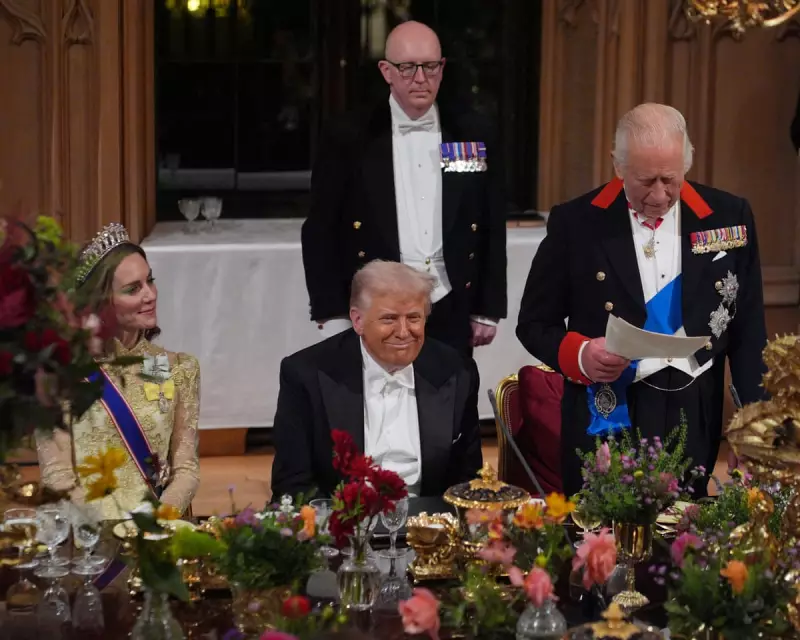
This incident strains the so-called 'special relationship', coming shortly after Trump's promised AI "prosperity deal" with the UK, secured during a state banquet at Windsor Castle, appeared to evaporate. The scenario has drawn comparisons to the fictional prime minister in Love Actually, who declared: "A friend who bullies us is no longer a friend."
Yet, in reality, the chance of Starmer directly labelling Trump a "bullying narcissist" is considered slim, highlighting the difficult diplomacy involved.
Why the Nonsense Makes Sense for Trump
For Donald Trump, the lawsuit's merit is almost irrelevant. The action generates headlines and puts immense pressure on a respected media organisation during a sensitive period, as the BBC faces a government charter review. It follows a pattern of using legal threats and wild statements—such as recently suggesting critic Rob Reiner hastened his own death—to dominate news cycles and rally his base.
Ultimately, this first 'reality TV president' is crafting an absurdist political theatre. The real tragedy, observers note, falls on those who rely on fearless, independent journalism to hold power to account. The case doesn't need to make legal sense; it just needs to make news and inflict damage. On those terms, for President Trump, it is already a success.