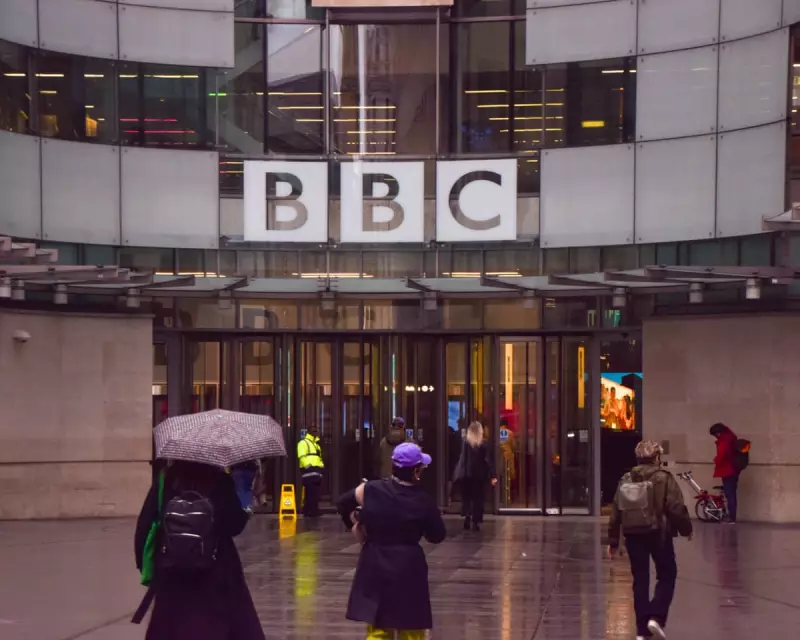
The BBC's ongoing crisis has taken a dramatic turn into the realm of international diplomacy after former US President Donald Trump threatened to sue the broadcaster for a staggering $1 billion.
A Legal Threat from Abroad
The threat centres on a clip of the speech Trump gave on 6 January 2021, before his supporters attacked the US Capitol, which was featured in a BBC Panorama documentary. Trump alleges the clip was unfairly edited. This move has created a significant dilemma for the UK government, given that the BBC is funded by taxpayers' money, meaning any potential payout would ultimately come from the public purse.
Legal experts have been quick to weigh in, with the consensus being that Trump's case holds little to no legal merit. However, analysts point out that this is a familiar pattern; Trump has previously launched high-profile lawsuits against US media organisations with weak legal standing. These cases often end in settlements not because the media organisations believe they will lose, but because they wish to avoid the prolonged risk and difficulty of being in a dispute with a figure of such influence.
Political Fallout for the UK Government
The situation places the government in a particularly awkward position. Culture Secretary Lisa Nandy is due to make a statement to MPs about the BBC, where she will not only address restoring confidence in the corporation and its funding model but will also have to respond to questions about Trump's legal threat. This is a challenging task for an administration where criticism of the former president is reportedly discouraged.
Meanwhile, Local Government Minister Alison McGovern faced questions in media interviews. When asked about the lawsuit on Times Radio, she stated it was a matter for Trump and the BBC, remarking, "I think the president can say what he wants, and he will do." In a separate interview on LBC, she suggested that if the BBC had made an editorial mistake, it should apologise. The BBC has already apologised for the edit in a letter to the Commons culture committee, but McGovern's comments implied a direct apology to Trump might be necessary.
What Happens Next?
The ideal outcome for both the BBC and the UK government would be for Trump to drop his legal threat and let the matter subside. However, this is considered unlikely. The ongoing row adds another layer of complexity to the BBC's existing challenges, which include debates about the future of the licence fee and its leadership, following the recent resignations of its director general and head of news.
As the day continues, all eyes will be on Westminster for the statements from Lisa Nandy and Deputy PM David Lammy, with the BBC's future and its relationship with international power players hanging in the balance.