Former US President Donald Trump has launched a legal threat against the BBC, demanding $1 billion in damages over a misleadingly edited clip of a speech he gave, a scandal that has already triggered the resignation of the corporation's two most senior news executives.
The $1 Billion Legal Threat
In a formal letter dated 9 November, a Florida-based lawyer acting for Mr Trump, Alejandro Brito, issued a stark ultimatum to the British broadcaster. The letter gave the BBC a deadline of 10pm UK time on Friday to comply with three key demands: issue a 'full and fair retraction' of the documentary, offer an immediate apology, and provide 'appropriate compensation' to the former president.
Failure to meet these demands, the legal correspondence stated, would result in the BBC being sued for a staggering $1 billion. A spokesperson for the corporation confirmed they had received the letter, stating, 'We will review the letter and respond directly in due course.'
A Crisis of Confidence at the BBC
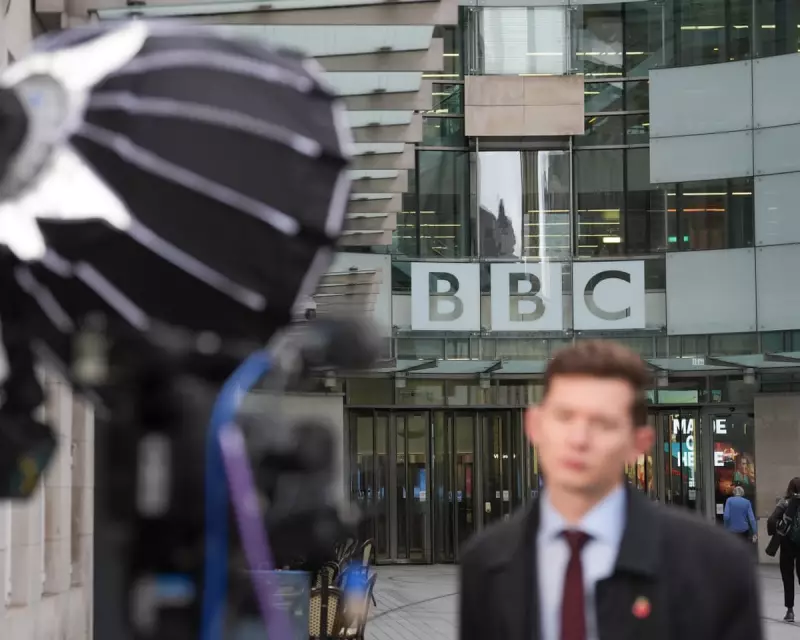
The defamation claim centres on an episode of the flagship Panorama documentary series that aired in October 2024. The programme featured an edited version of a speech Mr Trump made before the attack on the US Capitol on 6 January 2021.
The editing of the footage created the impression that Mr Trump directly instructed his supporters to walk with him to the Capitol and 'fight like hell', a presentation the BBC has since acknowledged was misleading.
The controversy came to a head after a memo was leaked from Michael Prescott, a former journalist and independent adviser to the BBC's Editorial Guidelines and Standards Board, which raised concerns about the edit. The fallout was immediate and severe.
On Sunday evening, both BBC director-general Tim Davie and head of BBC News Deborah Turness announced their resignations. In emails to staff, they acknowledged that serious mistakes had been made. Mr Davie is scheduled to address an all-staff meeting on Tuesday.
Apologies and Political Reactions
On Monday, BBC chairman Samir Shah, one of the most senior figures remaining, issued a formal apology. In a letter to the Culture, Media and Sport Committee of MPs, Mr Shah stated that the editing of Mr Trump's speech had given 'the impression of a direct call for violent action'.
'The BBC would like to apologise for that error of judgement,' he added, describing the decision as a significant failure.
The political reaction in the UK has been measured but firm. A spokesperson for the Prime Minister rejected accusations that the BBC was corrupt or institutionally biased, emphasising its vital role. However, they also stressed the need for the corporation to 'maintain trust and correct mistakes quickly when they occur'.
Chancellor Rachel Reeves echoed this sentiment, standing by the BBC but stating that 'lessons do need to be learned' from the incident.
Meanwhile, veteran broadcaster Jonathan Dimbleby argued that the BBC owed Mr Trump 'nothing but an apology'. In contrast, former BBC legal correspondent Joshua Rozenberg suggested the corporation would 'very likely' consider settling the case with the former president to avoid a protracted and costly legal battle.
This legal threat marks the latest in a series of high-profile, multi-billion dollar battles Donald Trump has engaged in with various media institutions.