Former US President Donald Trump has initiated a major defamation lawsuit against the British Broadcasting Corporation (BBC), seeking damages of no less than $5 billion. The legal action, filed in a Florida court, centres on the broadcaster's editing of his speech on 6 January 2021, the day his supporters stormed the US Capitol.
The Core of the Legal Complaint
The lawsuit alleges that the BBC's flagship Panorama documentary, titled "Trump: A Second Chance?", portrayed him in a manner that was "false, defamatory, deceptive, disparaging, inflammatory, and malicious". The specific grievance relates to how clips from his speech were edited. According to the complaint, segments were spliced together to create the impression that Trump told his supporters he would walk with them to the Capitol to "fight like hell".
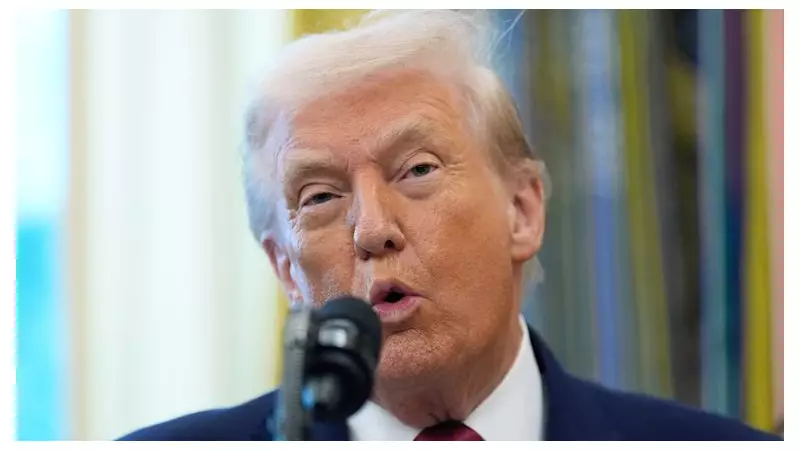
The programme was broadcast in the week preceding last year's US presidential election. Speaking from the Oval Office, Trump stated, "In a little while, you'll be seeing I'm suing the BBC for putting words in my mouth. Literally, they put words in my mouth. They had me saying things that I never said coming out."
BBC's Response and Internal Fallout
The controversy first erupted earlier this year following a leaked internal memo that raised concerns over the editing techniques used. In the wake of the leak, BBC chair Samir Shah issued an apology for an "error of judgement", conceding that the editing of the 2024 documentary gave "the impression of a direct call for violent action".
The scandal triggered significant internal upheaval, resulting in the resignations of both BBC director-general Tim Davie and the head of news, Deborah Turness. In November, the corporation formally apologised to President Trump, reiterated its regret over the editing, and confirmed the programme would "not be broadcast again in this form on any BBC platforms".
Legal Standoff and Broader Implications
Despite the apology, the BBC has signalled its intention to robustly defend against the defamation claim. A spokesperson stated that while "the BBC sincerely regrets the manner in which the video clip was edited," it "strongly disagree[s] there is a basis for a defamation claim". Prior to the lawsuit being filed, BBC News reported that the broadcaster had outlined five main arguments in a letter to Trump's legal team as to why it believed the claim was unfounded.
This high-stakes legal battle pits a former US head of state against one of the world's most prominent public service broadcasters. It raises profound questions about media editing practices, the legal boundaries of documentary filmmaking, and the international reach of defamation law. The outcome could set a significant precedent for how broadcast journalism is conducted and legally challenged on a global scale.